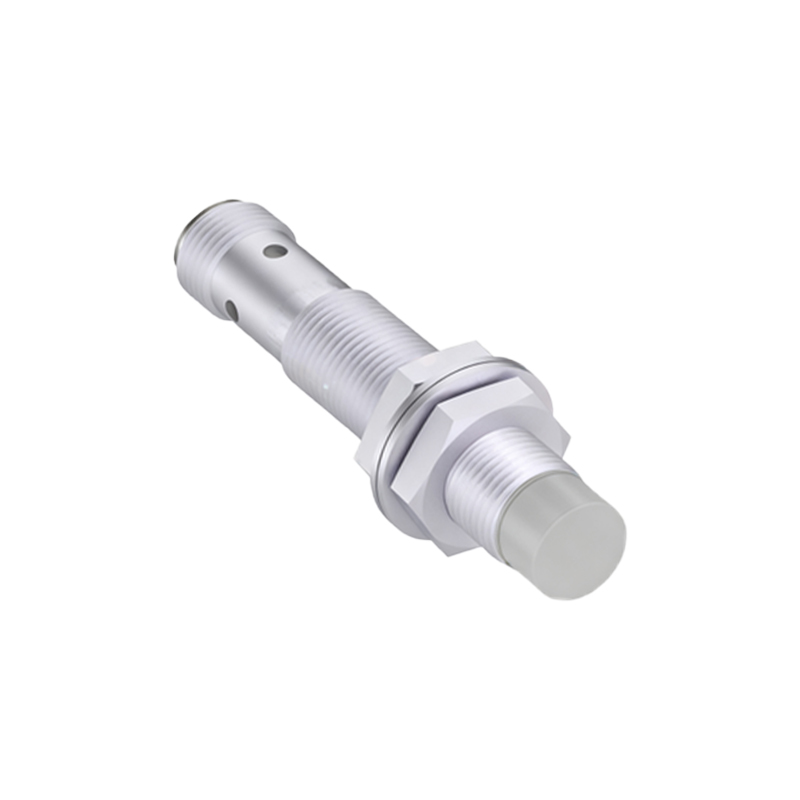
Proximity sensors are indispensable components in modern industrial automation, providing non-contact detection of objects within their sensing range. These devices are engineered to detect the presence or absence of metallic or non-metallic targets without physical contact, thereby eliminating mechanical wear and enabling high-speed, reliable operations. The fundamental principle involves generating an electromagnetic field or beam; when a target enters this field, it causes a change in oscillation amplitude or capacitance, which is then converted into an electrical signal output.
There are several primary types of proximity sensors, each suited to specific applications. Inductive proximity sensors are the most common, designed to detect ferrous and non-ferrous metals. They operate by generating an electromagnetic field and are ideal for harsh industrial environments due to their robustness and resistance to contaminants like dust, oil, and coolant. Capacitive proximity sensors, on the other hand, can detect both metallic and non-metallic materials, including liquids, powders, and plastics, by measuring changes in capacitance. They are often used in level detection, material handling, and packaging industries. Ultrasonic proximity sensors utilize sound waves to detect objects, making them suitable for applications requiring longer sensing distances or detection of transparent or irregularly shaped items. Finally, photoelectric sensors employ light beams (infrared, visible, or laser) for detection, offering high precision and versatility in diverse settings, from conveyor systems to automated assembly lines.
The selection of an appropriate proximity sensor depends on multiple factors. Key considerations include the sensing distance, which must accommodate the application's physical layout without false triggers. Environmental conditions such as temperature extremes, humidity, and exposure to chemicals or vibrations also dictate the sensor's housing material and ingress protection (IP) rating. Output configuration—whether NPN (sinking) or PNP (sourcing)—must align with the control system's requirements. Additionally, response time is critical in high-speed processes; sensors with faster switching frequencies ensure seamless integration into rapid-cycle machinery.
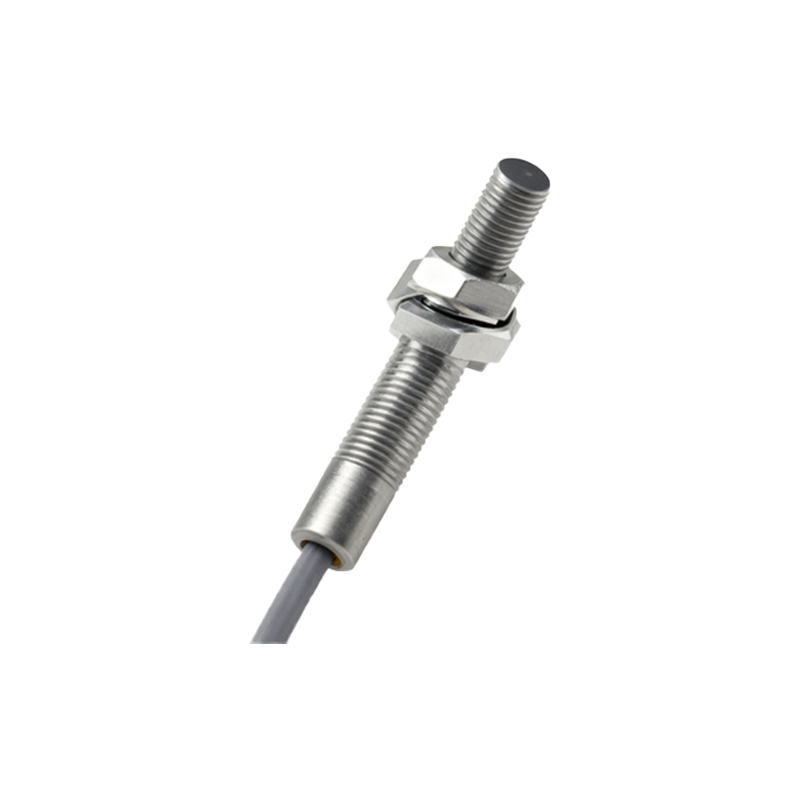
Installation and maintenance practices significantly impact sensor performance and longevity. Proper mounting, alignment, and shielding from electrical noise are essential to prevent interference. Regular calibration and cleaning of sensing faces help maintain accuracy, especially in dirty or dusty environments. Many modern sensors feature built-in diagnostics, such as LED indicators for status monitoring, which simplify troubleshooting and reduce downtime.
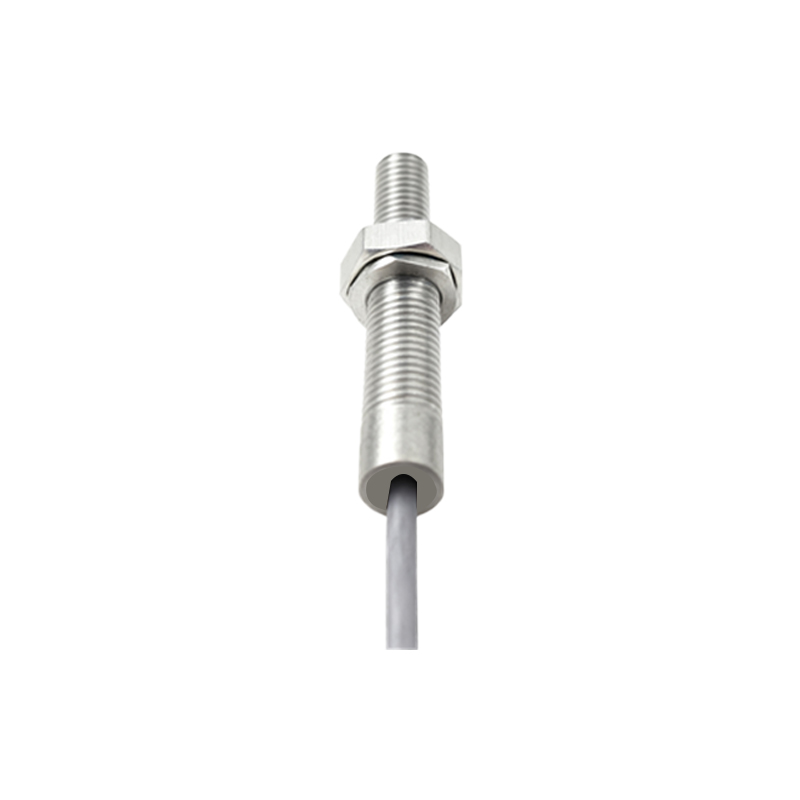
Advancements in proximity sensor technology continue to enhance their capabilities. Innovations include miniaturization for space-constrained applications, increased sensing ranges, and improved resistance to electromagnetic interference (EMI). The integration of smart features, such as IO-Link communication, enables real-time data exchange, predictive maintenance, and remote configuration, aligning with Industry 4.0 initiatives. These developments not only boost efficiency but also contribute to safer and more flexible manufacturing processes.
In summary, proximity sensors are vital for achieving precision, reliability, and efficiency in automation. By understanding their types, selection criteria, and best practices for use, engineers can optimize system performance and drive innovation across industries ranging from automotive manufacturing to food processing. As technology evolves, these sensors will undoubtedly play an even greater role in shaping the future of industrial automation.