Laser distance sensors have become indispensable tools in modern industrial automation, measurement, and control systems. Among the prominent manufacturers, Lihai has established a reputation for producing reliable and precise laser distance sensors. This article delves into the technology behind Lihai laser distance sensors, their diverse applications, and key considerations for selection and integration.
The core operating principle of Lihai laser distance sensors is based on the time-of-flight (ToF) or phase-shift measurement method. In the ToF method, the sensor emits a short pulse of laser light towards a target. The light reflects off the target and returns to the sensor's receiver. An internal high-speed clock measures the elapsed time between emission and reception. Since the speed of light is a known constant, the distance to the target is calculated with high accuracy using the formula: Distance = (Speed of Light × Time of Flight) / 2. Phase-shift models, on the other hand, emit a continuous modulated laser beam. The distance is determined by measuring the phase difference between the emitted and reflected modulated signals. This method often provides higher precision for shorter ranges. Lihai sensors are engineered to minimize errors from ambient light, surface color, or texture variations, ensuring stable readings.
Key technical specifications define the performance envelope of these sensors. Measurement range is a primary factor, with Lihai offering models from short-range (a few centimeters) for precise positioning to long-range (over 100 meters) for large-scale monitoring. Accuracy and resolution are critical; typical Lihai sensors achieve sub-millimeter accuracy, which is vital for quality control in manufacturing. The response time, or measurement speed, determines how quickly the sensor can update distance data, essential for dynamic processes or high-speed production lines. Furthermore, the laser class (usually Class 2 or Class 1M, which are eye-safe under normal operating conditions), output interfaces (analog 4-20mA/0-10V, digital RS-232/RS-485, Ethernet, or industrial fieldbus protocols), and environmental ratings (IP67 for dust and water ingress protection) are crucial for industrial deployment.
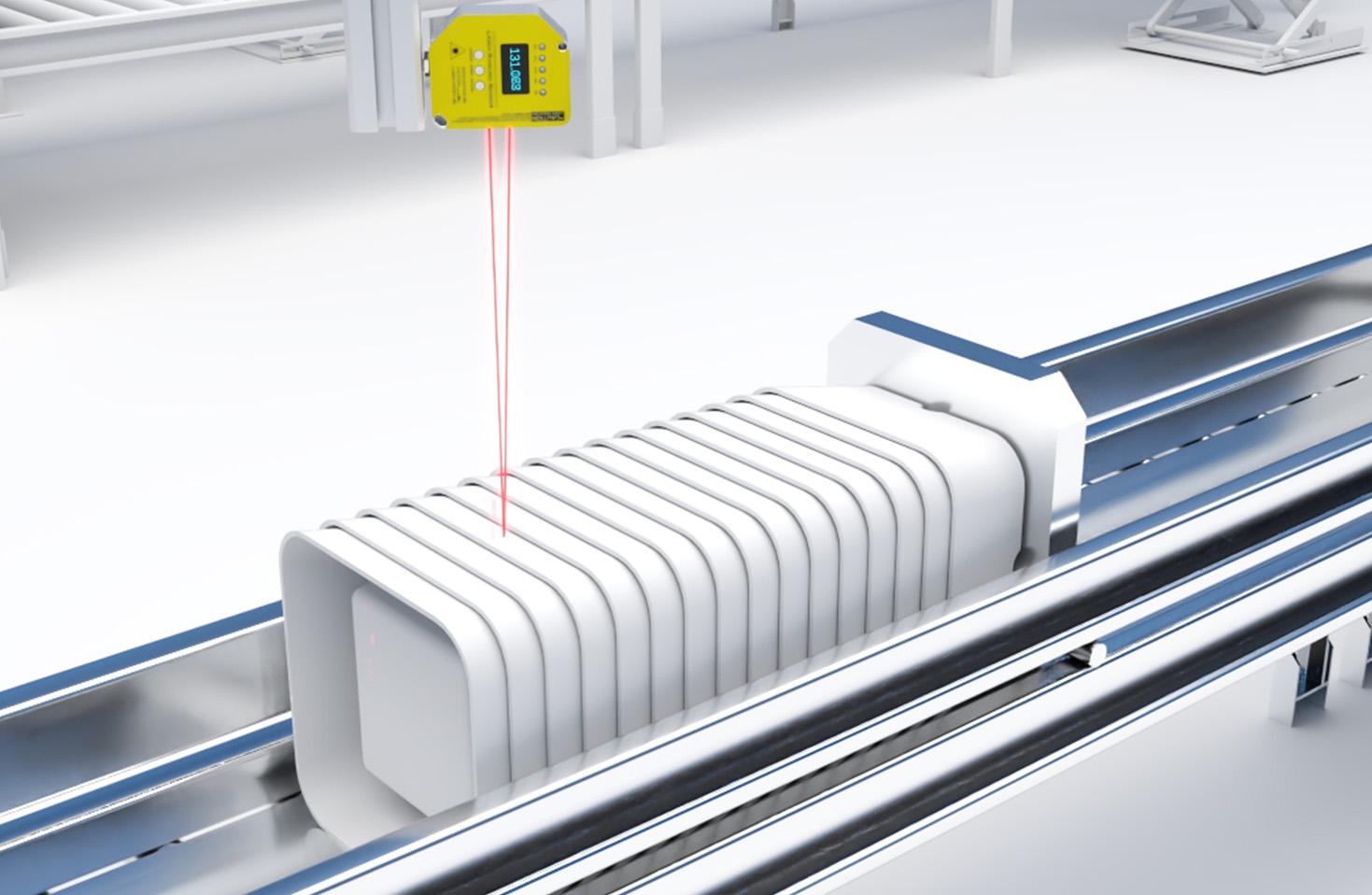
The application spectrum for Lihai laser distance sensors is remarkably broad. In industrial automation, they are pivotal for object detection, positioning robotic arms, monitoring material levels in silos or on conveyor belts, and measuring dimensions of products for quality assurance. In the construction and surveying sectors, these sensors facilitate distance measurement, area calculation, and volume estimation with portability and speed. They are also integrated into vehicle-mounted systems for obstacle detection, into logistics for warehouse management and palletizing, and into agricultural machinery for guidance and control. Their non-contact nature makes them ideal for measuring delicate, hot, or moving objects where physical contact is impossible or undesirable.
Selecting the right Lihai laser distance sensor requires a systematic evaluation of the application requirements. First, clearly define the required measurement range and the desired accuracy. It is advisable to choose a sensor with a range slightly longer than the maximum expected distance. Second, consider the target properties. Highly reflective or dark, absorbent surfaces can challenge some sensors; Lihai models often feature automatic exposure control or advanced algorithms to compensate. Third, assess the environmental conditions: temperature extremes, humidity, dust, vibration, and potential exposure to chemicals. The sensor's housing and IP rating must be suitable. Fourth, determine the necessary output signal and communication protocol to ensure seamless integration with existing PLCs, HMIs, or data acquisition systems. Finally, factor in installation constraints, such as available space and mounting options.
Installation and maintenance are straightforward but vital for optimal performance. The sensor should be mounted securely to minimize vibration. Ensuring the laser beam is perpendicular to the target surface typically yields the most accurate result. Regular cleaning of the lens is recommended to prevent dust accumulation from attenuating the signal. While Lihai sensors are built for durability, operating them within specified temperature and humidity ranges prolongs their service life. Most models feature status indicators or diagnostic outputs for easy troubleshooting.
In conclusion, Lihai laser distance sensors represent a fusion of precise optical engineering and robust industrial design. Their ability to deliver fast, accurate, and reliable distance measurements non-contact makes them a cornerstone technology across numerous industries. By carefully matching the sensor's specifications to the specific application demands—considering range, accuracy, environment, and integration needs—engineers and system integrators can leverage these tools to enhance automation, improve quality, and increase operational efficiency. As Industry 4.0 and smart manufacturing evolve, the role of precise measurement devices like those from Lihai will only grow in significance.
