In the realm of industrial automation and control systems, proximity sensors stand as indispensable components, silently orchestrating the precision and safety of countless operations. These non-contact detection devices are engineered to identify the presence or absence of an object within a defined sensing range without any physical contact. Their role transcends mere detection; they are fundamental to enabling automation, enhancing efficiency, ensuring safety, and facilitating sophisticated process control.
The core function of a proximity sensor is to detect a target object and convert this detection into an electrical signal. This signal is then processed by a control system, such as a Programmable Logic Controller (PLC), to trigger a specific action. Common actions include initiating a machine cycle, counting parts on a conveyor, confirming the position of a robotic arm, or activating a safety interlock. By eliminating the need for mechanical contact, these sensors prevent wear and tear, reduce maintenance demands, and offer high reliability and long operational life, even in harsh industrial environments characterized by dust, moisture, or extreme temperatures.
Several primary types of proximity sensors are deployed based on different physical principles, each suited to specific applications. Inductive proximity sensors are among the most common. They generate an electromagnetic field and detect the eddy currents induced in metallic targets. Consequently, they are ideal for detecting metals, such as steel, aluminum, or copper, and are widely used in machine tools, automotive assembly lines, and metal fabrication. Capacitive proximity sensors, on the other hand, can detect both metallic and non-metallic materials—liquids, plastics, wood, or granules—by sensing changes in capacitance caused by the target's dielectric constant. This makes them perfect for level detection in tanks, material handling, and packaging of non-metallic products.
Ultrasonic proximity sensors operate by emitting high-frequency sound waves and measuring the time taken for the echo to return from a target. They are effective for detecting objects of virtually any material, over longer distances, and are commonly used in distance measurement, liquid level control, and object profiling in challenging conditions. Photoelectric sensors, while sometimes categorized separately, function on a proximity principle by using a light beam (visible, infrared, or laser). The detection occurs when the target interrupts or reflects the beam. They offer very long sensing ranges and are excellent for detecting small objects, transparent materials, or for precise positioning.
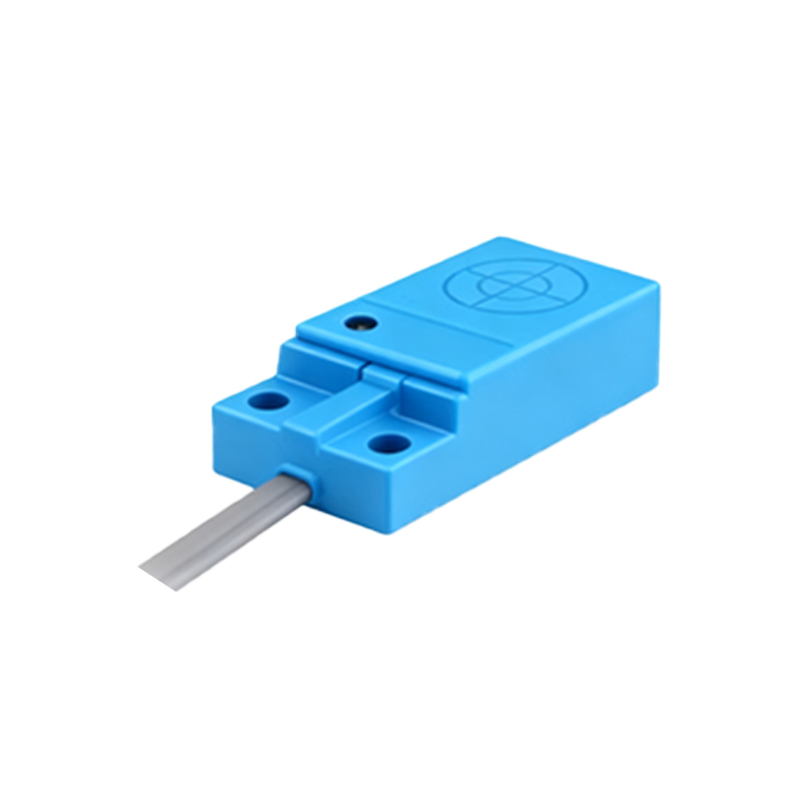
The applications of proximity sensors are vast and integral to modern industry. In automated manufacturing, they provide precise position feedback for robotic arms, ensure correct part placement, and monitor production counts. On assembly lines, they verify the presence of components before a critical operation, preventing defects. In material handling and packaging, sensors control the flow of goods, manage palletizing, and detect jams. Perhaps most critically, they are pillars of machine safety, forming part of safety light curtains and area guarding systems to protect personnel by halting machinery when an intrusion is detected.
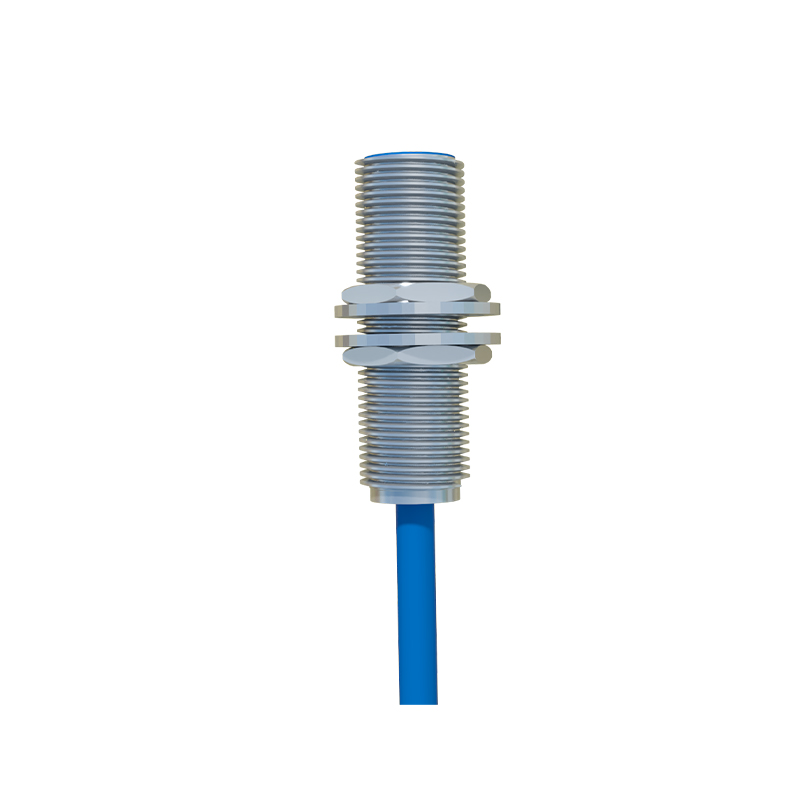
Furthermore, the integration of proximity sensors with Industrial Internet of Things (IIoT) platforms is a growing trend. Smart sensors with digital communication protocols (like IO-Link) provide not just binary detection signals but also diagnostic data—such as operating temperature, signal strength, or wear indicators—enabling predictive maintenance and deeper process insights. This connectivity transforms them from simple switches into intelligent nodes within a networked industrial ecosystem.
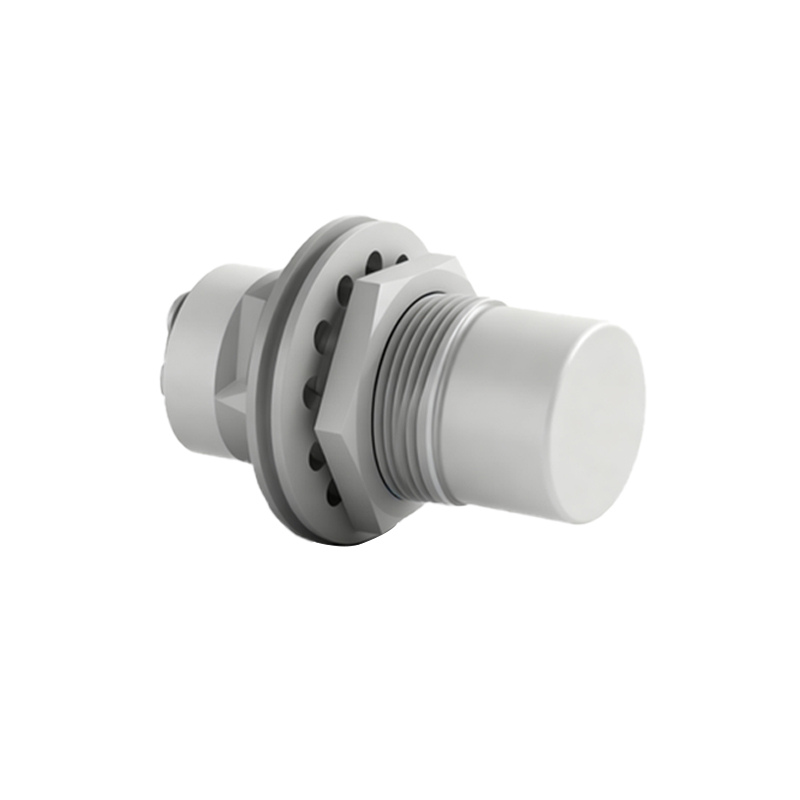
Selecting the appropriate proximity sensor requires careful consideration of several factors: the material of the target object, the required sensing distance, the environmental conditions (temperature, contaminants), the required output type (NPN/PNP, analog, digital), and the mounting constraints. An inductive sensor is useless for detecting plastic bottles, just as an ultrasonic sensor may be overkill for simple metal part detection at close range. Proper selection, installation, and shielding are crucial to avoid interference and ensure reliable operation.
In conclusion, proximity sensors are the silent sentinels of automation. Their ability to provide reliable, non-contact detection forms the backbone of modern industrial control logic. From ensuring the smooth flow of a bottling plant to guaranteeing the millisecond precision of a CNC machine or safeguarding human workers, their function is critical. As industries advance towards greater connectivity and intelligence, the evolution of proximity sensing technology will continue to be a key driver in achieving higher levels of efficiency, quality, and safety in automated systems worldwide.