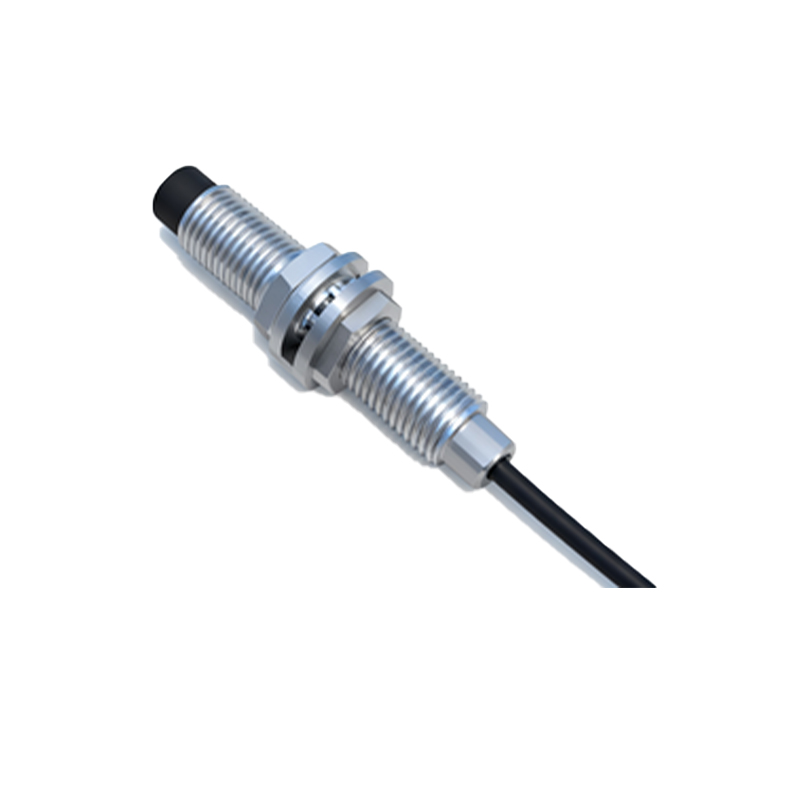
In the rapidly evolving landscape of industrial automation, proximity sensor manufacturers stand as pivotal enablers of efficiency, safety, and precision. These specialized devices, which detect the presence or absence of objects without physical contact, have become indispensable across sectors ranging from automotive manufacturing and packaging to robotics and consumer electronics. The leading enterprises in this domain are distinguished not merely by their production volumes but by their relentless pursuit of technological advancement, stringent quality standards, and deep application expertise.
The core technology behind proximity sensors—encompassing inductive, capacitive, ultrasonic, and photoelectric principles—has undergone significant refinement. Top-tier companies invest substantially in R&D to enhance sensing ranges, improve immunity to environmental interference (such as dust, oil, or electromagnetic noise), and miniaturize designs without compromising performance. For instance, the development of high-frequency oscillatory circuits in inductive sensors allows for the detection of even non-ferrous metals, while advanced capacitive sensors can reliably sense liquids or granular materials through non-metallic containers. This innovation is driven by the increasing demand for smart factory solutions, where sensors must integrate seamlessly with Industrial Internet of Things (IIoT) platforms, providing real-time data for predictive maintenance and process optimization.
Market leaders also differentiate themselves through robust global supply chains and comprehensive technical support. They maintain extensive product portfolios that cater to diverse requirements: standard cylindrical housings for general-purpose applications, rectangular designs for space-constrained installations, and ruggedized variants capable of withstanding extreme temperatures, high pressures, or corrosive environments. Furthermore, these enterprises often provide sophisticated configuration tools and simulation software, enabling engineers to select and integrate the optimal sensor model with minimal trial-and-error. Compliance with international standards (e.g., IEC, UL, ATEX for hazardous areas) is a baseline expectation, underscoring a commitment to reliability and safety.
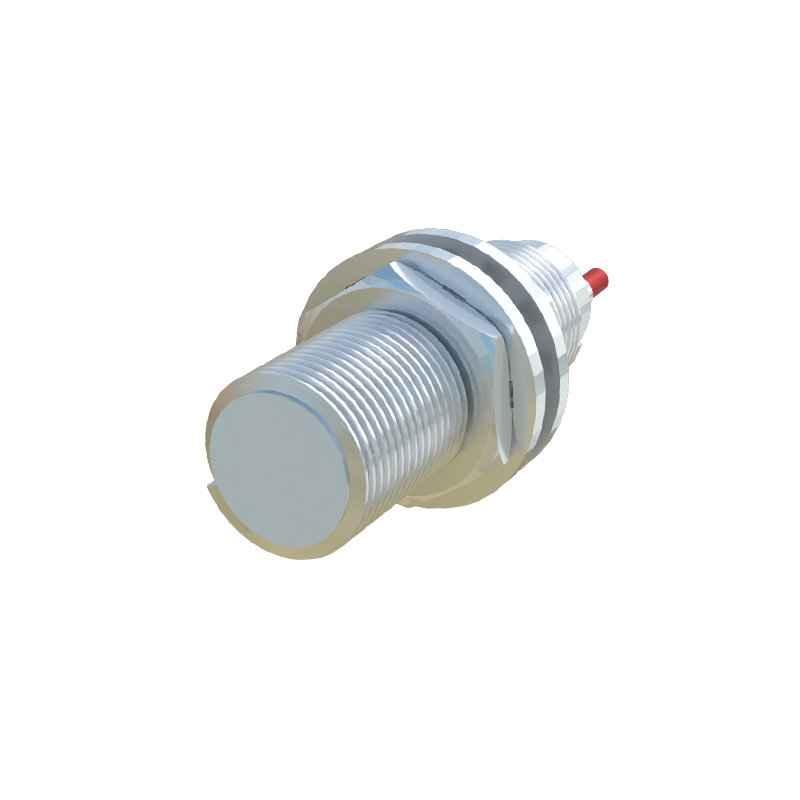
The application breadth of proximity sensors continues to expand. In automotive assembly lines, they ensure precise positioning of components; in food and beverage processing, they monitor fill levels without contaminating products; in automated guided vehicles (AGVs), they facilitate obstacle detection and navigation. The trend toward Industry 4.0 amplifies the need for sensors with digital outputs (IO-Link, for example), which not only transmit switch signals but also communicate parametric data like temperature, operating hours, or signal strength. This diagnostic capability reduces downtime and enhances overall equipment effectiveness (OEE).
Looking ahead, the competitive edge for proximity sensor manufacturers will hinge on sustainability and adaptability. Energy-efficient designs that lower overall system power consumption, the use of recyclable materials, and sensors compatible with circular economy principles are gaining traction. Simultaneously, the rise of collaborative robotics and flexible production lines demands sensors that are easily reprogrammable and capable of handling high-mix, low-volume manufacturing. Companies that anticipate these shifts and collaborate closely with end-users to develop tailored solutions will likely dominate the market.
In conclusion, the prominence of a proximity sensor enterprise is measured by its technological ingenuity, application-driven design, and ability to support customers through complex automation challenges. As industries worldwide accelerate their digital transformation, these components will remain at the heart of intelligent, responsive, and efficient operational systems.