In the rapidly evolving landscape of industrial automation, precision, reliability, and efficiency are non-negotiable. Traditional laser sensors, while powerful, often present a significant hurdle: the need for meticulous, time-consuming calibration and tuning during installation and maintenance. This process demands skilled technicians, halts production lines, and introduces potential for human error, ultimately impacting overall equipment effectiveness (OEE). Enter the next-generation solution: no-tuning laser sensors. These advanced devices are fundamentally changing the paradigm by offering plug-and-play functionality without sacrificing performance.
The core innovation of no-tuning laser sensors lies in their integrated intelligent processing and adaptive algorithms. Unlike conventional models that require manual adjustment of thresholds, sensitivity, and beam alignment for different surfaces or environmental conditions, these smart sensors self-optimize. Upon power-up, they automatically perform an internal scan and analysis of the target application. Using advanced embedded software, they adjust parameters in real-time to compensate for variables such as target color, reflectivity, surface texture, ambient light interference, and even minor contamination on the lens. This is achieved through technologies like background suppression, precise time-of-flight measurement, or triangulation methods enhanced with AI-driven logic. The result is consistent, accurate detection right out of the box.
The benefits for manufacturing and logistics are substantial. First and foremost is the drastic reduction in installation and setup time. What used to take hours can now be accomplished in minutes. This accelerates machine commissioning and line changeovers, directly boosting operational flexibility. Secondly, it democratizes the use of sophisticated sensing. Operators without deep photoelectric expertise can confidently deploy these sensors, reducing dependency on specialized engineering staff. Maintenance is also simplified; if a sensor is replaced, the new unit automatically adapts, minimizing downtime. Furthermore, the inherent stability of these sensors leads to fewer false triggers and missed detections, enhancing process reliability and product quality.
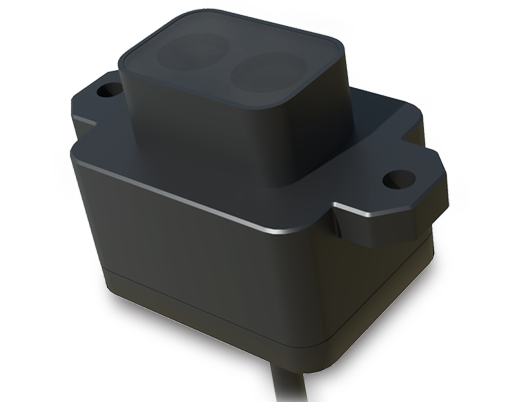
Application areas are vast. In packaging machinery, no-tuning laser sensors reliably detect transparent films, shiny metallic wrappers, or dark-colored containers on high-speed lines. In automotive assembly, they ensure precise part presence verification and gap measurement on components with varying finishes. Robotic guidance systems utilize them for accurate positioning without manual teaching for every new part batch. In material handling, they excel at detecting transparent glass bottles or monitoring fill levels in opaque bins. Even in challenging environments with dust or vibration, their self-adaptive nature maintains robust performance.
When selecting a no-tuning laser sensor, key specifications remain critical. Consider the sensing range, spot size, response time, and housing robustness (typically IP67 or higher for industrial use). Communication interfaces like IO-Link are a valuable addition, providing digital parameter access and diagnostic data for Industry 4.0 connectivity, even though manual tuning is not required. This allows for remote monitoring of sensor health and performance trends, facilitating predictive maintenance.
In conclusion, no-tuning laser sensors represent a significant leap toward truly autonomous and resilient industrial systems. By eliminating the complexity of calibration, they reduce costs, enhance productivity, and improve system uptime. As factories strive for greater agility and smarter operations, the adoption of these intelligent, self-configuring sensors is not just an advantage—it is becoming a necessity for maintaining a competitive edge. The future of industrial sensing is here, and it requires no tuning.