In the global electrical and industrial automation sectors, proximity switch sensors are indispensable components for non-contact detection, widely used in machinery, automotive assembly lines, robotics, and safety systems. For engineers, procurement specialists, and traders, accurately classifying these sensors under the Harmonized System (HS) Code is crucial for smooth international logistics, compliance, and cost management.
The Harmonized System (HS) is an internationally standardized nomenclature for product classification, administered by the World Customs Organization (WCO). It assigns a six-digit code to products, with individual countries often adding further digits for more specific national tariffs. Proximity switch sensors generally fall under the category of electrical machinery and equipment.
Typically, proximity sensors are classified under HS Code 8536, which covers "Electrical apparatus for switching or protecting electrical circuits, or for making connections to or in electrical circuits." More specifically, they often align with 8536.50, pertaining to "Other switches." However, the precise subheading can vary based on sensor technology, design, and application. For instance, inductive proximity switches (detecting metallic objects) and capacitive proximity switches (detecting both metallic and non-metallic materials) may share the same broad code but could have different national subdivisions. Photoelectric sensors, while functionally similar for proximity detection, might sometimes be classified under 8543.70 for "Other electrical machines and apparatus having individual functions," if their primary function is described as optical sensing rather than basic circuit switching.
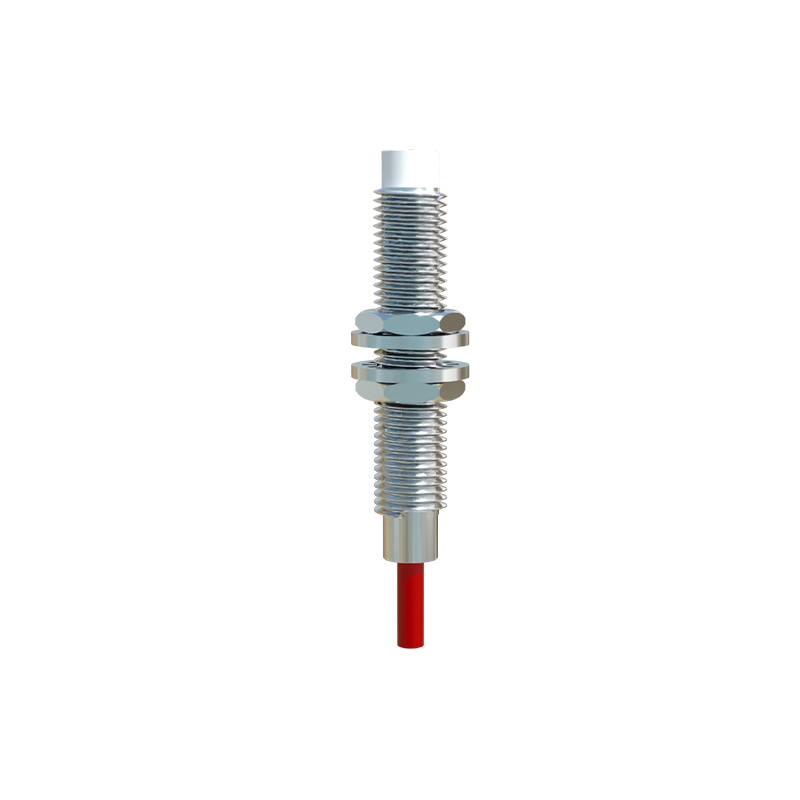
Key factors influencing HS code determination include the sensor's operating principle, voltage rating, primary function (e.g., switching, sensing, positioning), and whether it is part of a larger apparatus or sold separately. Engineers must provide detailed technical specifications in shipping documents: type (inductive/capacitive/ultrasonic), output configuration (NPN/PNP, NO/NC), housing material, connection type, and intended use. Misclassification can lead to customs delays, incorrect duty payments, or penalties.
For example, a standard 12-24V DC inductive proximity switch with a PNP normally-open output, used for machine tool position detection, would typically be declared under 8536.50.90 in many customs territories, where the final digits denote "Other" switches. In contrast, a sophisticated ultrasonic proximity sensor integrated into a safety system might be reviewed under 9031.80 for "Measuring or checking instruments," depending on its precision and certification.
Best practices for industry professionals include:
1. Consult the latest customs tariff database of the importing country, as HS codes are updated periodically.
2. Collaborate with customs brokers or freight forwarders who have expertise in electrical components.
3. Maintain comprehensive product documentation, including datasheets and manuals, to justify classification.
4. Use standardized product descriptions in commercial invoices, avoiding vague terms like "sensor" alone; instead, specify "inductive proximity switch for industrial automation."
Understanding HS codes also aids in leveraging trade agreements. Many countries offer reduced or zero tariffs for electrical components under specific codes, provided rules of origin are met. For instance, proximity switches manufactured within a free trade agreement region may qualify for preferential duties, enhancing cost efficiency in supply chains.
In summary, while proximity switch sensors are technically straightforward for engineers, their customs classification requires careful attention. Accurate HS coding ensures regulatory compliance, minimizes logistical hurdles, and optimizes total landed cost—a critical consideration in competitive global projects. Always verify codes with local authorities before shipment, as interpretations can vary by jurisdiction.