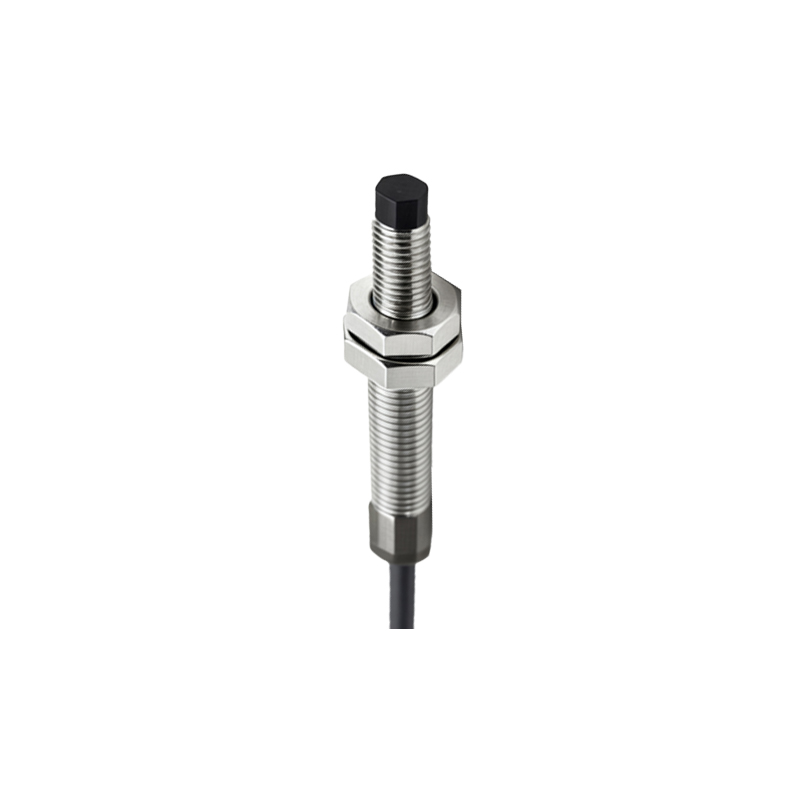
For engineers, procurement specialists, and system integrators in the industrial automation sector, understanding the cost of magnetic proximity sensors is a critical component of project budgeting and component selection. Unlike a simple commodity with a fixed price tag, the market for these robust and reliable non-contact switches is nuanced, with prices influenced by a complex interplay of technical specifications, brand reputation, and application requirements. This guide delves into the key factors determining magnetic proximity sensor pricing and provides a realistic overview of current market ranges to inform your purchasing decisions.
The primary determinant of price is the sensor's technology and performance characteristics. Standard tubular inductive sensors with a magnet as the actuator are generally the most economical entry point. Prices escalate for sensors with enhanced features such as extended sensing ranges, which require more precise coil and magnet design. Similarly, sensors rated for extreme environments—featuring stainless steel housings, higher IP (Ingress Protection) ratings (e.g., IP67, IP69K), and ability to withstand wider temperature ranges (-40°C to 85°C+), chemical exposure, or severe shock/vibration—command a premium. Output type also affects cost; basic two-wire AC/DC or NPN/PNP transistor outputs are standard, while models with analog outputs (4-20mA, 0-10V), IO-Link digital communication, or short-circuit and overload protection circuits are more sophisticated and costly.
Brand positioning plays a significant role. Established global manufacturers like Siemens, Pepperl+Fuchs, Balluff, Omron, and ifm electronic often price their sensors higher, reflecting decades of R&D, proven reliability, global supply chain stability, and comprehensive technical support. These brands are frequently specified in large-scale OEM machinery or critical infrastructure where failure is not an option. In contrast, many reputable automation component suppliers and generic manufacturers offer functionally equivalent sensors at a lower price point, providing excellent value for standard applications without the need for brand-specific ecosystem integration.
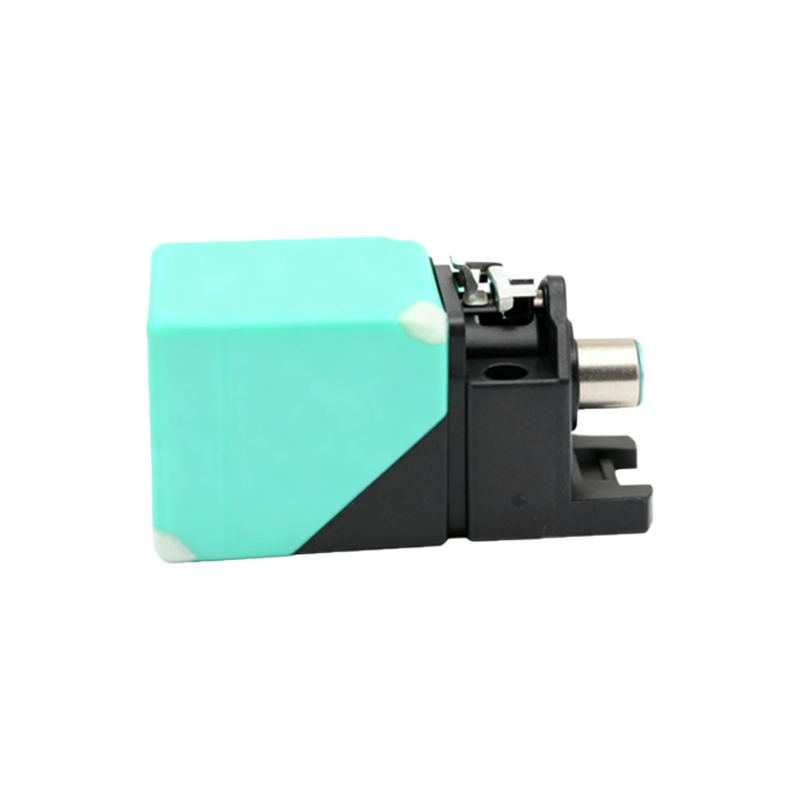
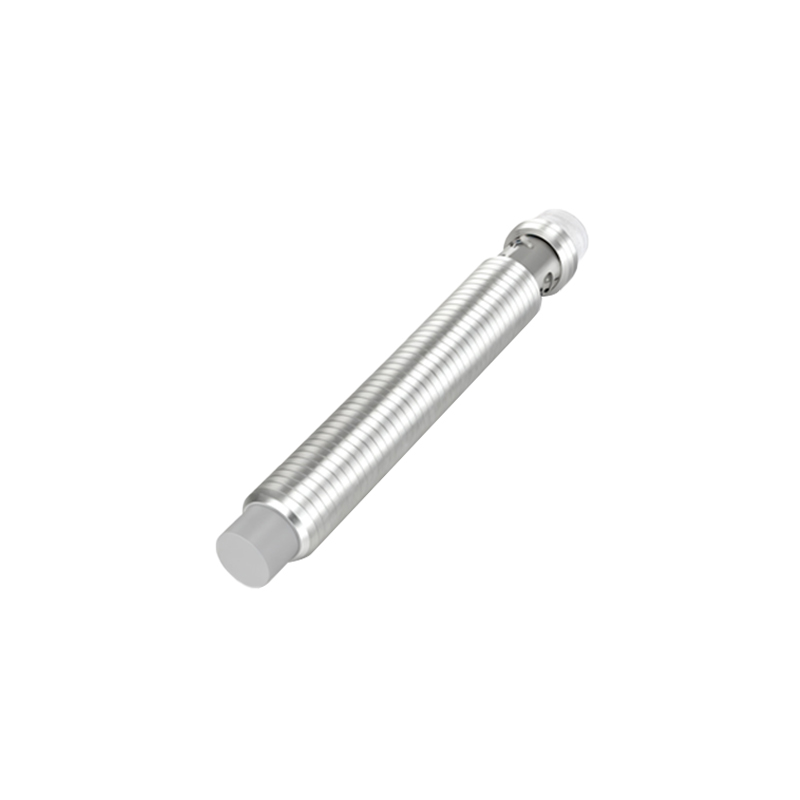
Form factor and mounting style influence cost. Common M8, M12, M18, and M30 threaded cylindrical sensors are mass-produced and competitively priced. Specialized form factors like rectangular block sensors, limit switch-style housings, or sensors designed for specific mounting challenges (e.g., low-profile or ring-shaped) involve lower production volumes and more complex manufacturing, leading to higher unit costs. Packaging is another factor; sensors with built-in LED status indicators, robust cabling, or quick-disconnect connectors add convenience and cost.
Purchasing volume is a universal price lever. OEMs integrating sensors into thousands of machines can negotiate substantial discounts with manufacturers or distributors. For MRO (Maintenance, Repair, and Operations) buyers or small-scale projects, purchasing through distributors at list price or in small bundles is the norm, resulting in a higher per-unit cost.
As of the current market, price ranges can be broadly categorized. For a standard, unshielded (non-flush mountable) tubular magnetic proximity sensor with a basic switching function and a sensing range of up to 15mm, prices can start as low as $15 to $30 USD per unit for generic or value-brand models. Mid-range sensors from established industrial brands with improved environmental ratings, shielded designs (flush mountable), and standard connector options typically fall in the range of $40 to $80 USD. High-performance sensors with extended range (30mm+), full stainless steel construction, advanced diagnostics like IO-Link, and approvals for hazardous areas (ATEX, IECEx) can easily range from $100 to $250 USD or more.
When selecting a sensor, the total cost of ownership (TCO) must be considered, not just the initial purchase price. A slightly more expensive sensor from a reliable brand with a longer mean time between failures (MTBF) can prevent costly machine downtime, production losses, and replacement labor. Always cross-reference the sensor's specifications—sensing distance, switching frequency, voltage range, housing material, and temperature rating—against your application's actual demands. Avoid over-specifying, as paying for unneeded features inflates budget, but never compromise on critical requirements like environmental sealing.
In conclusion, while the price of a magnetic proximity sensor is a straightforward figure on an invoice, it is the culmination of engineering choices, brand value, and market dynamics. By thoroughly analyzing your technical requirements and evaluating the TCO, you can make an informed decision that balances performance, reliability, and cost-effectiveness for your specific industrial application.