In the realm of automation and smart technology, proximity sensors are the silent, unseen workhorses. These devices detect the presence or absence of an object within a specific range without any physical contact. Their ability to perform reliably in harsh environments, provide fast response times, and offer long operational life has made them indispensable across countless industries. From the smartphone in your pocket to massive industrial assembly lines, proximity sensors enable functionality, safety, and efficiency.
At their core, proximity sensors operate by emitting a field or beam of electromagnetic radiation, such as infrared light, or by using an electromagnetic field. When an object enters this field, it causes a change in the signal. The sensor's circuitry detects this change and triggers an output signal, typically an electrical switch. This fundamental principle allows for non-contact detection, which eliminates mechanical wear and tear and allows for sensing objects where contact is impossible or undesirable.
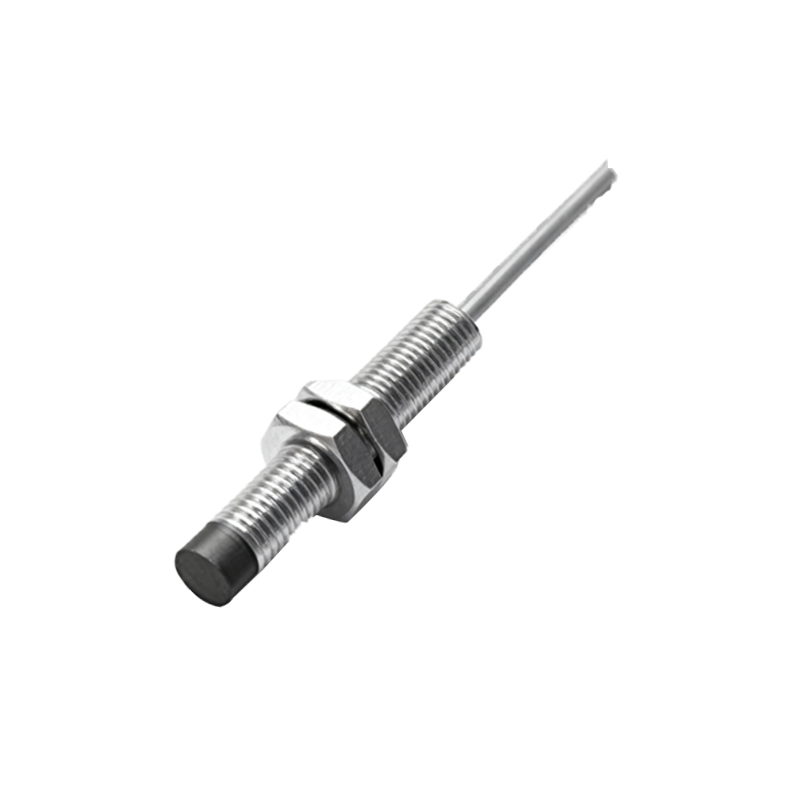
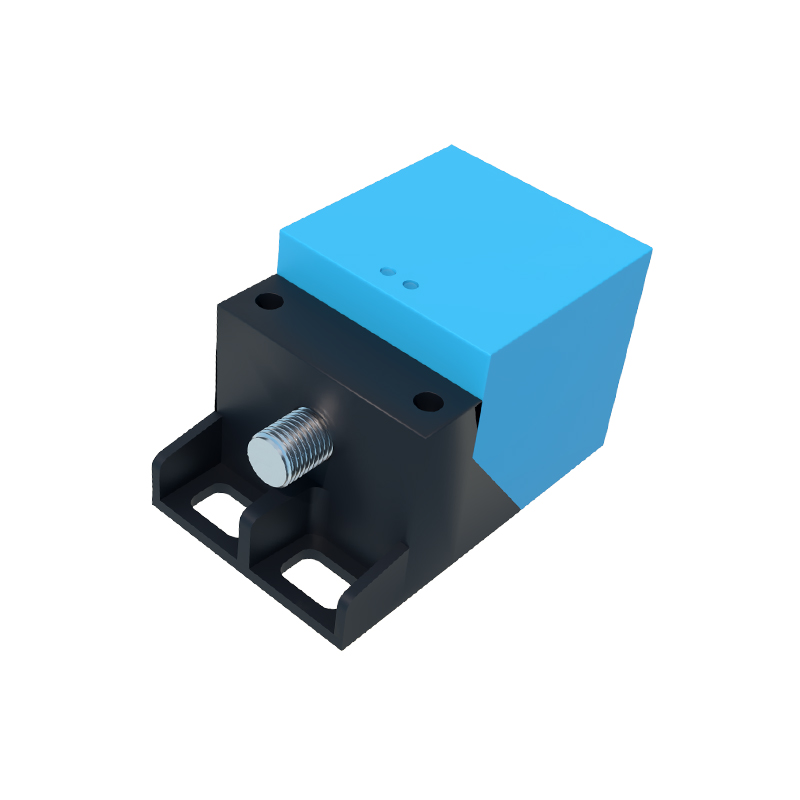
Several primary types of proximity sensors dominate the market, each with distinct operating principles and ideal use cases. Inductive proximity sensors are perhaps the most common in industrial settings. They generate an oscillating electromagnetic field and detect the eddy current losses caused when a metallic object enters the field. They are exceptionally robust, resistant to dirt and moisture, and excel at detecting metals, especially ferrous metals like steel. However, they cannot detect non-metallic objects.
Capacitive proximity sensors, on the other hand, can detect both metallic and non-metallic materials, including liquids, powders, plastics, and wood. They function by generating an electrostatic field. Any object with a dielectric constant different from air will alter the capacitance of the sensing field, triggering detection. This makes them versatile for applications like liquid level detection, material handling, and presence sensing of packaging materials.
Photoelectric sensors use light, typically infrared or laser, to detect objects. They consist of a light emitter and a receiver. There are three main configurations: through-beam (where the object breaks a beam between separate emitter and receiver units), retro-reflective (where the object breaks a beam reflected back from a reflector), and diffuse (where the sensor detects light reflected directly off the object). Photoelectric sensors offer long sensing ranges and can detect virtually any material, but they can be affected by environmental factors like dust, fog, or ambient light.
Ultrasonic proximity sensors operate similarly to sonar. They emit high-frequency sound waves and measure the time it takes for the echo to return after bouncing off an object. They are excellent for detecting objects regardless of color, transparency, or material, and are ideal for distance measurement, level sensing of bulk materials or liquids, and in challenging environments with dust or vapor. Their downside can be a slower response time compared to other types and potential interference from certain surface textures or angles.
The applications for these sensors are vast and varied. In consumer electronics, a capacitive or infrared proximity sensor in a smartphone turns off the display during a call to save power and prevent accidental screen touches. In automotive manufacturing, inductive sensors verify the presence of metal components like engine blocks or wheel nuts on assembly lines. In the food and beverage industry, capacitive sensors monitor fill levels in containers, while photoelectric sensors count bottles on a conveyor. In security systems, passive infrared (PIR) sensors detect human movement by sensing body heat. In warehouses, ultrasonic sensors guide autonomous mobile robots (AMRs) by mapping their surroundings.
Selecting the right proximity sensor requires careful consideration of several key factors. First, identify the target material: metal, plastic, liquid, etc. This will narrow the choice to inductive, capacitive, or other types. Next, consider the required sensing distance or range. Inductive sensors typically have shorter ranges than photoelectric or ultrasonic ones. The operating environment is critical; factors like temperature extremes, washdown conditions, presence of oils or coolants, and electrical noise can dictate the sensor's housing material and protection rating (IP or NEMA). The output type needed—digital (PNP/NPN), analog, or IO-Link for smart sensors—must match the control system's input. Finally, physical constraints like size, shape, and mounting style are practical considerations.
Modern advancements continue to push the boundaries of proximity sensing. Miniaturization allows sensors to fit into ever-smaller devices. Smart sensors with IO-Link communication provide not just a simple on/off signal but also diagnostic data, parameterization capabilities, and process values, enabling predictive maintenance and deeper integration into Industry 4.0 frameworks. Furthermore, sensors are becoming more resistant to interference and more precise in their detection capabilities.
In conclusion, proximity sensors are fundamental components that bridge the physical and digital worlds. Understanding the different technologies—inductive, capacitive, photoelectric, and ultrasonic—is the first step in leveraging their power. By matching the sensor's characteristics to the specific application's demands for target material, range, environment, and output, engineers and designers can