Magnetic proximity sensors, often referred to as magnetic proximity switches or reed switches, are fundamental components in modern industrial automation and control systems. Their primary function is to detect the presence or absence of a magnetic field, typically generated by a permanent magnet, without any physical contact. This non-contact sensing principle makes them exceptionally reliable, durable, and suitable for harsh environments where dust, moisture, oil, or vibration are prevalent.
The core operating principle is elegantly simple. The most common type utilizes a hermetically sealed reed switch. This switch consists of two ferromagnetic reeds (blades) enclosed in a glass tube filled with an inert gas. When an external magnetic field of sufficient strength is applied—for instance, from a moving magnet attached to a machine part—the reeds become magnetically attracted to each other, flex, and make contact, closing the electrical circuit. When the magnetic field is removed, the natural spring tension of the reeds causes them to separate, opening the circuit. This binary state (open/closed) provides a clear, discrete signal to a Programmable Logic Controller (PLC) or other control device.
Beyond the basic reed switch, solid-state Hall-effect sensors represent another major technology. These semiconductor devices produce a voltage variation (the Hall voltage) when exposed to a magnetic field. This analog or digital output can provide more information than a simple on/off signal, such as detecting the strength of the field or the polarity of the magnet. However, for straightforward presence detection, the reed-based magnetic proximity switch remains immensely popular due to its robustness, electrical isolation, and cost-effectiveness.
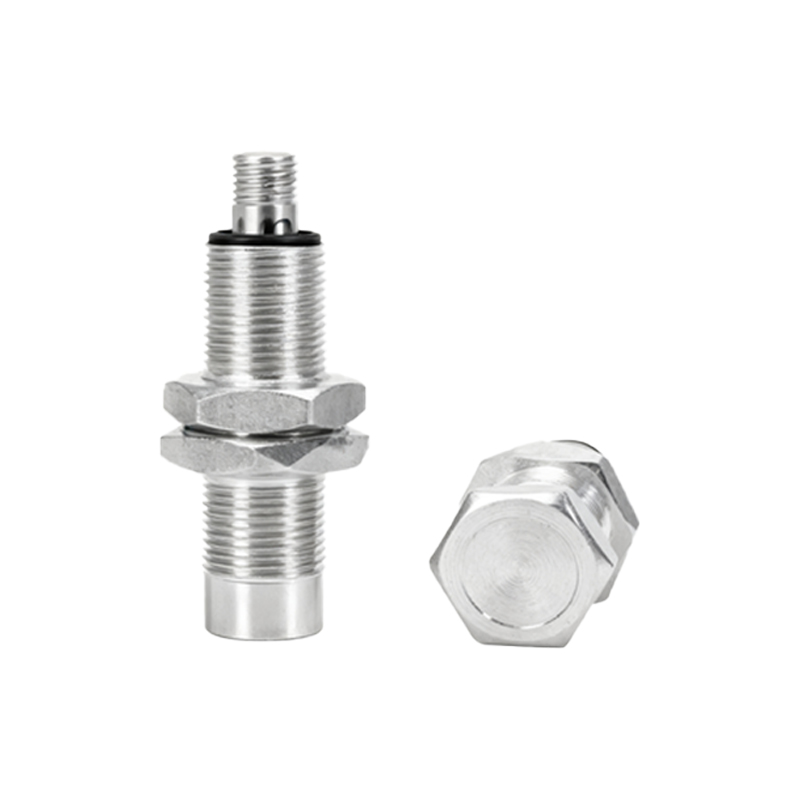
The applications for magnetic proximity sensors are vast and varied across industries. A quintessential example is in cylinder position sensing. A magnet is embedded in the piston of a pneumatic or hydraulic cylinder. As the piston moves, the magnet passes by a magnetic sensor mounted on the cylinder's body, signaling the end of the stroke (extended or retracted position). This feedback is critical for sequencing machine operations. They are also extensively used for:
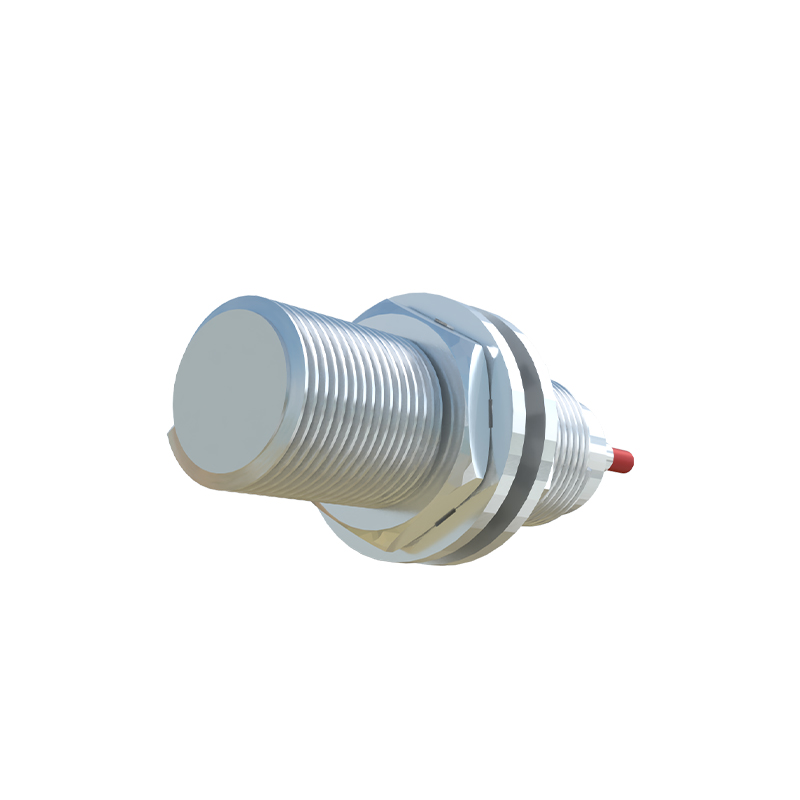
Door and Hatch Position Monitoring: Ensuring safety doors, guards, or access panels on machinery are securely closed before operation can commence.
Limit Switching: Defining the travel limits of moving parts on conveyors, lifts, or automated guided vehicles (AGVs).
Speed and RPM Sensing: By detecting the passing teeth of a gear or pulses from a rotating magnet, they can calculate rotational speed.
Liquid Level Detection: A float containing a magnet moves with the liquid level, activating a sensor at predetermined high or low points.
Object Counting: Detecting metallic or magnetized objects on a production line.
Selecting the right magnetic proximity sensor for an application requires careful consideration of several key parameters:
1. Sensing Distance: The maximum distance at which the sensor can reliably detect the target magnet. This is typically very short (a few millimeters to tens of millimeters) and is critically dependent on the magnet's strength, size, and orientation.
2. Switch Type: Normally Open (NO) or Normally Closed (NC) contacts, or a changeover (SPDT) configuration.
3. Electrical Characteristics: Operating voltage (e.g., 12-24V DC, 90-250V AC), current rating, and the type of output (e.g., 2-wire AC/DC, 3-wire NPN/PNP transistor, or solid-state).
4. Environmental Ratings: The Ingress Protection (IP) rating (e.g., IP67) for resistance to dust and water, and the temperature range for operation and storage.
5. Housing Material: Typically constructed from brass, stainless steel, or rugged plastics like PBT to withstand industrial conditions, including exposure to coolants and chemicals.
6. Mounting Style: Threaded barrels (e.g., M8, M12, M18), slot-mounted, or bracket-mounted options to suit the mechanical installation.
A significant advantage of magnetic sensors is their immunity to non-ferrous materials. They will not be falsely triggered by aluminum, plastic, wood, or liquids passing between the sensor and the magnet, unlike inductive proximity sensors which detect all metals. Their primary limitation is the requirement for a magnet on the target, which may not be feasible in all applications. Furthermore, strong external magnetic fields from motors or welding equipment can potentially interfere with operation, necessitating proper shielding or placement.
In conclusion, magnetic proximity switches are workhorses of industrial sensing. Their simplicity, contactless operation, and environmental resilience make them an indispensable solution for providing reliable position feedback in countless automated systems. By understanding their operating principles, key application areas, and selection criteria, engineers and technicians can effectively integrate these robust devices to enhance machine safety, precision, and operational efficiency.
SEO