Laser sensor thickness measurement represents a critical technology in modern industrial quality control and process monitoring. By utilizing the principles of laser triangulation or time-of-flight (ToF) techniques, these sensors provide non-contact, high-precision measurements of material thickness with exceptional speed and accuracy. In laser triangulation, a laser diode projects a focused beam onto the target surface. The reflected light is captured by a receiver at a known angle, and the displacement of the light spot on the receiver's sensor array is calculated to determine the distance to the surface. By employing two opposing sensors, the thickness of the material is derived from the difference in distances measured from both sides. This method is highly effective for continuous production lines, such as in metal rolling mills, plastic film extrusion, and glass manufacturing, where real-time thickness profiling is essential for maintaining product consistency and minimizing material waste.
Time-of-flight laser sensors, on the other hand, measure the round-trip time of a laser pulse to calculate distance. While often used for larger measurement ranges, advancements have enabled their application in specific thickness measurement scenarios, particularly for thicker materials or where sensor alignment constraints exist. The core advantage of laser-based systems lies in their non-contact nature, eliminating mechanical wear and avoiding surface damage on sensitive materials. Furthermore, they are largely immune to environmental factors like electromagnetic interference, which can plague other measurement techniques. Modern laser sensors integrate sophisticated algorithms for data processing, enabling them to compensate for material vibration, surface reflectivity variations, and ambient light conditions, thereby ensuring reliable measurements in harsh industrial environments.
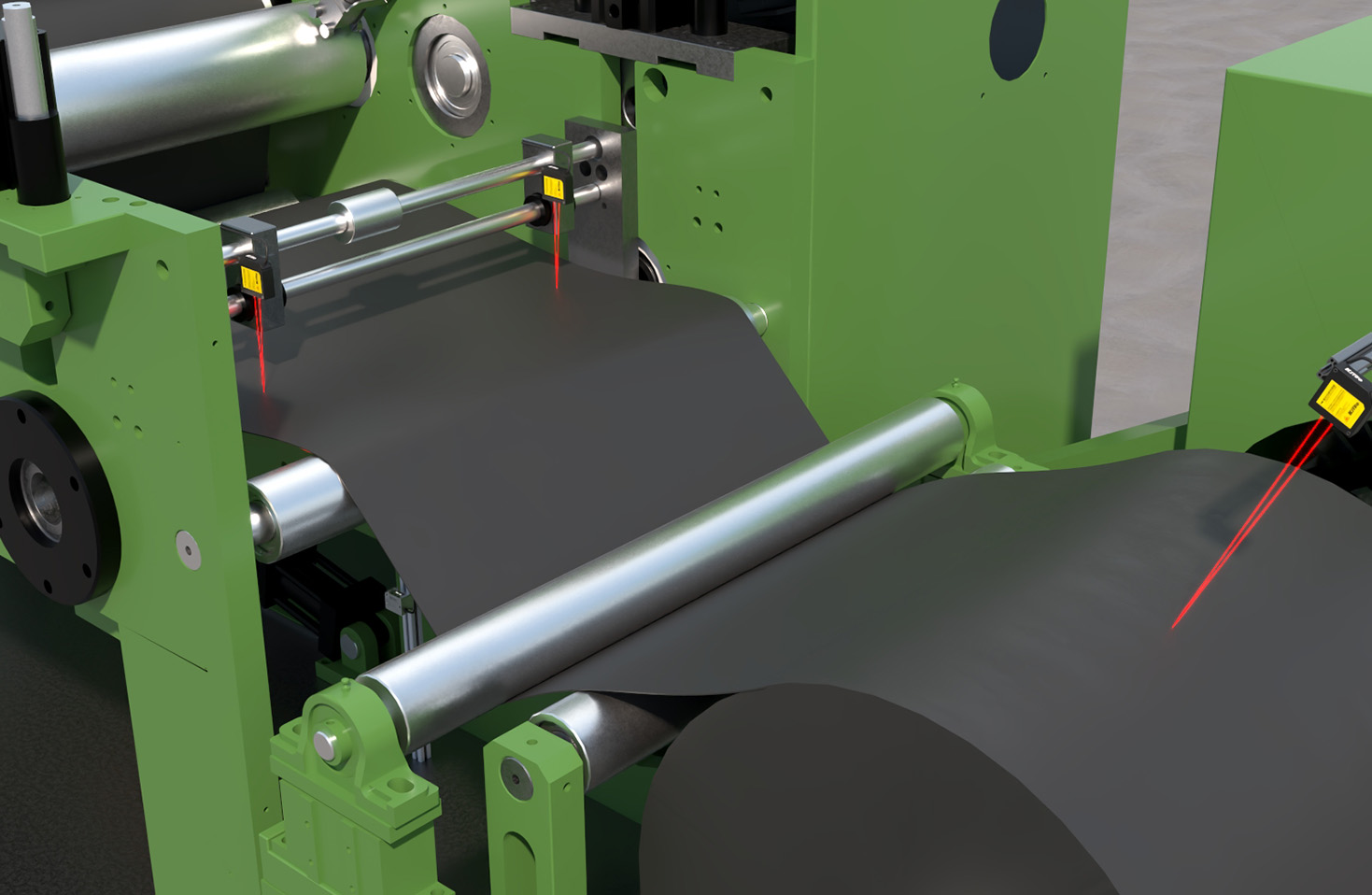
The implementation of laser thickness gauges has revolutionized industries such as automotive, aerospace, and packaging. In steel production, for instance, laser sensors continuously monitor the thickness of hot-rolled strips, allowing for immediate feedback to the rolling mill's control system to adjust parameters and maintain tolerances within microns. In the plastics industry, monitoring the thickness of blown or cast films ensures uniformity, which is vital for both product performance and cost-effective material usage. The data collected is often integrated into Statistical Process Control (SPC) systems, facilitating trend analysis, predictive maintenance, and comprehensive quality reporting.
When selecting a laser thickness measurement system, engineers must consider several factors: the material type (opaque, translucent, or reflective), the required measurement range and resolution, the line speed, and the operational environment (temperature, dust, humidity). Calibration against known standards is paramount for maintaining accuracy. Regular maintenance, primarily lens cleaning and verification checks, ensures long-term sensor performance. As Industry 4.0 advances, these sensors are increasingly becoming nodes in interconnected smart factories, providing vital data for digital twins and autonomous process optimization. The future of laser thickness measurement points toward even higher speeds, miniaturization of sensor heads, and enhanced integration with artificial intelligence for anomaly detection and adaptive control, solidifying its role as an indispensable tool for precision manufacturing.
