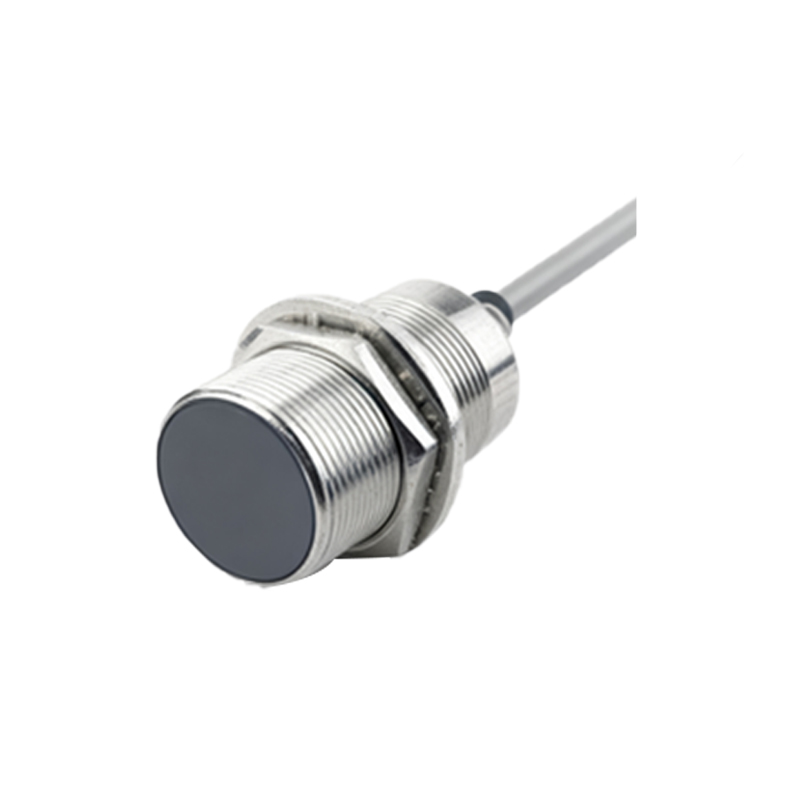
In the complex and demanding landscape of modern industrial automation, the reliability of sensor systems is paramount. Among these, proximity sensors play a critical role in non-contact detection, position sensing, and object counting. However, the proliferation of electronic devices, variable frequency drives, and wireless communication in industrial environments has created a significant challenge: electromagnetic interference (EMI). This has propelled a select group of specialized manufacturers to the forefront, focusing on designing and producing high-performance, anti-interference proximity sensors. These companies are not merely component suppliers; they are solution providers dedicated to ensuring operational integrity in the most electrically noisy conditions.
The core of anti-interference technology lies in sophisticated design and robust manufacturing. Leading manufacturers employ several key strategies. Firstly, advanced shielding techniques are fundamental. Sensors are housed in metallic casings, often made from stainless steel or specialized alloys, which act as Faraday cages to block external electromagnetic fields. Secondly, internal circuit design is meticulously optimized. This includes the use of differential signal processing, which compares two signals to reject common-mode noise, and the integration of high-quality filters to suppress specific frequency bands of interference. Thirdly, the choice of sensing technology itself is crucial. While inductive and capacitive sensors are common, manufacturers specializing in anti-interference often refine these technologies or utilize alternatives like ultrasonic or photoelectric sensing with enhanced noise immunity for specific applications.
Firmware and software also play an increasingly vital role. Intelligent sensors from top-tier companies feature embedded diagnostics and adaptive algorithms. These systems can monitor the signal-to-noise ratio in real-time, automatically adjust sensitivity thresholds, and even alert operators to deteriorating environmental conditions before a failure occurs. This predictive capability transforms the sensor from a passive component into an active node in a smart factory network.
The applications for these ruggedized sensors are vast and critical. They are indispensable in automotive manufacturing lines, where welding robots generate intense EMI. In the metalworking and machining sector, sparks and powerful motors create a hostile electrical environment. Food and beverage processing facilities, with their frequent washdowns and variable conditions, require sensors that are not only immune to interference but also to physical and chemical contaminants. Furthermore, in energy sectors like wind power or substations, where high-voltage equipment is prevalent, the ability of a proximity sensor to function flawlessly is non-negotiable for safety and efficiency.
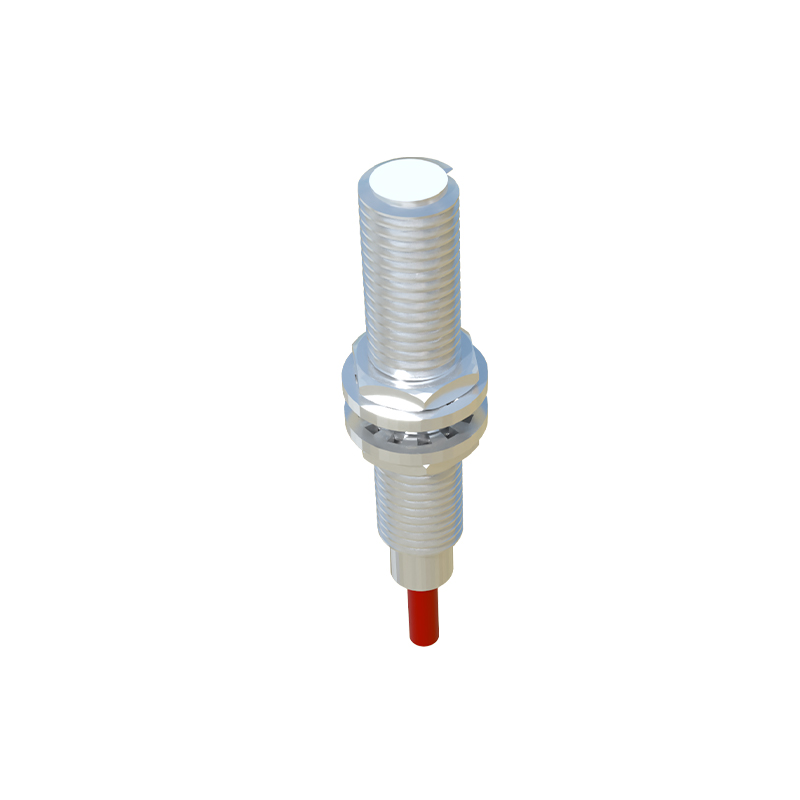
When evaluating a manufacturer of anti-interference proximity sensors, several factors beyond the basic datasheet specifications should be considered. Proven performance in real-world applications, demonstrated through case studies and client testimonials, is invaluable. Compliance with international standards for electromagnetic compatibility (EMC), such as IEC 60947-5-2, is a baseline requirement. The manufacturer's expertise in application engineering—their ability to understand a specific problem and recommend a tailored solution—is a key differentiator. Finally, a global support network ensures that technical assistance and replacement parts are available, minimizing downtime.
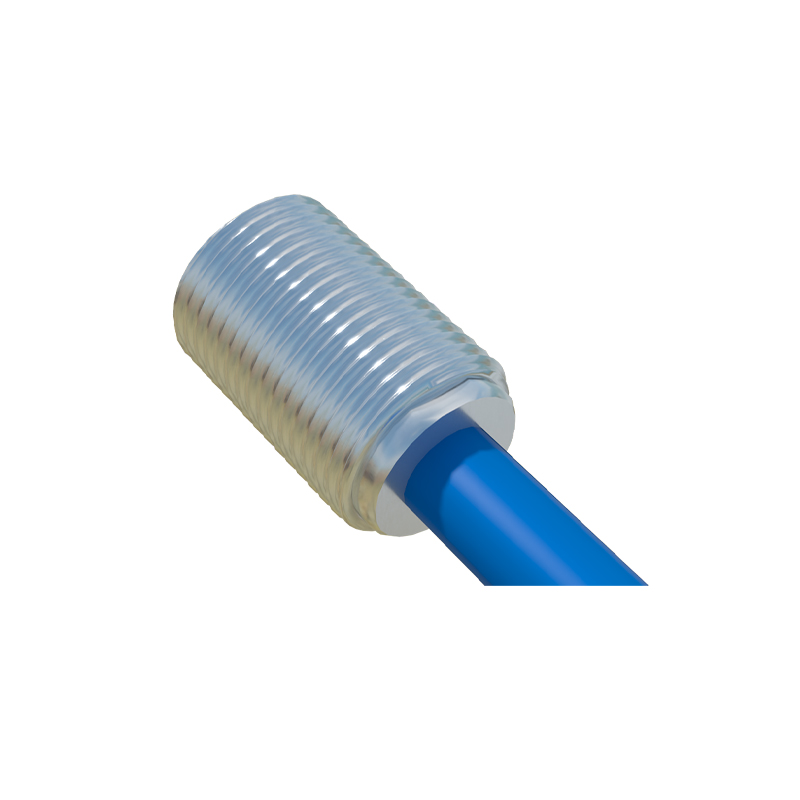
In conclusion, as industrial environments grow more interconnected and electrically complex, the demand for proximity sensors with superior anti-interference capabilities will only intensify. The leading manufacturers in this niche distinguish themselves through a deep commitment to R&D, rigorous testing protocols, and a holistic understanding of the challenges faced on the factory floor. They provide not just a product, but a guarantee of resilience, enabling engineers and plant managers to build automation systems that are robust, reliable, and ready for the future of Industry 4.0. Investing in such specialized technology is an investment in uninterrupted productivity and long-term operational excellence.