In the rapidly evolving landscape of consumer electronics, the integration of laser autofocus sensors into smartphone cameras represents a significant leap forward, particularly in the realm of selfie technology. As a seasoned electrical engineer specializing in sensor systems, I have observed firsthand the transformative impact of this innovation. Traditional autofocus mechanisms, such as phase detection or contrast-based systems, often struggle in low-light conditions or with fast-moving subjects, leading to blurred or poorly timed selfies. Laser autofocus sensors address these limitations by emitting an invisible laser beam to measure the distance between the camera and the subject with remarkable precision.
The core principle behind laser autofocus involves time-of-flight (ToF) measurement. A laser diode emits a short pulse of infrared light, which reflects off the subject and returns to a sensor. By calculating the time taken for this round trip, the system determines the exact distance, enabling the lens to adjust focus almost instantaneously. This process typically occurs within milliseconds, ensuring that selfies are sharp and clear, even in challenging environments like dimly lit rooms or outdoor settings with complex backgrounds. From an engineering perspective, the design incorporates components such as vertical-cavity surface-emitting lasers (VCSELs), which offer high efficiency and compact form factors, making them ideal for slim smartphone designs.
Moreover, the adoption of laser autofocus sensors enhances user experience beyond mere speed. These sensors contribute to improved portrait mode effects by accurately mapping depth, allowing for sophisticated background blur (bokeh) and advanced augmented reality (AR) features. In selfie scenarios, this means that facial features are highlighted with professional-grade clarity, while distractions are minimized. Additionally, the low power consumption of modern laser systems aligns with the growing demand for energy-efficient devices, extending battery life during extensive photo sessions.
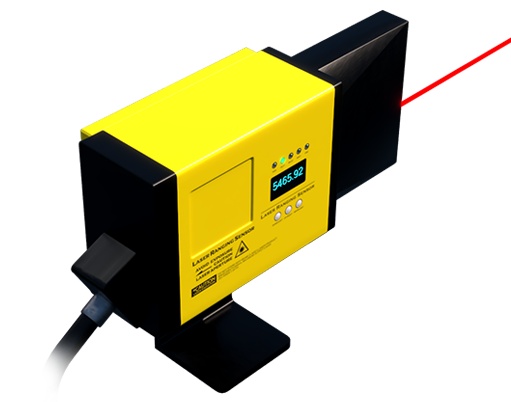
However, implementing laser autofocus is not without challenges. Engineers must account for factors like ambient light interference, sensor calibration, and regulatory compliance for eye safety. The infrared lasers used must operate within strict power limits to prevent any risk to users, requiring meticulous testing and quality control. Furthermore, the miniaturization of these components demands advanced manufacturing techniques, such as wafer-level packaging, to maintain performance while reducing costs. Despite these hurdles, the industry has made strides in optimizing sensor arrays and integrating them with AI-driven software for even smarter focusing.
Looking ahead, the future of selfie technology will likely see further convergence of laser sensors with other innovations, such as under-display cameras and multi-spectral imaging. As 5G and IoT ecosystems expand, real-time image processing could enable new applications in social media, telemedicine, and virtual collaboration. For consumers, this translates to selfies that are not only aesthetically pleasing but also functional in diverse contexts. In conclusion, laser autofocus sensors exemplify how electrical engineering breakthroughs can redefine everyday experiences, turning casual selfies into moments of technical artistry.