Proximity sensors are indispensable components in modern industrial automation, offering non-contact detection of objects within their sensing range. These devices are widely utilized across manufacturing, packaging, robotics, and automotive sectors due to their reliability, durability, and precision. Understanding the various series of proximity sensors is crucial for selecting the appropriate type for specific applications. This article provides a comprehensive overview of the primary proximity sensor series available in the market.
Inductive proximity sensors are among the most common series, designed to detect metallic objects without physical contact. They operate by generating an electromagnetic field and monitoring changes caused by the presence of conductive materials. Key sub-series include standard cylindrical models, rectangular variants, and miniature versions for space-constrained installations. Inductive sensors are ideal for harsh environments, as they are resistant to dust, moisture, and vibrations. Typical applications involve position sensing, part counting, and machine safety systems in metalworking and assembly lines.
Capacitive proximity sensors form another essential series, capable of detecting both metallic and non-metallic materials, such as plastics, liquids, and granular substances. These sensors function by measuring changes in capacitance when an object enters their electrostatic field. Series within this category often feature adjustable sensitivity settings, allowing customization for diverse materials. Common uses include level detection in tanks, presence sensing of packaging materials, and touch-sensitive controls. Their versatility makes them suitable for food processing, pharmaceutical, and chemical industries where non-metal detection is required.
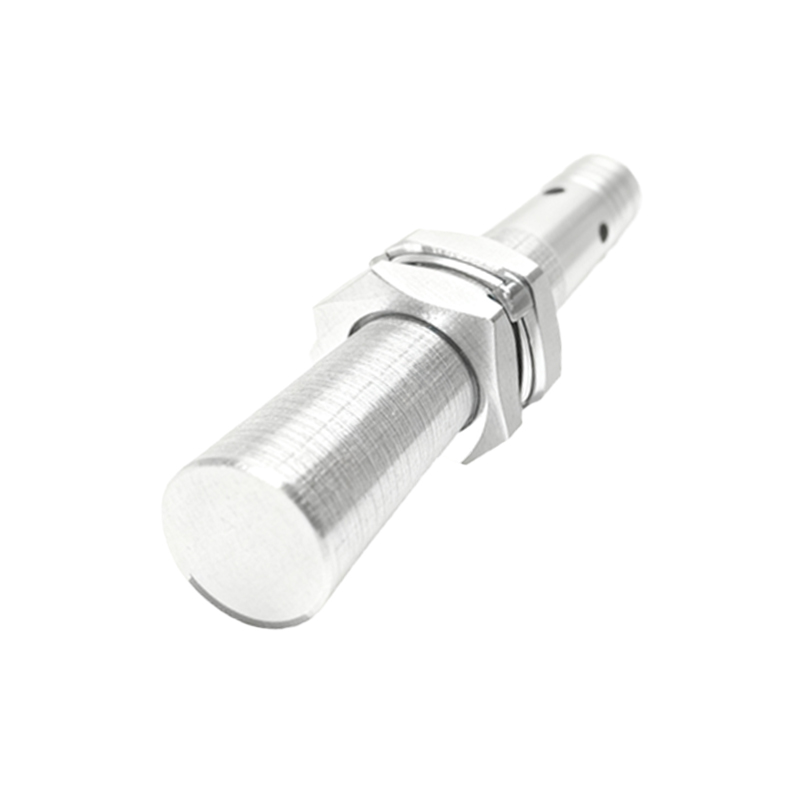
Magnetic proximity sensors, or reed switches, are specialized series that respond to magnetic fields, typically from permanent magnets. They consist of sealed contacts that open or close when exposed to magnetism. This series is known for its low power consumption and simple design, making it cost-effective for basic switching tasks. Applications include door and window position sensing in security systems, limit switching in machinery, and flow monitoring in fluid systems. Enhanced versions with rugged housings are available for extreme temperature or pressure conditions.
Ultrasonic proximity sensors utilize sound waves to detect objects, measuring the time taken for echoes to return after emitting high-frequency pulses. This series excels in long-range detection and can handle various surface types, including transparent or glossy materials that may challenge optical sensors. They are commonly employed in distance measurement, object profiling, and liquid level control. Advanced series offer background suppression features to ignore interfering objects, enhancing accuracy in complex environments like warehouse automation and vehicle guidance systems.
Photoelectric proximity sensors represent a diverse series that uses light beams—typically infrared, visible, or laser—to sense objects. Sub-series include through-beam, retro-reflective, and diffuse reflective models, each with distinct operating principles. Through-beam sensors provide long sensing distances and high precision, while diffuse types are compact for close-range detection. These sensors are prevalent in conveyor belt systems, packaging machinery, and electronic assembly lines, where fast response times and non-contact operation are critical. Modern photoelectric series often incorporate IO-Link connectivity for smart factory integration.
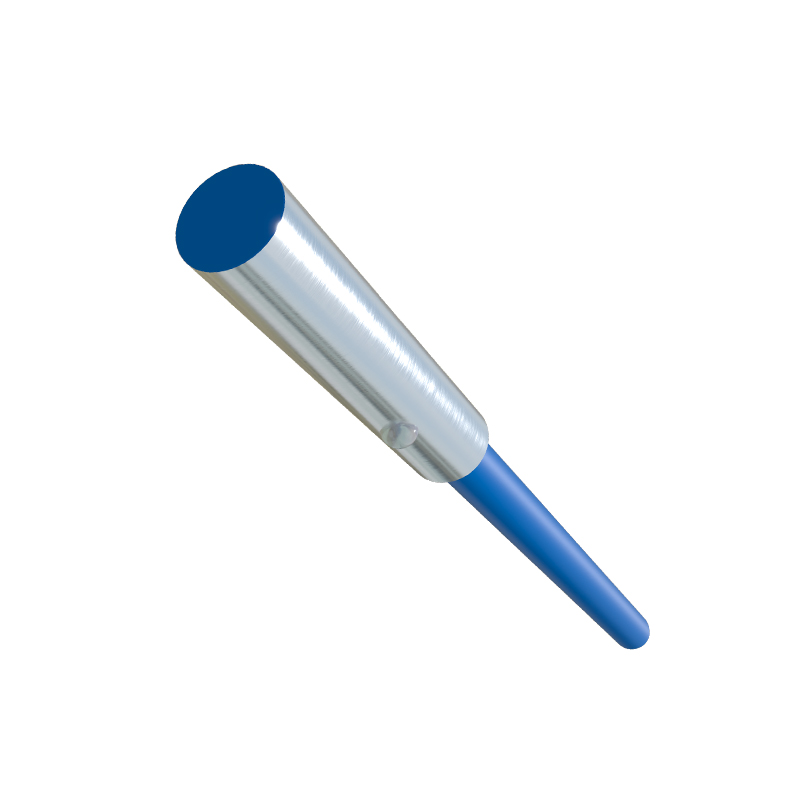
Specialized proximity sensor series cater to niche requirements. For instance, high-temperature sensors withstand extreme thermal conditions, often found in foundries or welding applications. Washdown series feature stainless steel housings and sealed designs for hygienic environments like food and beverage production. Additionally, analog output sensors provide continuous signal variation proportional to distance, enabling precise positioning tasks in robotics and CNC machinery.
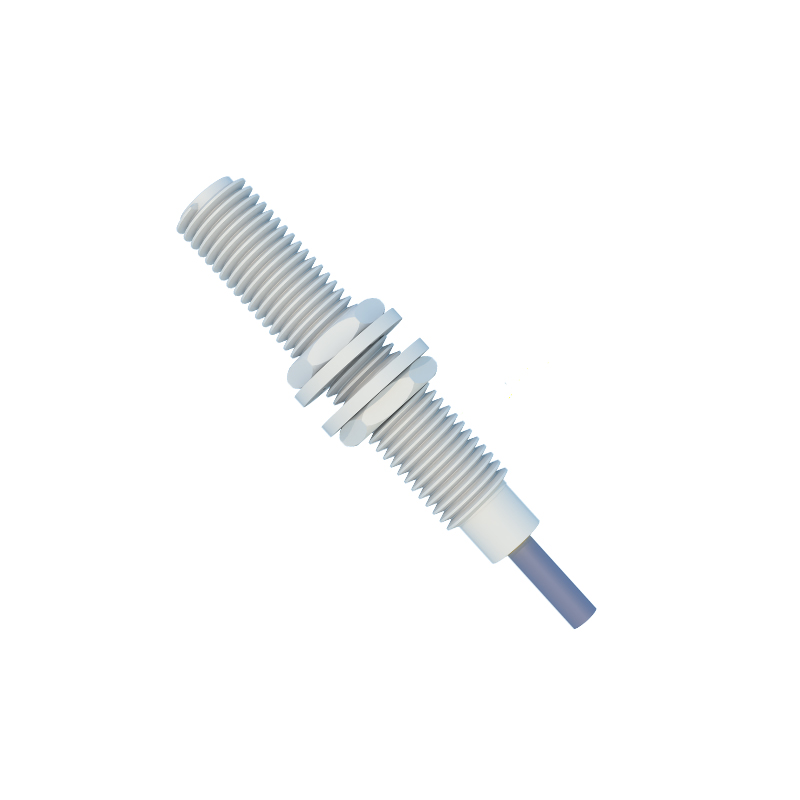
When selecting a proximity sensor series, engineers must consider factors such as sensing distance, material composition of target objects, environmental conditions, output type (e.g., NPN, PNP, analog), and electrical requirements. Proper installation and alignment are vital to ensure optimal performance and longevity. Regular maintenance, including cleaning of sensing faces and checking for electrical interference, helps prevent operational failures.
In summary, the proximity sensor market offers a wide array of series tailored to different industrial needs. From inductive and capacitive to magnetic, ultrasonic, and photoelectric types, each series brings unique advantages. As Industry 4.0 advances, smart sensors with digital communication capabilities are becoming standard, enhancing predictive maintenance and system integration. By understanding these series, professionals can make informed decisions to improve automation efficiency and reliability.