In the intricate world of industrial automation and control systems, proximity sensors stand as fundamental components, enabling non-contact detection of objects. Among these, miniature proximity switches represent a significant evolution, offering compact solutions for space-constrained applications without compromising performance. This article delves into the operational principles, key types, and critical applications of these devices, providing a comprehensive overview for engineers and system integrators.
At its core, a proximity sensor is a device that detects the presence or absence of an object within its sensing range without physical contact. This non-contact operation eliminates mechanical wear, enhances reliability, and allows for high-speed operation. Miniature proximity switches are a subset designed with a drastically reduced form factor, typically employing the same underlying technologies but packaged for mounting in tight spaces such as small machinery, robotic arms, electronic assemblies, and consumer devices.
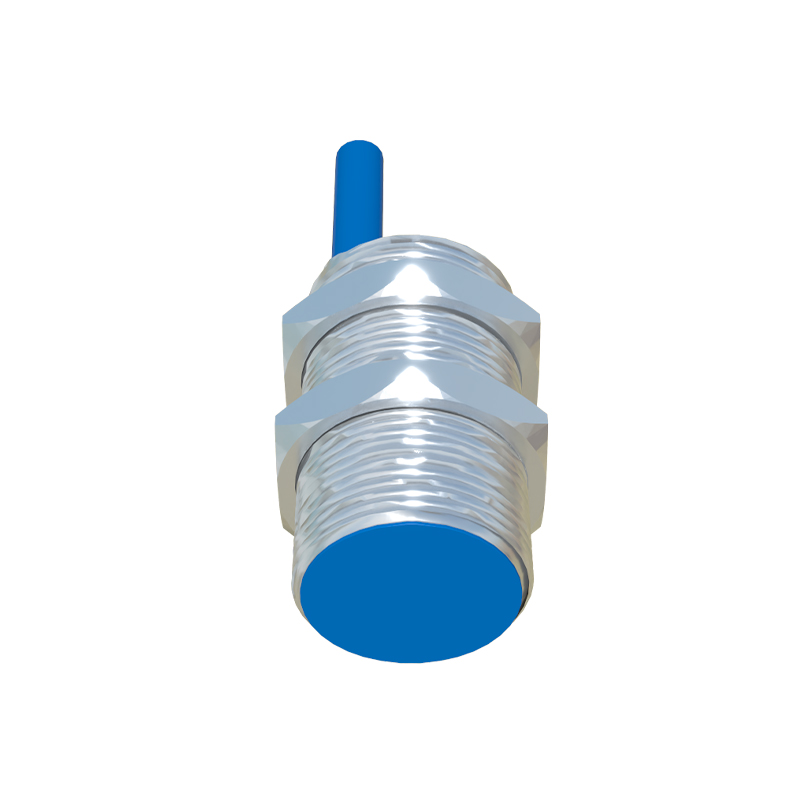
The most prevalent technologies for miniature proximity switches include inductive, capacitive, and magnetic (reed or Hall-effect) types. Inductive proximity sensors are the workhorses for detecting metallic objects. They operate by generating an electromagnetic field. When a metallic target enters this field, it induces eddy currents within the target, which in turn dampens the sensor's oscillation amplitude. This change is detected by the sensor's circuitry, triggering a solid-state output switch. Miniature inductive sensors are ideal for detecting ferrous and non-ferrous metals in applications like precision part counting, position verification in CNC machines, or end-of-travel detection in compact linear actuators.
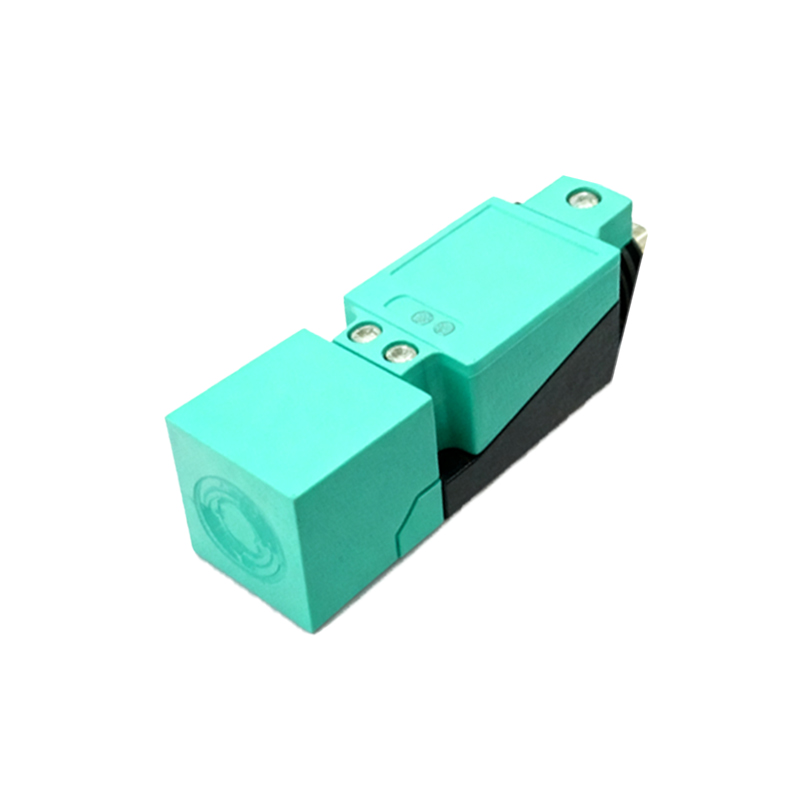
Capacitive proximity sensors, on the other hand, can detect both metallic and non-metallic materials, including liquids, plastics, and glass. They function by generating an electrostatic field. Any object that enters this field alters the capacitance of the sensor's circuit, leading to a state change. Miniature capacitive sensors are invaluable in applications requiring detection of material levels, presence of packaging materials, or touch interfaces in small electronic devices.
Magnetic proximity switches, utilizing reed switches or Hall-effect sensors, detect permanent magnets. They are highly reliable in harsh environments with dirt, dust, or moisture, as the sensing is purely magnetic. The miniature versions are extensively used in security systems (door/window sensors), as position feedback in pneumatic cylinders, or in low-power wearable technology.
Selecting the appropriate miniature proximity switch requires careful consideration of several parameters. Sensing distance, often just a few millimeters in miniature models, is paramount and is typically rated as a nominal value under ideal conditions. The target material directly dictates the choice between inductive, capacitive, or magnetic types. Environmental factors such as temperature extremes, chemical exposure, and electrical noise must be accounted for, with many miniature models offering IP67 or higher ingress protection. The output configuration—typically NPN (sinking) or PNP (sourcing) transistor outputs for DC models, or relay contacts—must be compatible with the controller's input module (e.g., PLC). Finally, the physical housing style (threaded barrel, rectangular, or slot-style) and connection method (pre-wired cable or quick-disconnect) are chosen based on mounting constraints.
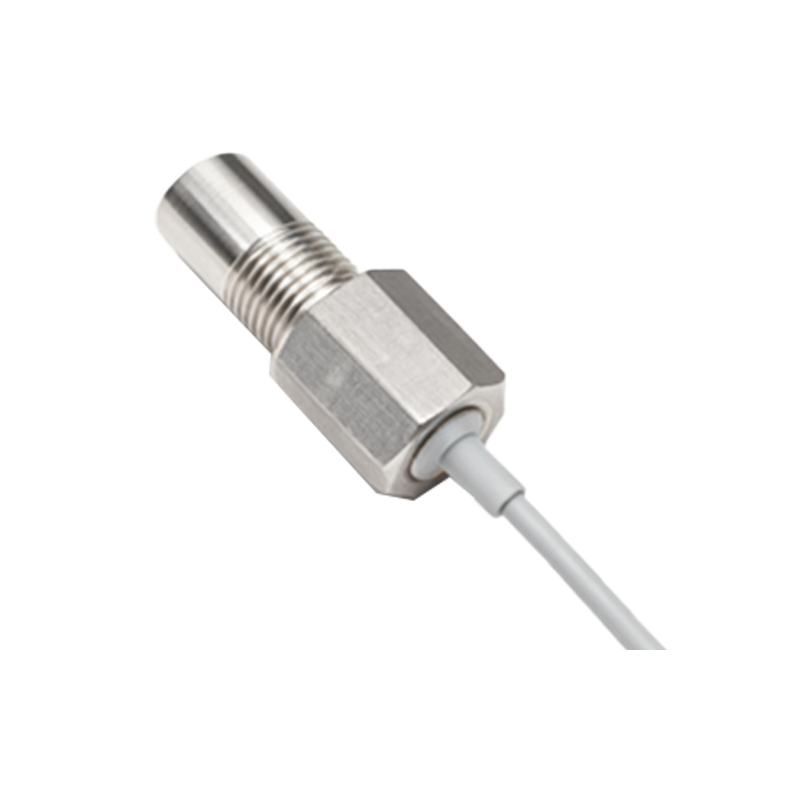
The advantages of miniature proximity switches are manifold. Their small size allows for integration into increasingly miniaturized equipment, enabling smarter, more compact machine designs. The solid-state, non-contact design ensures a long operational life with millions of cycles, reducing maintenance downtime. They provide fast response times, critical for high-speed automation processes. Furthermore, their lack of moving parts makes them resistant to vibration and physical shock.
In practical application, a miniature inductive sensor might be embedded in a robotic gripper to confirm a part has been successfully picked. A tiny capacitive sensor could monitor the fill level of a small reservoir in a medical analyzer. An array of magnetic sensors might provide precise positional feedback in a miniaturized linear guide system. The integration is typically straightforward, involving power connection (often 10-30V DC) and wiring the output signal to a controller.
In conclusion, miniature proximity switches are indispensable in the advancement of precision automation, IoT devices, and compact machinery. By understanding their operating principles, types, and selection criteria, engineers can effectively leverage these components to enhance system reliability, enable new functionalities, and drive innovation in design. As technology progresses, we can anticipate even smaller, smarter, and more energy-efficient models, further pushing the boundaries of what is possible in automated sensing and control.