In industrial automation and control systems, proximity sensors play a critical role in detecting the presence or absence of objects without physical contact. These devices are fundamental to processes ranging from assembly line sequencing and robotic guidance to safety interlocks and position verification. While the market offers a wide array of sensors, a significant and often problematic segment consists of non-genuine or counterfeit alternatives to original equipment manufacturer (OEM) products. This article delves into the technical, operational, and economic realities of using non-genuine proximity sensors, providing an engineer's perspective on the associated risks.
The primary appeal of non-genuine sensors is undeniably cost. They are frequently priced 30% to 70% lower than their OEM counterparts. For operations under severe budget constraints or in markets where initial purchase price is the dominant decision factor, this price differential can be compelling. However, this upfront savings is typically illusory, masking a host of downstream issues that inflate the total cost of ownership.
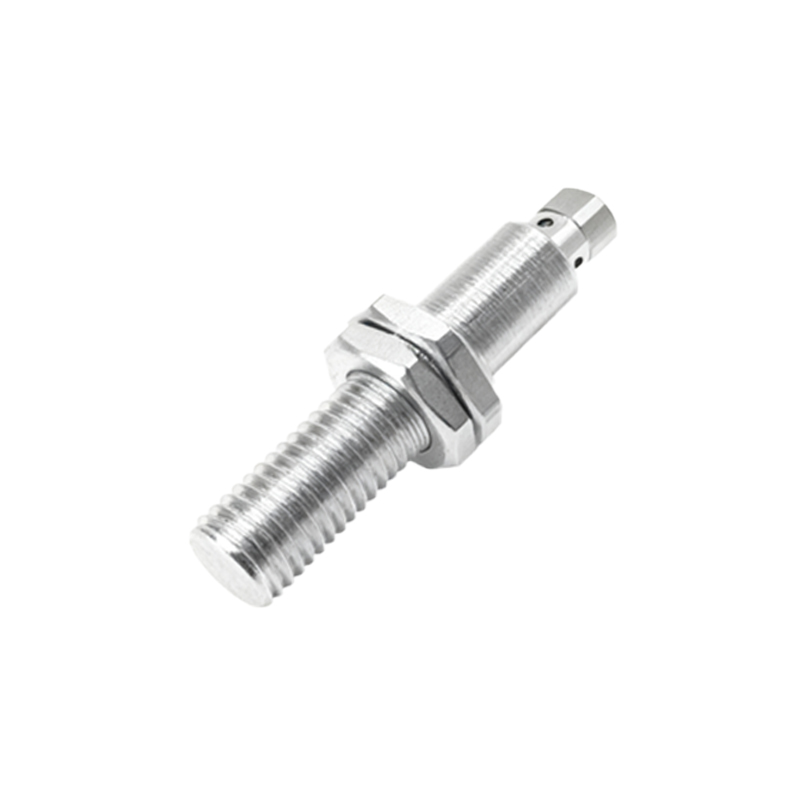
From a technical standpoint, performance gaps are substantial and multifaceted. Genuine proximity sensors from reputable manufacturers undergo rigorous design, testing, and quality control processes. Their sensing distances, repeat accuracy, temperature stability, and resistance to environmental factors like humidity, oil, and electromagnetic interference (EMI) are precisely characterized and guaranteed. Non-genuine units often exhibit inconsistent performance. Key specifications such as nominal sensing range (Sn) and hysteresis may deviate significantly from stated values. A sensor advertised with a 10mm range might effectively operate at only 7mm, causing unexpected machine faults or failures to detect objects. Temperature drift can be pronounced, leading to unreliable operation in non-climate-controlled environments. Furthermore, the materials used in housings and sensing faces are often inferior. OEM sensors designed for harsh environments use specific, durable plastics or metals (e.g., PBT, stainless steel). Non-genuine versions may use cheaper, non-specified plastics that degrade quickly when exposed to coolants, UV light, or mechanical abrasion, leading to premature failure.
Electrical compatibility and safety present another major concern. While a non-genuine sensor may physically fit the mounting bracket and use a compatible connector, its internal circuitry can differ drastically. Issues commonly encountered include incorrect load handling, poor short-circuit protection, and inadequate voltage surge immunity. These flaws not only risk the sensor's own lifespan but can also damage connected controllers, PLC input cards, or power supplies. The electromagnetic compatibility (EMC) performance is frequently neglected. A non-genuine sensor might emit excessive electromagnetic noise, disrupting sensitive communication lines or other electronic equipment nearby, or it may be highly susceptible to interference, causing erratic switching. From a safety perspective, sensors used in safety-critical applications (e.g., guarding a hazardous area) must comply with international standards like IEC 60947-5-2 or IEC 61508. Non-genuine sensors almost never carry such certifications, introducing unacceptable liability and risk to personnel and equipment.
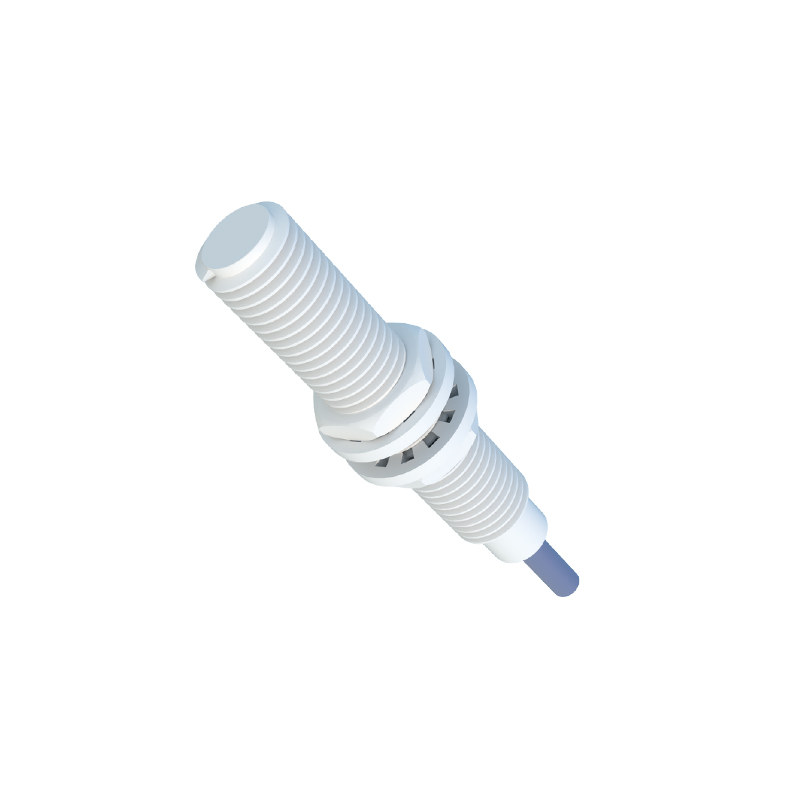
Operational reliability and maintenance costs are directly impacted. The mean time between failures (MTBF) for non-genuine sensors is generally much lower. This leads to unplanned downtime, which in manufacturing can cost thousands of dollars per hour in lost production. Troubleshooting becomes more complex, as technicians cannot rely on the consistent behavior expected from OEM parts. The lack of reliable technical documentation, accurate datasheets, and traceable manufacturing batches further complicates support and diagnostics. In contrast, OEMs provide extensive support, application engineering, and global warranty services.
The supply chain and lifecycle management also differ. Authorized distributors of genuine products ensure a reliable supply of consistent quality. They also provide access to firmware updates, product change notifications, and end-of-life forecasts. The supply of a specific non-genuine sensor can be erratic, with components changing without notice based on the cheapest available parts at the factory. This makes long-term maintenance and system reproducibility a significant challenge.
In conclusion, while the initial purchase price of a non-genuine proximity sensor is lower, the total cost of ownership is almost always higher when factoring in premature failures, unplanned downtime, potential damage to other equipment, increased maintenance labor, and safety risks. For non-critical, low-speed, or disposable applications, a well-vetted alternative might be considered with full awareness of the trade-offs. However, for the vast majority of industrial applications where reliability, precision, safety, and system integrity are paramount, investing in genuine proximity sensors from trusted manufacturers is not merely a purchasing decision—it is a fundamental engineering best practice that safeguards productivity, quality, and operational safety. The role of the engineer is to specify and justify the correct component based on a holistic analysis of performance, lifecycle cost, and risk, not just the initial invoice.