In the rapidly evolving landscape of industrial automation and precision measurement, laser high-frequency sensors have emerged as a cornerstone technology, enabling unprecedented levels of accuracy, speed, and reliability. These sophisticated devices operate on the principle of emitting a focused beam of light—typically from a laser diode—and analyzing the reflected signal to determine parameters such as distance, displacement, vibration, or surface characteristics. The "high-frequency" aspect refers to the sensor's ability to perform these measurements at exceptionally rapid rates, often in the kilohertz (kHz) to megahertz (MHz) range, making them indispensable for dynamic, real-time monitoring and control applications.
The core operational mechanism of a laser high-frequency sensor often involves triangulation or time-of-flight (ToF) principles. In triangulation-based sensors, the emitted laser beam strikes the target surface, and the reflected light is focused onto a position-sensitive detector (PSD) or a CMOS/CCD array. Any change in the target's position causes a shift in the reflected light spot on the detector, which is then calculated to determine the exact distance or displacement. This method offers extremely high resolution, often in the sub-micrometer range. Time-of-flight sensors, on the other hand, measure the time it takes for a laser pulse to travel to the target and back. Given the constant speed of light, this elapsed time is directly proportional to the distance. Modern high-frequency ToF sensors utilize advanced pulsed lasers and high-speed electronics to achieve fast measurement cycles suitable for long-range applications or 3D profiling.
The advantages of deploying laser high-frequency sensors are manifold. Firstly, they provide non-contact measurement, which is critical for inspecting delicate, hot, moving, or otherwise inaccessible surfaces without causing wear or damage. The high sampling frequency allows for the capture of transient events and high-speed processes, such as the vibration analysis of rotating machinery, thickness monitoring in fast-moving web processes, or real-time quality control on high-speed assembly lines. Furthermore, laser sensors are largely immune to environmental factors like electromagnetic interference (EMI), which can plague other sensing technologies, and they can be engineered to perform consistently in challenging conditions involving dust, smoke, or variable ambient light.
Key industries leveraging this technology include automotive manufacturing, where they are used for precise gap and flush measurement on vehicle bodies, and vibration testing of components. In the electronics sector, they ensure the coplanarity of integrated circuit (IC) leads and the precise placement of surface-mount devices (SMDs). Aerospace applications involve turbine blade vibration monitoring and composite material inspection. Additionally, they are pivotal in robotics for accurate positioning and navigation, and in scientific research for experimental physics and materials science.
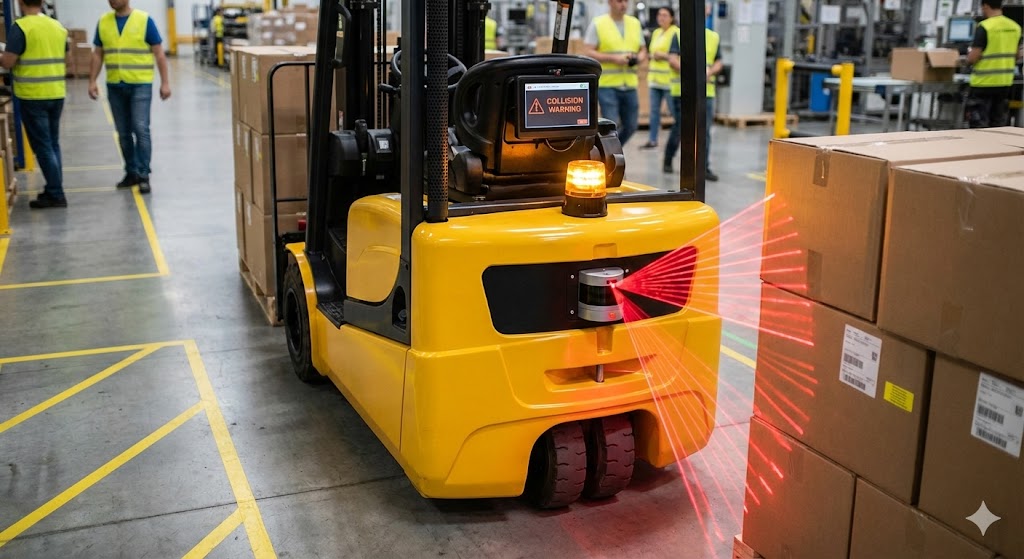
When selecting a laser high-frequency sensor, engineers must consider several critical specifications. The measurement range defines the minimum and maximum distances over which the sensor can operate accurately. The resolution indicates the smallest detectable change in the measured variable. The linearity error specifies the deviation from a perfect straight-line response across the measurement range. Perhaps most crucial for high-frequency applications is the sensor's response time or sampling rate, which determines how quickly it can update its output. Other factors include the spot size of the laser (affecting lateral resolution), the type of output signal (analog voltage, current, or digital protocols like IO-Link), and the sensor's robustness in terms of ingress protection (IP) rating and temperature stability.
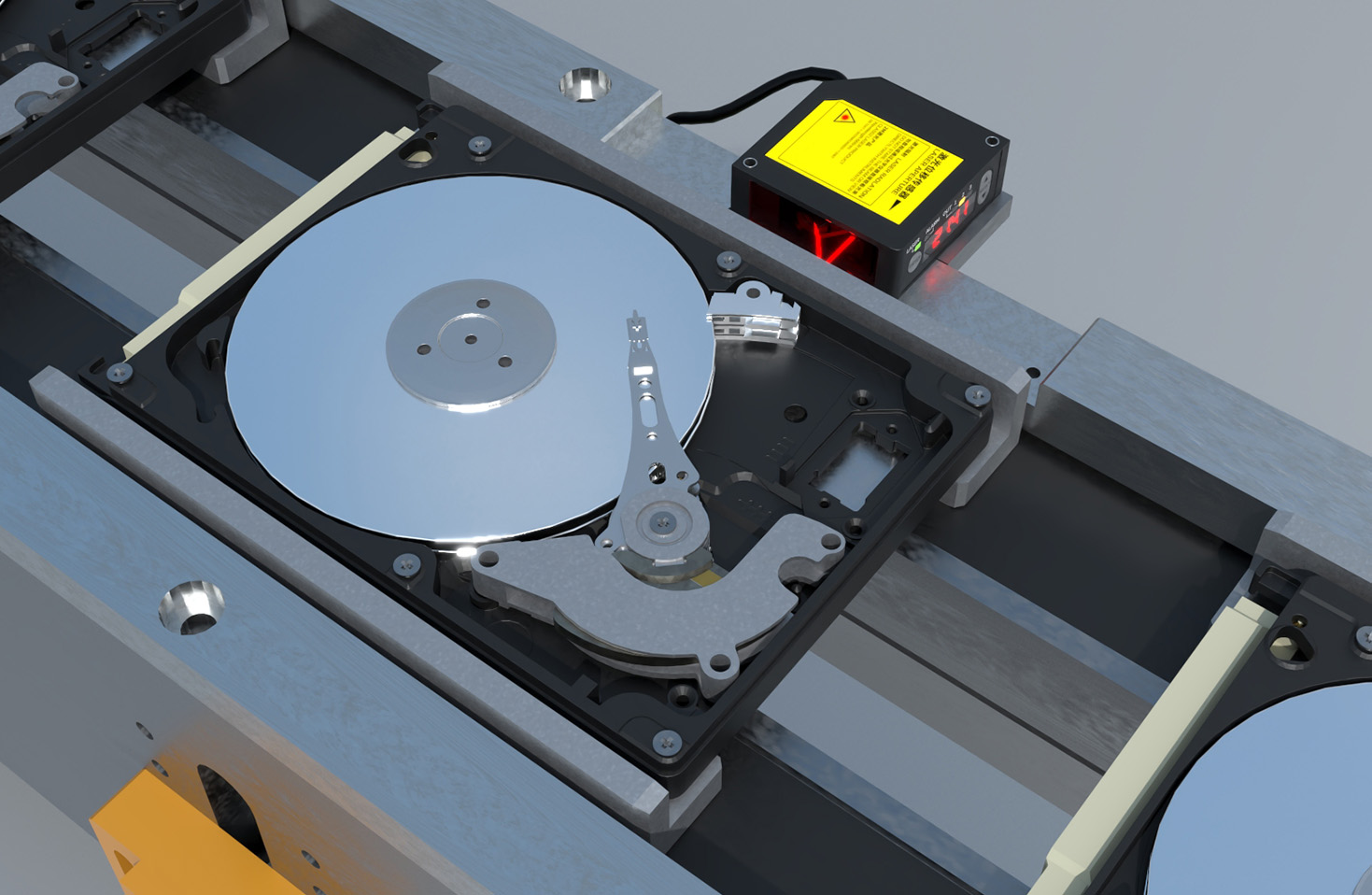
Recent technological advancements are pushing the boundaries even further. The integration of sophisticated digital signal processors (DSPs) and field-programmable gate arrays (FPGAs) allows for on-board data processing, filtering, and analysis, reducing the load on central control systems. The development of blue laser sensors offers improved performance on organic materials and transparent surfaces, which traditionally scatter or transmit common red laser light. Furthermore, the miniaturization of components is leading to more compact sensor designs that can be integrated into tighter spaces without sacrificing performance.

In conclusion, laser high-frequency sensors represent a critical enabling technology for modern industry's drive towards greater efficiency, quality, and intelligence. Their ability to deliver precise, non-contact measurements at high speeds unlocks capabilities in process control, predictive maintenance, and quality assurance that were previously unattainable. As innovation continues in laser sources, detector technology, and embedded electronics, these sensors will undoubtedly become even more versatile, powerful, and integral to the factories and research laboratories of the future, forming the essential "eyes" of automated and data-driven systems.