In the realm of industrial automation, the integration of foot switches and proximity sensors represents a pivotal advancement in operational safety, efficiency, and ergonomics. These components, though seemingly simple, play critical roles in diverse applications, from manufacturing lines to medical equipment. This article delves into their functionalities, benefits, and synergistic potential in modern industrial settings.
Foot switches, also known as pedal switches, are electromechanical devices activated by foot pressure. They enable operators to control machinery hands-free, which is essential in scenarios where manual dexterity is required for other tasks. Common types include momentary and maintained contact switches, with designs tailored for durability and resistance to harsh environments. In industries such as welding, packaging, and textile manufacturing, foot switches allow workers to manage equipment like presses, cutters, or sewing machines without interrupting their workflow. This not only boosts productivity but also reduces physical strain, aligning with ergonomic principles that prioritize worker well-being.
Proximity sensors, on the other hand, are non-contact devices that detect the presence or absence of objects within a specified range. Utilizing technologies like inductive, capacitive, or photoelectric sensing, they offer precise, reliable detection without physical interaction. Inductive sensors, for instance, are ideal for metal objects, while capacitive sensors can handle non-metallic materials. In automation systems, proximity sensors facilitate tasks such as object counting, position verification, and safety interlocks. Their ability to operate in dusty, wet, or high-vibration environments makes them indispensable for maintaining continuous production lines and preventing accidents.
The combination of foot switches and proximity sensors creates a robust safety and control framework. Consider a robotic assembly station: a foot switch can initiate a cycle, while proximity sensors monitor the robot's movement to ensure no obstructions are present. If an object is detected too close to the hazard zone, the sensors can trigger an immediate shutdown via the control system, preventing collisions or injuries. This dual-layered approach enhances machine guarding, complying with international safety standards like ISO 13849. Moreover, it minimizes downtime by enabling quick, automated responses to anomalies, thereby optimizing overall equipment effectiveness (OEE).
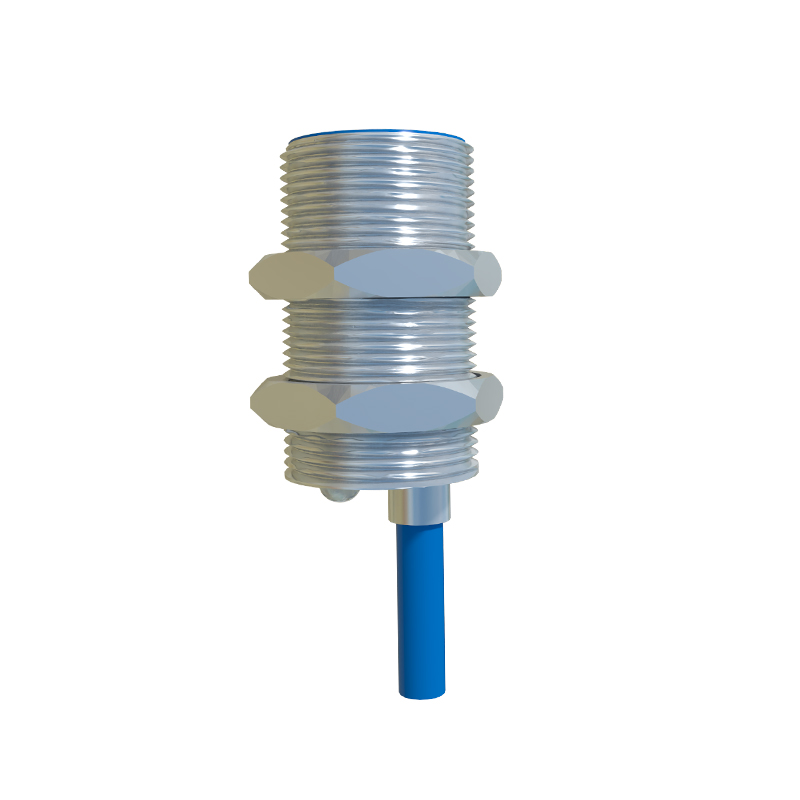
From an efficiency standpoint, integrating these components streamlines operations. Foot switches provide intuitive control for operators, reducing training time and human error. Proximity sensors contribute to predictive maintenance by monitoring equipment wear and tear, alerting technicians before failures occur. Together, they support lean manufacturing initiatives by eliminating wasteful motions and ensuring precise, repeatable actions. In medical applications, such as surgical tools or dental chairs, foot switches allow sterile operation, while proximity sensors adjust settings based on user proximity, enhancing both safety and convenience.
When selecting foot switches and proximity sensors, engineers must consider factors like load capacity, sensing distance, environmental ratings (e.g., IP67 for dust and water resistance), and compatibility with control systems. Modern advancements include wireless foot switches and smart sensors with IoT connectivity, enabling remote monitoring and data analytics. These innovations pave the way for Industry 4.0, where interconnected devices drive smarter, more adaptive factories.
In conclusion, foot switches and proximity sensors are more than mere components; they are enablers of safer, more efficient industrial automation. By leveraging their unique capabilities, industries can achieve higher productivity, reduced risks, and improved ergonomics. As technology evolves, their integration will continue to shape the future of manufacturing and beyond, underscoring the importance of thoughtful design and application in engineering solutions.