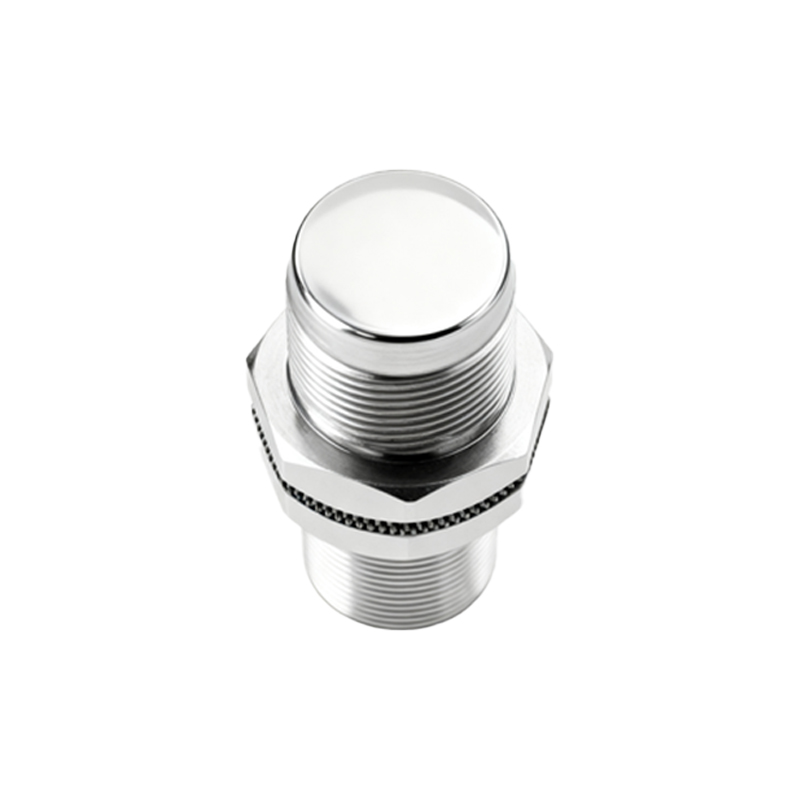
In the realm of industrial automation and control, the selection of an appropriate proximity sensor is a critical decision that directly impacts system reliability, efficiency, and safety. These non-contact devices, designed to detect the presence or absence of an object within a defined sensing range without physical contact, form the foundational sensory layer of modern manufacturing, packaging, robotics, and material handling systems. The process of choosing the right sensor, however, extends far beyond simply matching a listed sensing distance to an application requirement. It demands a systematic engineering approach that carefully balances technical specifications, environmental constraints, and economic factors.
The journey begins with a fundamental understanding of the primary sensing technologies. Inductive proximity sensors are the workhorses for detecting metallic objects, typically ferrous metals like steel and iron, with optimal performance. Their operation is based on generating an electromagnetic field; the presence of a conductive metal target within this field induces eddy currents, causing a change in the sensor's oscillation amplitude, which is then processed to trigger an output signal. For non-metallic targets—liquids, powders, glass, wood, or plastic—capacitive proximity sensors are employed. These sensors detect changes in capacitance caused by the dielectric constant of the target material entering an electrostatic field. A third major category is the photoelectric sensor, which uses a light beam (visible red, infrared, or laser) and is highly versatile for detecting objects of almost any material, color, or finish at longer ranges, though it can be susceptible to ambient light interference and requires a clear optical path.
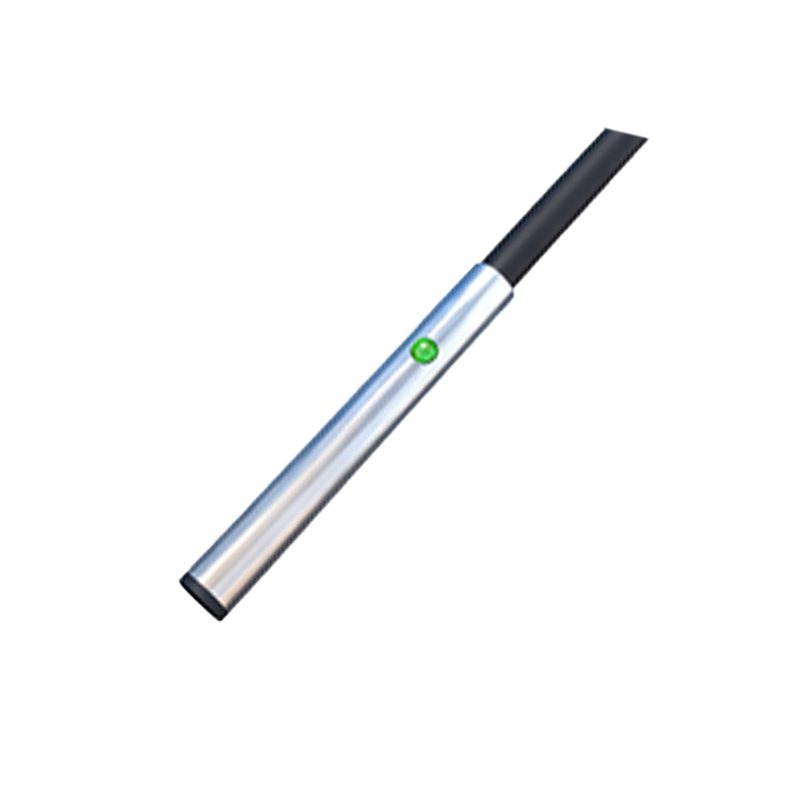
Once the core technology is identified, a detailed analysis of the application parameters is paramount. The target material is the first determinant. For metals, one must consider the type (steel, aluminum, brass, etc.) and the specific sensing factor, as non-ferrous metals like aluminum or copper typically reduce the effective sensing range of an inductive sensor compared to mild steel. The required sensing distance, or nominal range, must be selected with a safety margin, typically 70-80% of the catalog value, to account for manufacturing tolerances, temperature variations, and potential target misalignment. The physical size and form factor of the sensor are constrained by the available mounting space. Cylindrical threaded barrels (e.g., M8, M12, M18, M30) are common, but rectangular or slot-style housings exist for specialized needs.
Environmental conditions often dictate the sensor's housing material and protection rating. In washdown areas common in food & beverage or pharmaceutical industries, sensors must withstand high-pressure, high-temperature cleaning with caustic chemicals. Here, stainless steel housings (typically V2A/AISI 304 or V4A/AISI 316L) and a high Ingress Protection (IP) rating of IP67, IP68, or IP69K are non-negotiable. For applications involving welding spatter or heavy mechanical impact, sensors with robust, spatter-resistant coatings or PTFE caps are essential to prevent damage. Operating temperature ranges must be verified for extremes, whether in foundries or cold storage facilities.
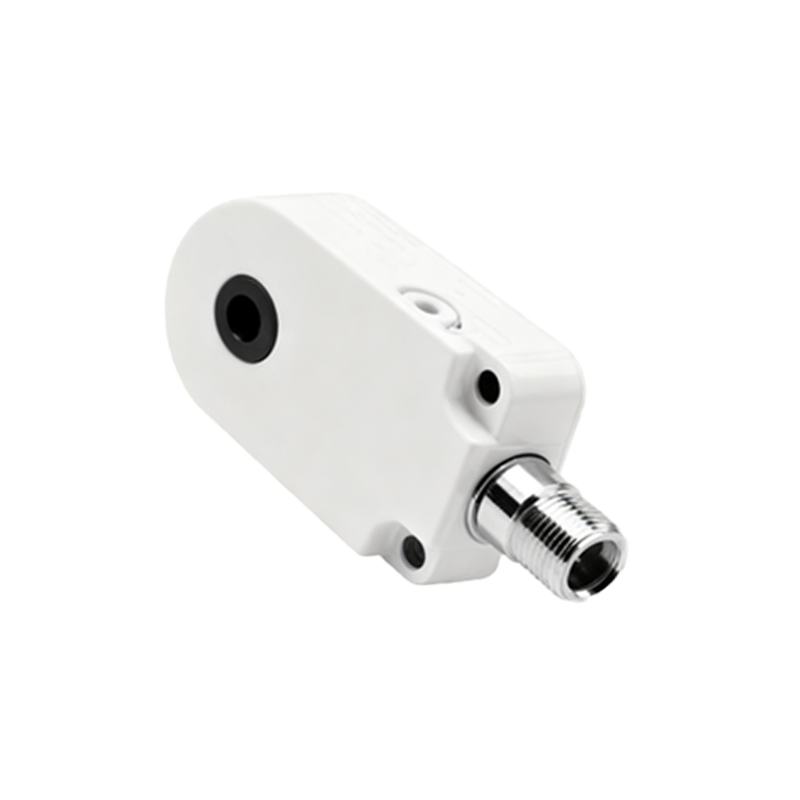
Electrical characteristics form another crucial layer. The choice between DC (typically 10-30V DC) and AC (90-250V AC) power supplies aligns with the available control panel voltage. Output configuration is equally important: PNP (sourcing) or NPN (sinking) for DC sensors, and normally open (NO) or normally closed (NC) contact logic. This must be compatible with the input card of the programmable logic controller (PLC) or other control system. The output current rating must be sufficient to drive the connected load, such as a relay coil or PLC input. For networking and advanced diagnostics, sensors with IO-Link capability are becoming increasingly valuable, enabling digital parameter setting, condition monitoring, and simplified wiring.
Finally, no selection is complete without considering lifecycle costs. While the initial purchase price is a factor, the total cost of ownership is heavily influenced by reliability, mean time between failures (MTBF), ease of installation and alignment, and availability of replacement parts. A marginally cheaper sensor that fails prematurely or causes costly production downtime represents a poor investment. Consulting detailed datasheets, application drawings, and leveraging the technical support of reputable sensor manufacturers are indispensable steps in this engineering process.
In conclusion, specifying a proximity sensor is a multidisciplinary exercise in applied physics, electrical engineering, and mechanical design. By methodically evaluating the target, environment, electrical interface, and long-term operational needs, engineers can deploy sensors that not only perform their immediate detection function flawlessly but also contribute to the overall resilience and intelligence of the automated system. The correct sensor, correctly applied, is a silent guardian of productivity.