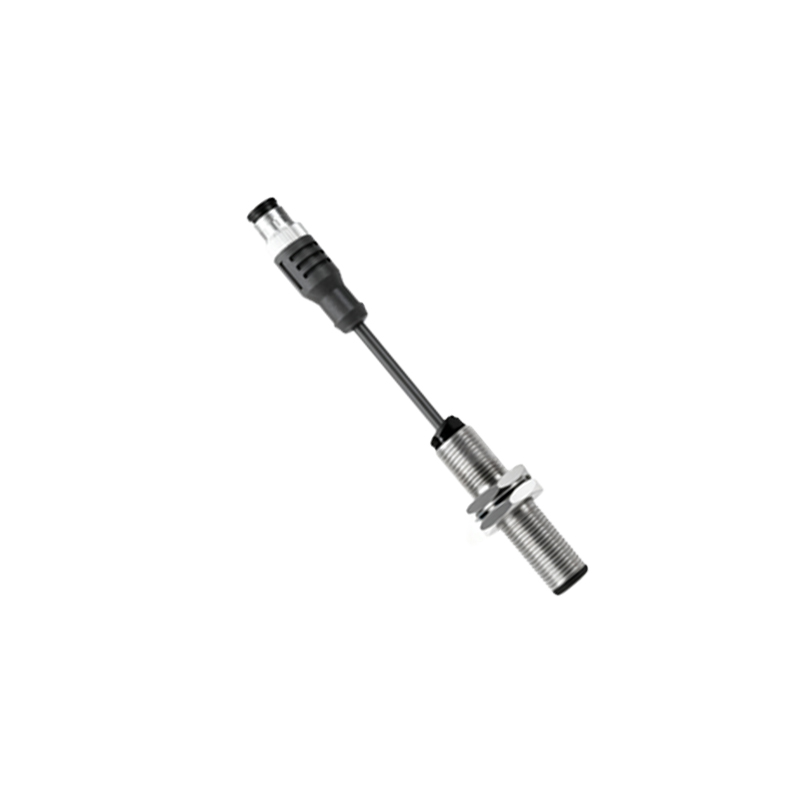
In the realm of industrial automation and control systems, diffuse reflective proximity sensors play a pivotal role in detecting the presence or absence of objects without physical contact. These sensors operate by emitting a light beam—typically infrared or visible LED—and measuring the amount of light reflected back from a target. Unlike through-beam or retro-reflective sensors, diffuse sensors rely on the reflection from the object itself, making them versatile for various applications, from packaging lines to robotic guidance. However, the cost of these sensors can vary significantly based on several key factors, which engineers and procurement specialists must consider to optimize both performance and budget.
One primary determinant of cost is the sensing range and accuracy. Basic diffuse sensors with short ranges (e.g., up to 100 mm) are generally more affordable, often priced between $20 to $50 per unit in bulk orders. For longer ranges or high-precision models capable of detecting objects at distances exceeding 500 mm, prices can escalate to $100 or more. Advanced features, such as background suppression technology that ignores distant objects, also add to the expense but enhance reliability in complex environments.
The type of light source and housing material further influences pricing. Standard infrared sensors are cost-effective, while models with red or laser light sources offer better visibility and targeting, increasing costs by 10-30%. Enclosures made of plastic are economical, but stainless steel or IP67-rated housings for harsh conditions (e.g., dust, moisture, or chemical exposure) can double the price. Additionally, connectivity options matter: sensors with analog outputs or IO-Link communication tend to be pricier than basic digital switches, as they enable smarter integration and data exchange in Industry 4.0 setups.
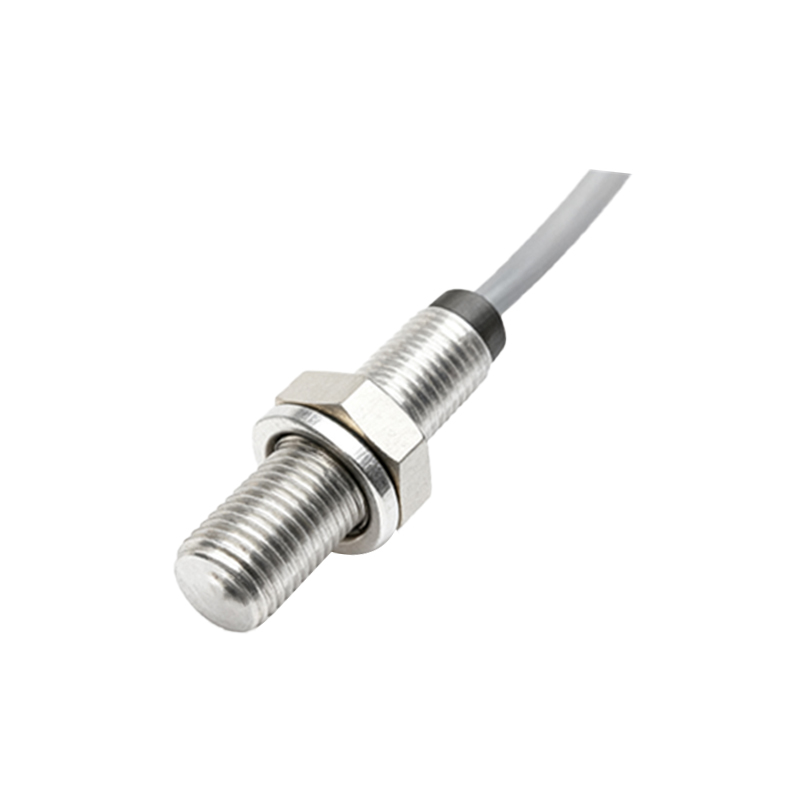
Brand reputation and certification also impact expenses. Established manufacturers like Omron, Sick, or Banner Engineering often charge premiums due to their reliability, warranty, and global support networks. In contrast, generic or lesser-known brands may offer lower upfront costs but pose risks in terms of longevity and compliance with safety standards (e.g., CE, UL). For critical applications, investing in certified sensors can reduce downtime and maintenance costs over time.
Market trends show that prices are gradually decreasing with advancements in LED and semiconductor technology, yet customization and supply chain factors can cause fluctuations. Engineers should evaluate total cost of ownership, including installation, calibration, and lifecycle, rather than just unit price. By aligning sensor specifications with operational needs—such as response time, environmental resilience, and compatibility—businesses can achieve a balance between affordability and efficiency.
In summary, the cost of diffuse reflective proximity sensors is shaped by technical specifications, build quality, and brand value. A thorough assessment of application requirements will guide cost-effective selections, ensuring robust performance in automated systems.