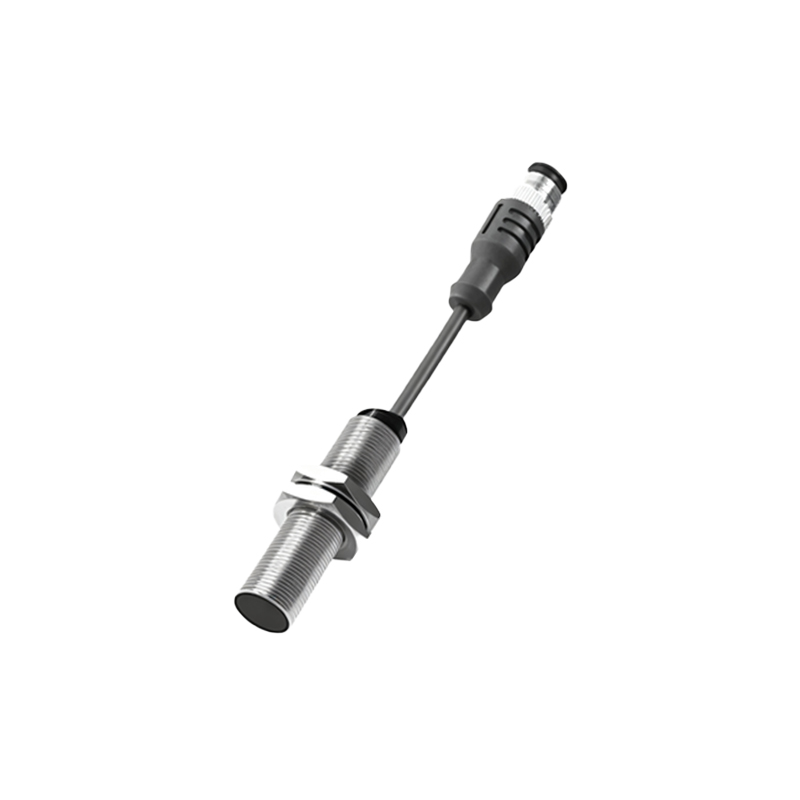
Inductive proximity sensors are fundamental components in modern industrial automation, offering non-contact detection of metallic objects. Their robust design, reliability, and versatility make them indispensable in a wide range of applications, from manufacturing assembly lines to heavy machinery. This article delves into the operational principles, key characteristics, common applications, and essential factors for selecting the right sensor for your needs.
At the core of an inductive proximity sensor is an oscillator circuit that generates a high-frequency electromagnetic field at its active face. When a metallic object enters this field, eddy currents are induced on the surface of the target. These eddy currents draw energy from the oscillator, causing a reduction in its amplitude. This amplitude change is detected by a threshold circuit, which subsequently triggers a solid-state output switch (typically PNP or NPN). The sensor does not require physical contact with the target, which eliminates mechanical wear and tear, ensuring a long operational life.
Key specifications define the performance of these sensors. The sensing distance, or nominal range (Sn), is a critical parameter, typically ranging from a few millimeters to several centimeters, depending on the sensor's size and design. It is important to note that this rated distance is defined for a standard target made of mild steel. For other metals, a correction factor must be applied; for instance, stainless steel may reduce the effective sensing range, while copper or aluminum reduces it even further. Another vital characteristic is the switching frequency, which indicates how many on/off cycles the sensor can handle per second. High-speed applications, such as counting small parts on a conveyor, require sensors with high switching frequencies. The housing material, often nickel-plated brass, stainless steel, or PBT plastic, determines the sensor's resistance to environmental factors like coolants, oils, and physical impacts.
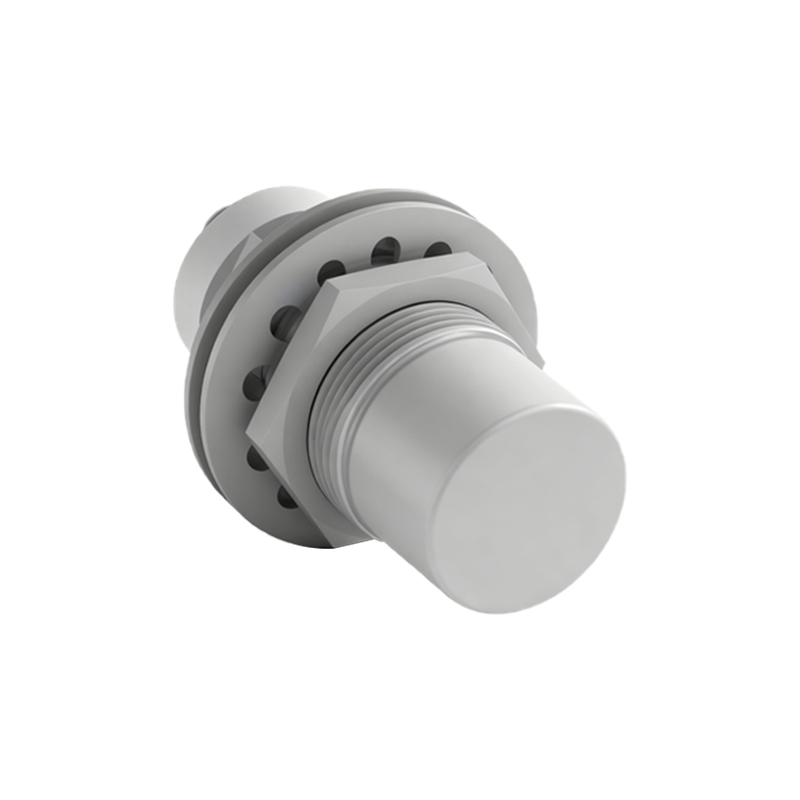
The applications for inductive proximity sensors are vast. They are commonly used for position sensing, such as detecting the presence of a cylinder rod in hydraulic or pneumatic systems. In material handling, they serve as part detection sensors on conveyors or as end-of-travel limit switches. They are also crucial in rotary speed monitoring by detecting gear teeth or keyways, and in automated machinery for part counting and jam detection. Their inherent immunity to non-metallic substances like dust, dirt, and liquids (provided they have an appropriate IP rating) makes them ideal for harsh industrial environments.
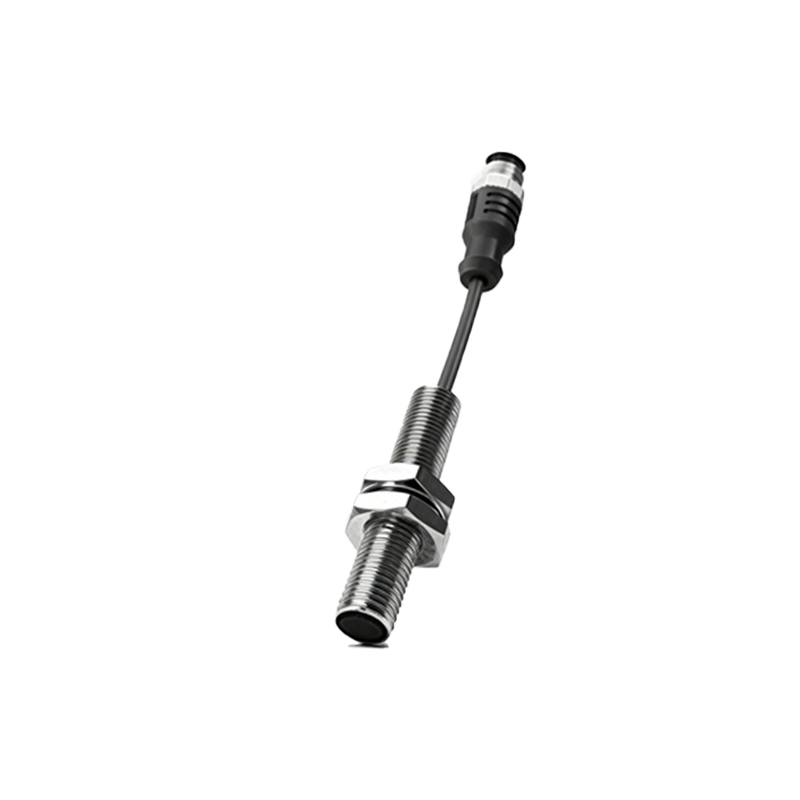
Selecting the appropriate inductive sensor requires careful consideration of several factors. First, identify the target material and size, as this directly affects the achievable sensing distance. The required mounting style—flush, non-flush, or tubular—must be compatible with the installation space. Flush-mounted sensors can be embedded in metal without loss of range, while non-flush types offer longer ranges but require a clear surrounding area. Electrical characteristics are equally important: choose between AC or DC supply voltages, PNP (sourcing) or NPN (sinking) output configurations to match your control system (e.g., PLC input), and normally open or normally closed logic. The environmental conditions dictate the necessary Ingress Protection (IP) rating; a rating of IP67 is standard for protection against dust and temporary immersion. For extreme conditions, sensors with higher IP ratings or specialized coatings are available.
In conclusion, inductive proximity sensors are a reliable and efficient solution for metallic object detection. By understanding their working principle, key specifications, and the specific demands of the application, engineers and technicians can ensure optimal sensor selection, leading to enhanced system reliability, reduced downtime, and improved operational efficiency in automated processes. Regular maintenance, though minimal, involves keeping the sensing face clean from metallic swarf buildup, which can cause false triggering.