In the intricate world of industrial automation, where precision and reliability are paramount, a class of devices operates silently yet indispensably. Proximity sensors, often termed non-contact sensors, are the unseen sentinels that detect the presence or absence of objects without any physical contact. Their fundamental principle revolves around generating an electromagnetic field or a beam of radiation and monitoring for changes within that field. When a target object enters this sensing zone, it causes a detectable alteration—be it in capacitance, inductance, or light intensity—which the sensor converts into an electrical signal. This simple yet profound action forms the backbone of countless automated processes.
The taxonomy of proximity sensors is primarily defined by their underlying technology. Inductive proximity sensors are the stalwarts for detecting metallic objects. They generate an oscillating electromagnetic field from a coil. When a ferrous or non-ferrous metal enters this field, it induces eddy currents, dampening the oscillation and triggering the sensor's output switch. These robust sensors are immune to environmental factors like dust, oil, or moisture, making them ideal for harsh manufacturing environments, such as metal stamping, machining centers, and automotive assembly lines.
In contrast, capacitive proximity sensors boast a broader detection capability. They can sense both metallic and non-metallic materials, including liquids, plastics, glass, and wood. They function by measuring changes in capacitance between the sensor's electrode and the ground. The introduction of any material with a different dielectric constant alters this capacitance, triggering detection. This versatility makes them perfect for applications like liquid level detection in tanks, material handling of granular substances, or presence verification of plastic caps on bottles.
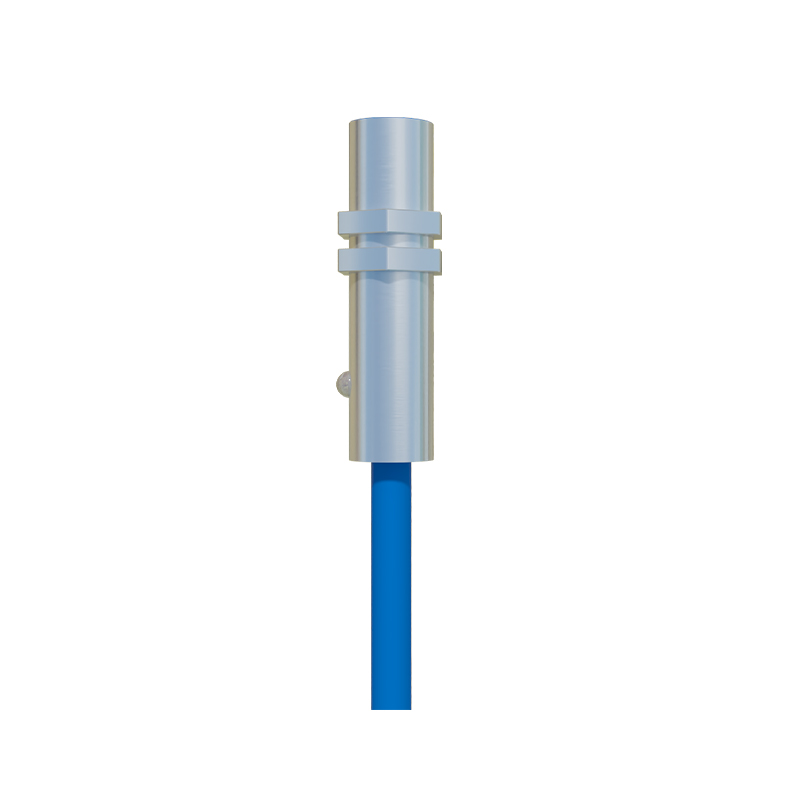
For applications requiring long-range detection or precise positioning, photoelectric sensors are the preferred choice. They operate by emitting a beam of light—visible red, infrared, or laser—and detecting its reflection or interruption. The three main types are through-beam (using separate emitter and receiver), retro-reflective (using a reflector), and diffuse (reflecting light directly off the target). These sensors excel in packaging, material handling, and assembly line counting where speed and distance are critical.
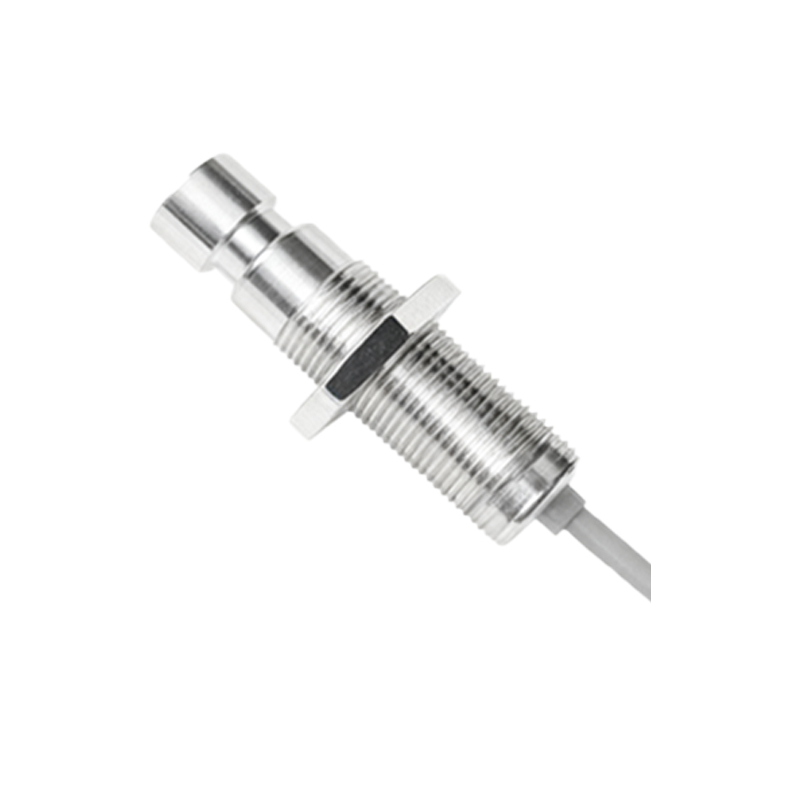
Ultrasonic proximity sensors complete the core family, using sound waves beyond human hearing. They measure the time taken for a high-frequency sound pulse to reflect off a target and return. This time-of-flight principle allows them to detect objects of virtually any material, shape, or color, and even measure distance accurately. They are invaluable in challenging conditions where optical sensors might fail, such as detecting transparent glass, measuring fill levels in dusty silos, or guiding automated vehicles.
The selection of a proximity sensor is a critical engineering decision, hinging on several factors. The nature of the target material is primary: metal, plastic, liquid, or transparent object. The required sensing distance, or nominal range, must be carefully matched to the application. Environmental conditions—temperature extremes, presence of chemicals, washdown requirements, or electrical noise—dictate the sensor's housing material and protection rating (e.g., IP67, IP69K). The output type, whether NPN or PNP transistor, normally open or normally closed, must interface correctly with the programmable logic controller (PLC) or other control systems.
The advantages of deploying proximity sensors are manifold. Their non-contact nature eliminates mechanical wear and tear, ensuring exceptional longevity and maintenance-free operation. They offer high switching speeds, enabling detection of fast-moving objects on high-speed production lines. Their solid-state construction provides remarkable resistance to vibration and shock. Furthermore, modern sensors integrate advanced diagnostics, such as IO-Link communication, providing real-time data on operational status, temperature, and signal strength for predictive maintenance.
In practice, these sensors are the workhorses of modern industry. On an automotive assembly line, an inductive sensor verifies the presence of an engine block. In a bottling plant, a capacitive sensor ensures a bottle is filled to the correct level. A photoelectric sensor counts boxes on a conveyor, while an ultrasonic sensor guides a robotic arm to pick a delicate component. Their role extends beyond factory floors to everyday life, enabling touchless faucets, automatic doors, and smartphone screen activation.
As Industry 4.0 and the Industrial Internet of Things (IIoT) evolve, proximity sensors are becoming smarter and more connected. Sensors with embedded intelligence can now communicate detailed process data, self-monitor for contamination or misalignment, and adjust their parameters automatically. This integration is pivotal for creating agile, data-driven, and highly efficient automated systems. From ensuring simple presence detection to enabling complex robotic guidance, proximity sensors remain fundamental, reliable, and ever-advancing components in the automated world, truly acting as its invisible guardians.