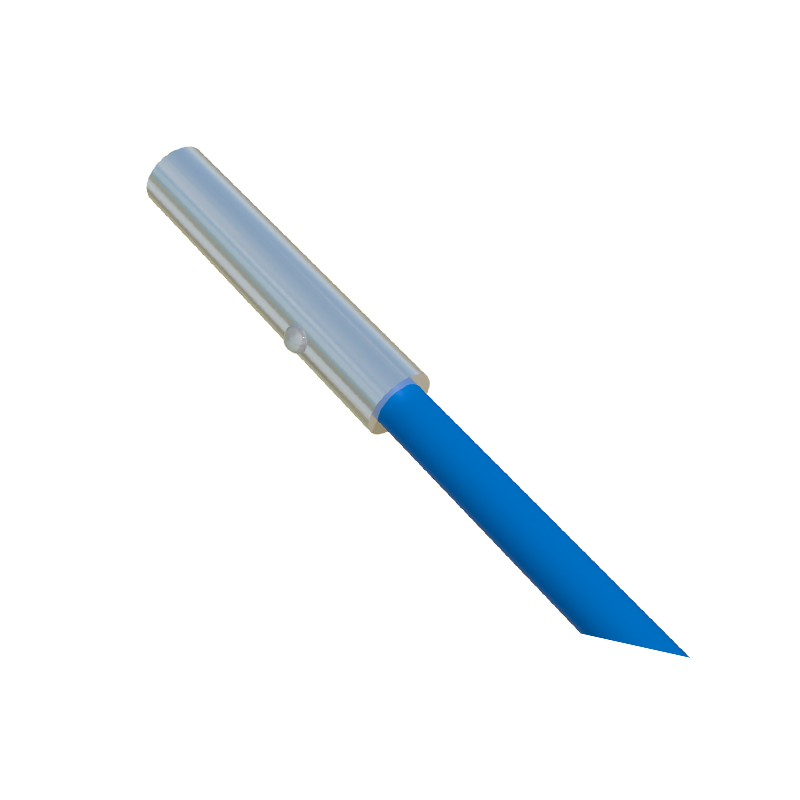
Magnetic proximity switch sensors are essential components in modern industrial automation, offering reliable non-contact detection of ferromagnetic objects. These sensors operate based on the Hall effect or magnetoresistive principles, generating a signal when a magnetic field from a target, such as a permanent magnet or ferrous metal, enters their sensing range. Widely used in manufacturing, automotive, and robotics, they excel in harsh environments due to their durability, immunity to dust, oil, and moisture, and ability to function without physical contact, reducing wear and maintenance.
There are several key types of magnetic proximity sensors. Reed switch sensors consist of two ferromagnetic reeds sealed in a glass tube, closing or opening a circuit when a magnetic field is applied; they are simple and cost-effective but have limited switching speed and mechanical life. Hall effect sensors use semiconductor elements to detect magnetic fields, providing high precision, fast response, and digital or analog outputs, ideal for position sensing and speed measurement in applications like motor control. Magnetoresistive sensors change resistance under magnetic influence, offering superior sensitivity and stability for precise angular or linear position detection. Additionally, anisotropic magnetoresistive (AMR) and giant magnetoresistive (GMR) variants provide advanced performance in demanding settings.
Selection criteria for magnetic proximity switches include sensing distance, which typically ranges from a few millimeters to over 50 mm, depending on the magnet strength and sensor type. Output configurations vary, with common options being NPN, PNP, NO (normally open), or NC (normally closed) outputs, compatible with PLCs and control systems. Environmental ratings are crucial; look for IP67 or higher for dust and water resistance, and robust housing materials like stainless steel or PBT plastic for extreme temperatures or corrosive conditions. Response time, often in microseconds, ensures high-speed operation, while voltage ranges (e.g., 5-30 VDC) must match the application's power supply.
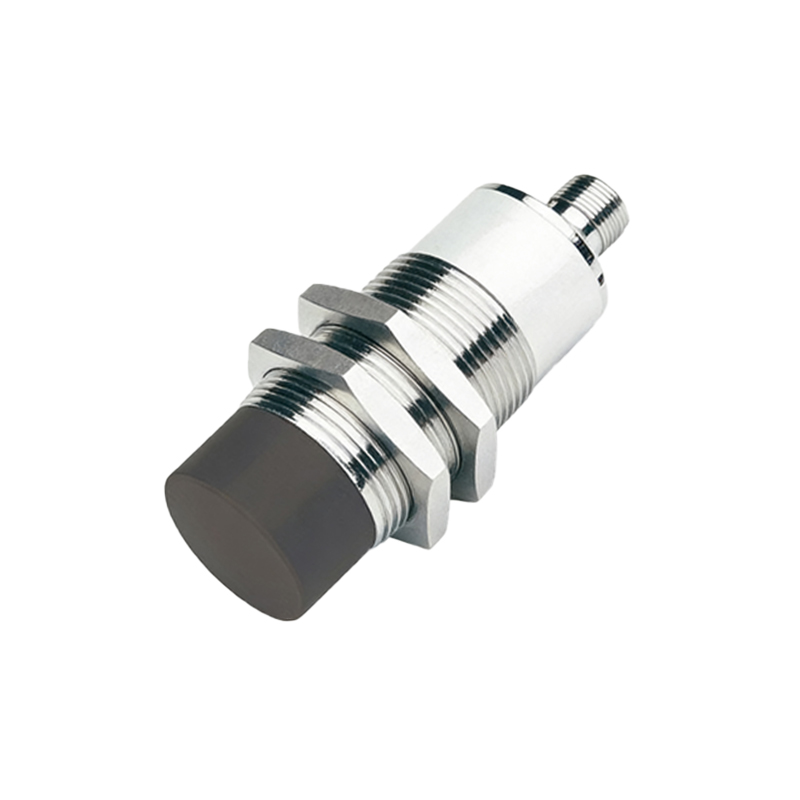
Installation and maintenance tips involve proper alignment between the sensor and target magnet to maximize efficiency, avoiding metal interference that can distort magnetic fields. Regular testing with a multimeter or diagnostic tools helps verify signal integrity, and cleaning sensor surfaces prevents false triggers. Common applications include detecting cylinder positions in pneumatic systems, monitoring conveyor belt movements, ensuring safety door closures, and counting rotations in encoders.
In summary, magnetic proximity switch sensors are versatile tools for automation, combining reliability with non-contact operation. By understanding their types, specifications, and best practices, engineers can optimize system performance and longevity in diverse industrial scenarios.