In modern industrial automation and precision measurement, laser sensors are indispensable tools, prized for their high accuracy, non-contact operation, and rapid response times. However, a common and often perplexing challenge faced by engineers and technicians is the occurrence of laser sensor reading fluctuations. These seemingly random variations in output data can compromise system reliability, reduce product quality, and lead to costly downtime. Understanding the root causes of these fluctuations and implementing effective mitigation strategies is crucial for maintaining optimal performance.
The primary factors contributing to laser sensor instability can be categorized into environmental, target-related, and sensor-inherent issues. Environmental interference is a leading cause. Airborne contaminants such as dust, smoke, or oil mist can scatter or absorb the laser beam, causing intermittent signal loss or amplitude variation. Similarly, ambient light, especially from high-intensity sources like welding arcs or direct sunlight, can flood the sensor's photodetector, creating noise that masks the true signal. Vibrations transmitted from machinery to the sensor or its mounting fixture can physically misalign the optical path, leading to erratic readings. Furthermore, significant temperature swings can affect the laser diode's wavelength and the electronics' performance, introducing drift and noise.
The characteristics of the target surface itself are equally critical. A perfectly diffuse, matte surface provides consistent backscatter, ideal for most sensors. Problems arise with specular (shiny), transparent, or highly absorptive materials. A glossy surface can reflect the beam away from the receiver unless the sensor is perfectly aligned. Transparent objects may allow the beam to pass through or create multiple reflection points. Even the color of the target can influence signal strength; dark colors absorb more light, potentially yielding a weaker return signal prone to noise. Surface texture variations, such as roughness or machining patterns, can also cause localized signal modulation as the sensor scans across them.

Sensor-related factors must not be overlooked. Over time, minor contamination on the sensor's front lens—a thin film of oil or dust—can attenuate the outgoing beam and the returning signal. Internal electronic noise, often more pronounced in cheaper or aged components, adds a layer of instability to the signal processing chain. Power supply irregularities, including voltage ripples or insufficient current, can directly impact the laser's output stability and the analog-to-digital conversion accuracy. Finally, selecting the wrong sensor type for the application (e.g., using a time-of-flight sensor for a highly reflective close-range target) is a fundamental error that guarantees poor performance.
Mitigation requires a systematic approach. Begin with optimal installation: ensure the sensor is securely mounted on a stable, vibration-damped platform and is correctly aligned perpendicular to the target surface, considering the ideal stand-off distance. Environmental controls are key. Use protective enclosures or air purges with clean, dry air to keep the lens clear of contaminants. Installing physical light barriers or hoods can shield the sensor from ambient light interference. For problematic targets, surface treatment can be a solution. Applying a matte spray or using a contrasting background plate behind transparent objects can create a consistent measurement surface.
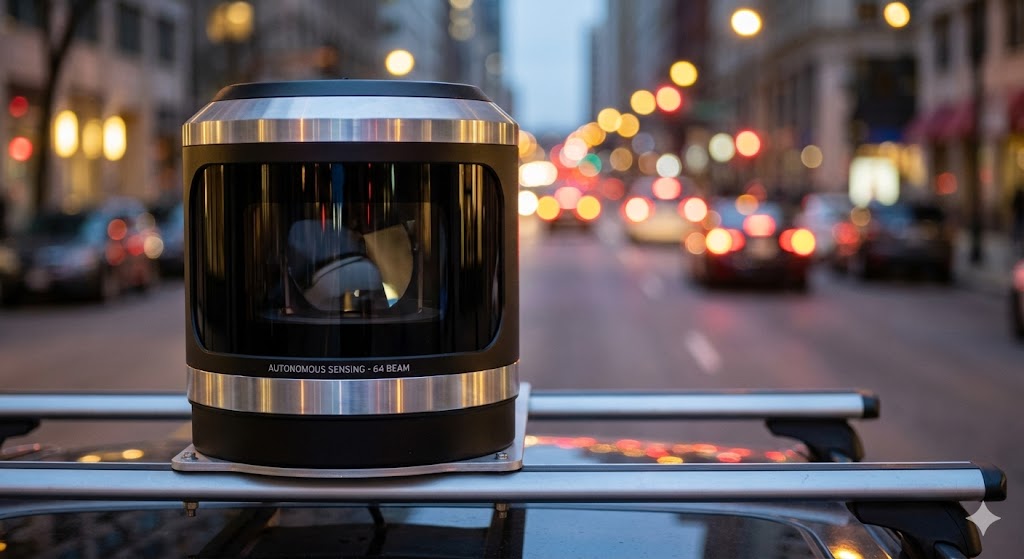
Sensor selection and configuration are paramount. Always choose a sensor with specifications (spot size, resolution, sampling rate) that match or exceed the application's requirements. Utilize built-in filtering functions judiciously. Most modern sensors offer digital filters (e.g., moving average, median filter) that can smooth out high-frequency noise, but excessive filtering can introduce unacceptable lag. Adjusting the response time or setting a stable "teaching" reference point can lock in a baseline. Implementing robust signal conditioning in the PLC or controller, such as debounce logic or outlier rejection algorithms, adds another layer of data validation.
Regular preventive maintenance is non-negotiable. Establish a schedule for inspecting and cleaning the sensor lens with appropriate materials. Periodically verify sensor calibration against a known master standard. Monitor power supply quality and check all cable connections for integrity, as loose connectors are a frequent source of intermittent faults.
In conclusion, laser sensor fluctuations are not an insurmountable mystery but a diagnosable engineering challenge. By methodically analyzing the interplay between environment, target, and sensor, and by applying targeted countermeasures—from proper installation and environmental hardening to intelligent sensor configuration and diligent maintenance—engineers can achieve the stable, reliable measurements that form the bedrock of precision automation and quality control. A proactive stance on understanding these dynamics transforms a potential source of frustration into a testament to system robustness.