In the world of industrial automation and machinery, proximity sensors play a crucial role in ensuring efficiency, safety, and precision. These non-contact detection devices are fundamental components in countless applications, from assembly lines and robotic systems to automotive manufacturing and packaging machinery. This video guide delves deep into the technology, types, and practical uses of proximity sensors, providing valuable insights for engineers, technicians, and industry professionals.
Proximity sensors are designed to detect the presence or absence of an object within a specific range without any physical contact. They achieve this by emitting an electromagnetic field, beam, or radiation and then monitoring for changes in the field or return signal. The primary advantage of this non-contact operation is the elimination of mechanical wear and tear, leading to increased reliability and longevity compared to traditional mechanical limit switches. Furthermore, they can detect a wide variety of materials, including metals, plastics, liquids, and even granular substances, depending on the sensor type.
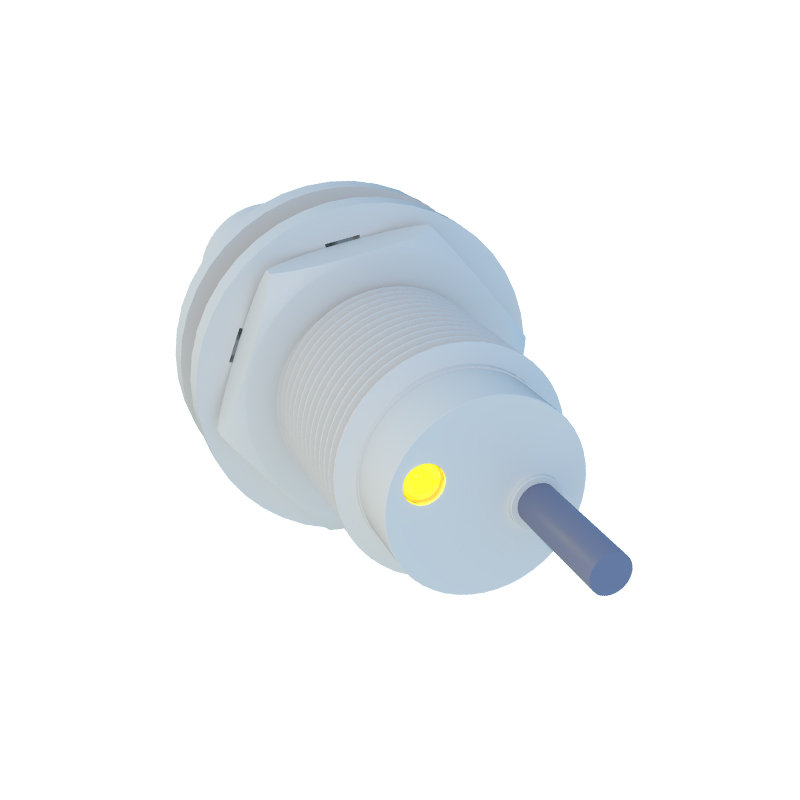
The most common categories of proximity sensors include inductive, capacitive, ultrasonic, and photoelectric sensors. Inductive proximity sensors are the workhorses for detecting metallic objects. They generate an oscillating electromagnetic field from a coil. When a ferrous or non-ferrous metal object enters this field, it induces eddy currents, causing a change in the oscillation amplitude. The sensor's circuitry detects this change and triggers a switching output. These sensors are highly reliable, resistant to environmental contaminants like dust and oil, and are ideal for harsh industrial environments.
Capacitive proximity sensors, on the other hand, can detect both metallic and non-metallic materials, including liquids, powders, and plastics. They function by generating an electrostatic field. Any object that enters this field alters the capacitance of the sensor's circuit, triggering the output. This makes them perfect for applications like level detection in tanks, material handling, and detecting non-metallic objects on conveyor belts.
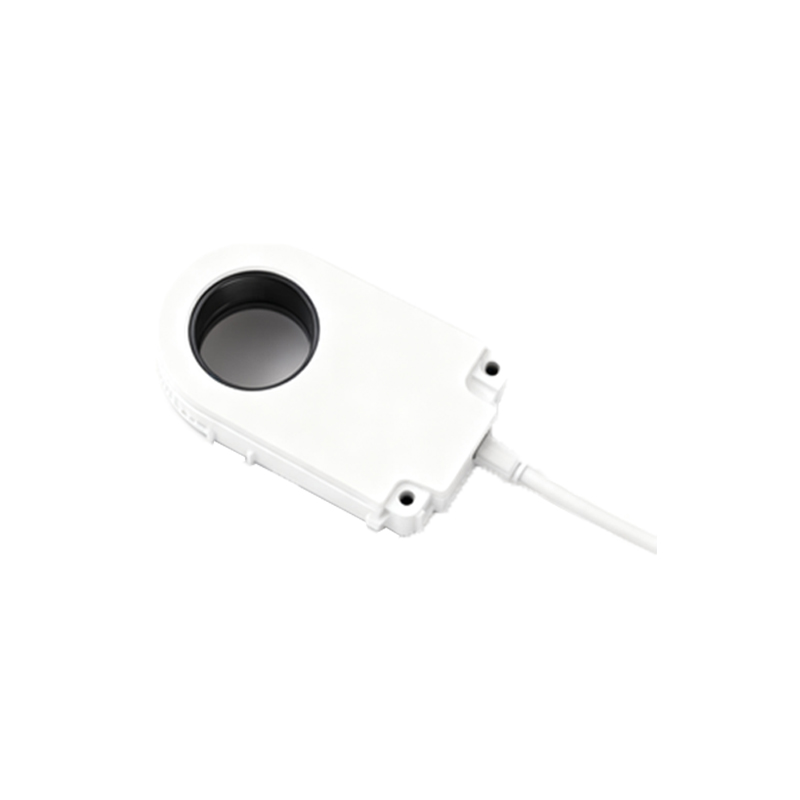
Ultrasonic sensors use sound waves beyond the human hearing range. They emit high-frequency sound pulses and measure the time it takes for the echo to return after bouncing off an object. This "time-of-flight" principle allows them to accurately measure distance and detect objects regardless of color, transparency, or material composition. They excel in challenging conditions with dust, fog, or varying light levels where photoelectric sensors might struggle.
Photoelectric sensors operate on the principle of light transmission. They consist of a light emitter (usually an LED) and a receiver. When the light beam is interrupted or reflected by an object, the receiver detects the change and activates the output. These sensors offer the longest sensing ranges and are highly versatile, with through-beam, retro-reflective, and diffuse reflective modes suitable for different applications, such as object counting, edge detection, and part positioning.
Selecting the right proximity sensor requires careful consideration of several factors. The target material is paramount; inductive sensors are for metals, capacitive for a broader range, and photoelectric/ultrasonic for virtually any solid. The required sensing distance, environmental conditions (temperature, humidity, potential washdowns), output type (PNP/NPN, analog, IO-Link), and electrical requirements are all critical decision points. This video guide provides clear comparisons and real-world application examples to aid in this selection process.
Installation and wiring are also covered in detail. Proper mounting, alignment, and electrical connection are essential for optimal performance. The video demonstrates common pitfalls, such as sensor mounting too close to metal surfaces (which can cause false triggering for inductive sensors) or improper alignment of photoelectric beams. Tips for shielding, grounding, and avoiding electrical noise interference in industrial panels are also discussed.
Finally, the guide explores advanced topics and future trends. This includes the integration of smart sensors with IO-Link communication, which allows for parameter setting, condition monitoring, and diagnostic data access directly from a controller. The growing role of proximity sensors in Industry 4.0 and the Industrial Internet of Things (IIoT) is highlighted, showcasing how sensor data contributes to predictive maintenance and overall equipment effectiveness (OEE).
In conclusion, proximity sensors are indispensable tools in modern industrial automation. Understanding their operating principles, strengths, and limitations is key to designing robust and efficient systems. This comprehensive video guide serves as an essential resource, empowering viewers to make informed choices and implement these sensors effectively in their applications, thereby enhancing productivity and operational safety.