Metal proximity sensors are essential components in modern industrial automation, offering reliable non-contact detection of metallic objects. This video guide delves into the operational principles, types, and practical applications of these sensors, providing a comprehensive overview for engineers and technicians.
The core technology behind metal proximity sensors involves electromagnetic fields. Inductive proximity sensors, the most common type, generate an oscillating electromagnetic field from a coil within the sensor. When a metallic object enters this field, eddy currents are induced on the metal's surface, causing a change in the oscillation amplitude. The sensor's circuitry detects this change and triggers an output signal, typically switching a solid-state or relay output. This entire process occurs without physical contact, making these sensors ideal for harsh environments where wear and tear or contamination are concerns.
Key types highlighted in the video include standard inductive sensors for ferrous metals (like iron and steel) and models specifically designed for non-ferrous metals (such as aluminum or copper). The distinction is crucial because different metals affect the electromagnetic field differently. Ferrous metals, being magnetic, generally allow for longer detection ranges. Specialized sensors for non-ferrous metals often operate at higher frequencies to achieve reliable sensing despite lower conductivity or magnetic permeability.
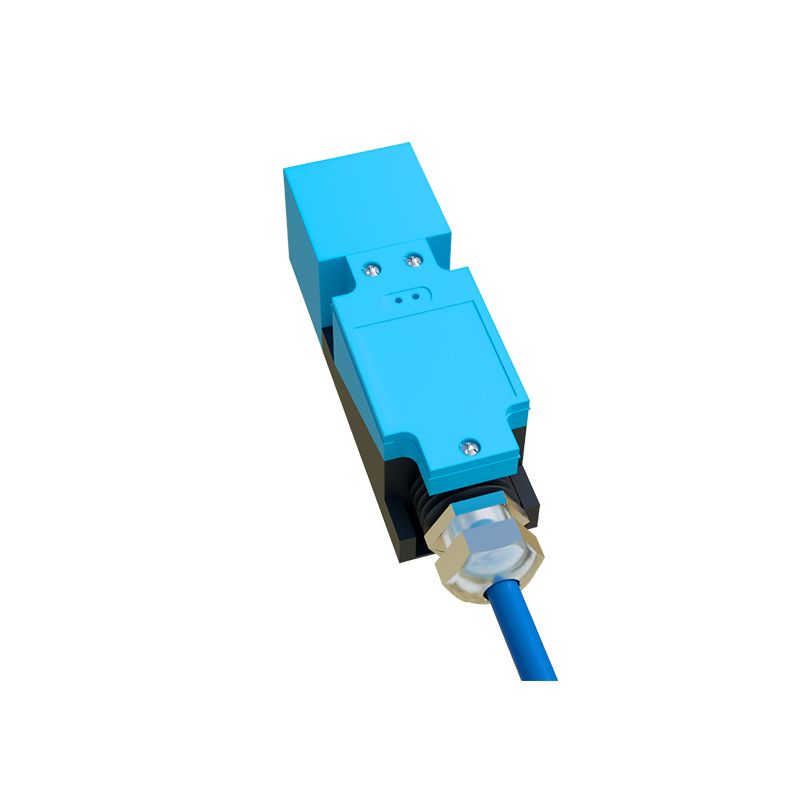
The video demonstrates typical installation scenarios, emphasizing the importance of correct mounting, sensing distance, and environmental factors. For instance, sensors must be positioned to avoid interference from surrounding metal structures—a phenomenon known as "shielding." The recommended practice is to maintain a clearance zone around the active sensing face. Applications range from simple object detection on conveyor belts to complex tasks like counting, positioning, and end-of-travel control in machinery. In automotive assembly lines, these sensors verify the presence of engine blocks; in packaging, they detect metal lids or foil seals.
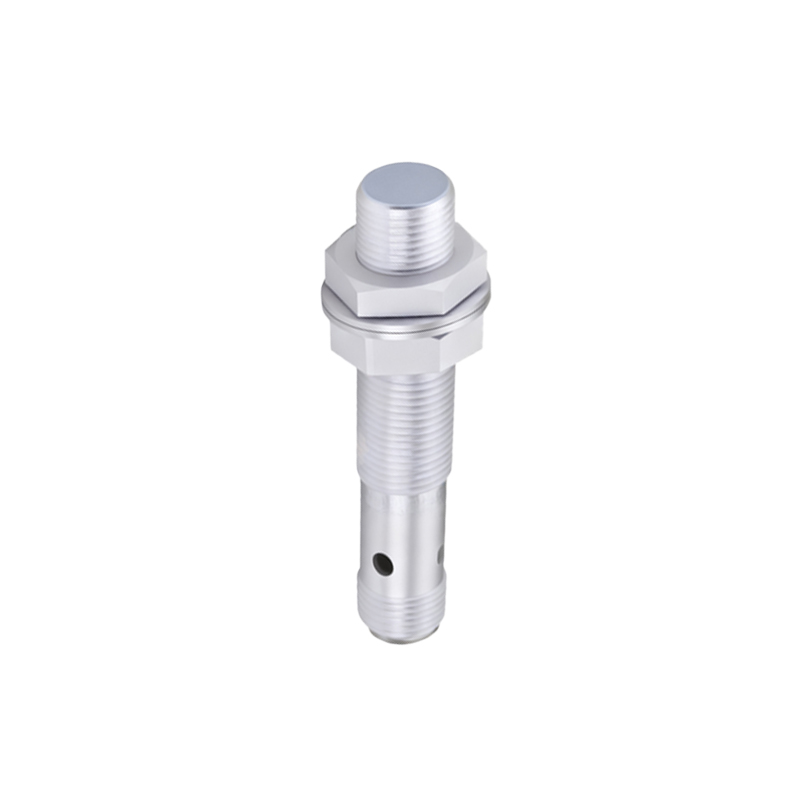
Performance characteristics such as switching frequency, repeat accuracy, and temperature resistance are also examined. High-speed sensors can detect objects at frequencies exceeding several kilohertz, suitable for rapid production lines. The video explains how housing materials (e.g., stainless steel or PBT plastic) and protection ratings (like IP67 for dust and water resistance) ensure durability in demanding conditions.
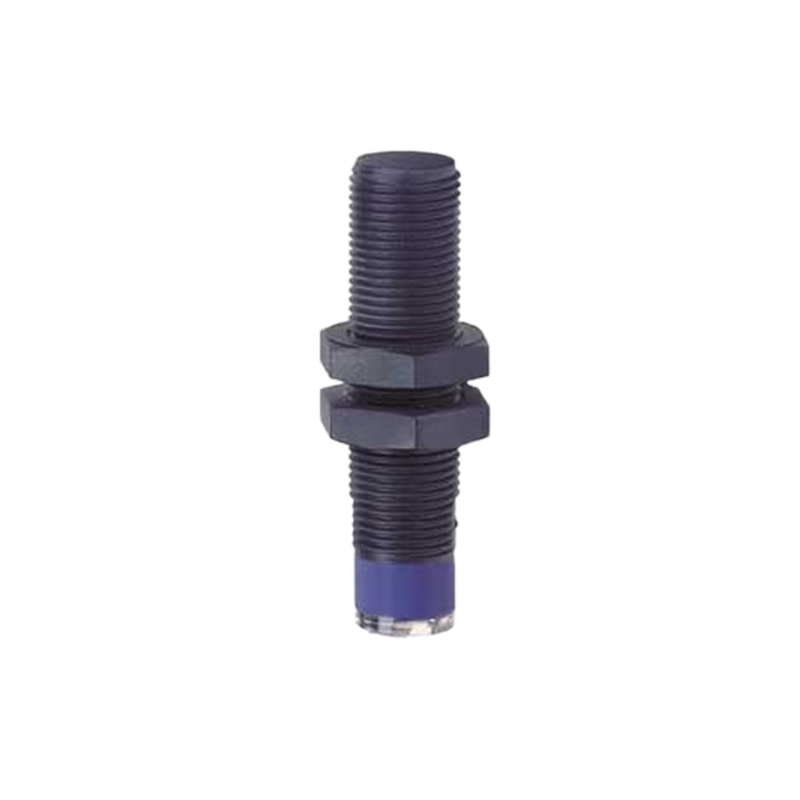
Troubleshooting common issues forms a practical segment. Viewers learn to diagnose problems like false triggering, which may stem from electrical noise or incompatible metals. The guide recommends using oscilloscopes to monitor output signals and checking wiring against manufacturer specifications. Regular maintenance involves cleaning the sensor face and verifying stable power supply voltages.
Advancements in sensor technology are briefly covered, including analog output sensors that provide continuous distance measurement and IO-Link enabled models for digital communication and parameterization within Industry 4.0 frameworks. These smart sensors can transmit data on operating status, enabling predictive maintenance and reducing downtime.
In summary, this video serves as both a foundational tutorial and a technical reference, illustrating why metal proximity sensors are indispensable in automation. Their ability to provide precise, wear-free detection underpins efficiency and safety across manufacturing, material handling, and robotics. Understanding their working principles empowers professionals to select, install, and maintain sensors effectively, optimizing system performance.