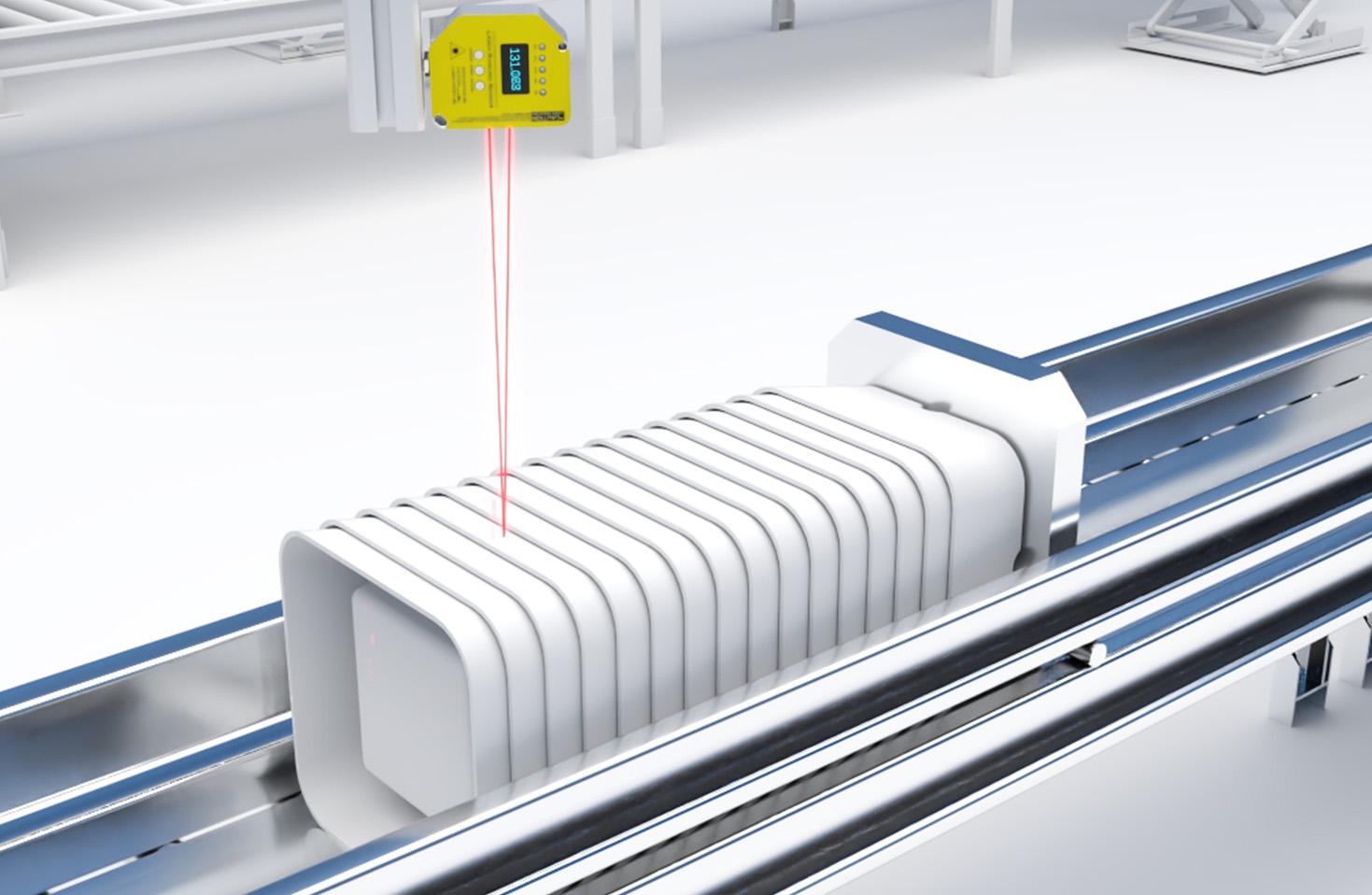
In the rapidly evolving landscape of automotive technology, laser navigation sensors have emerged as a cornerstone of advanced driver-assistance systems (ADAS) and autonomous driving. These sophisticated devices, often based on LiDAR (Light Detection and Ranging) technology, utilize laser pulses to create high-resolution, three-dimensional maps of a vehicle's surroundings. By emitting laser beams and measuring the time it takes for the light to reflect back from objects, these sensors can accurately detect distances, shapes, and velocities of obstacles, pedestrians, and other vehicles in real-time. This capability is critical for enabling features such as adaptive cruise control, automatic emergency braking, and lane-keeping assistance, which collectively enhance both safety and convenience on the road.
The operational principle of automotive laser navigation sensors hinges on their ability to generate precise point clouds—dense collections of data points that represent the environment. Modern LiDAR systems can achieve angular resolutions of less than 0.1 degrees and range accuracies within a few centimeters, even at distances exceeding 200 meters. This level of detail allows vehicles to navigate complex urban scenarios, such as intersections with multiple moving objects or poorly lit rural roads. Moreover, the integration of laser sensors with other technologies like radar, cameras, and ultrasonic sensors creates a robust sensor fusion framework, mitigating the limitations of any single modality. For instance, while cameras may struggle in low-light conditions, LiDAR maintains consistent performance, ensuring reliable perception across diverse driving environments.
From an engineering perspective, the design and implementation of laser navigation sensors involve several key challenges. Power consumption, size, and cost are primary considerations for mass-market adoption. Early LiDAR units were bulky and expensive, but recent advancements in solid-state LiDAR and MEMS (Micro-Electro-Mechanical Systems) have led to more compact, affordable, and energy-efficient solutions. These innovations are paving the way for widespread integration into consumer vehicles, not just luxury models. Additionally, environmental factors like rain, fog, or dust can scatter laser beams, potentially reducing sensor efficacy. Engineers address this through signal processing algorithms that filter out noise and enhance data clarity, ensuring dependable operation under adverse weather conditions.
Looking ahead, the future of automotive laser navigation is poised for transformative growth. The advent of 4D LiDAR, which adds velocity measurement to traditional 3D mapping, promises even greater situational awareness. Furthermore, the development of V2X (Vehicle-to-Everything) communication will enable laser sensors to share data with infrastructure and other vehicles, creating a cohesive ecosystem for smart mobility. As regulatory standards evolve and public trust in autonomous technology increases, laser navigation will play an indispensable role in shaping the next generation of transportation—making roads safer, reducing traffic congestion, and ultimately redefining the driving experience. For industry professionals, staying abreast of these trends is essential to driving innovation and maintaining competitiveness in a dynamic market.