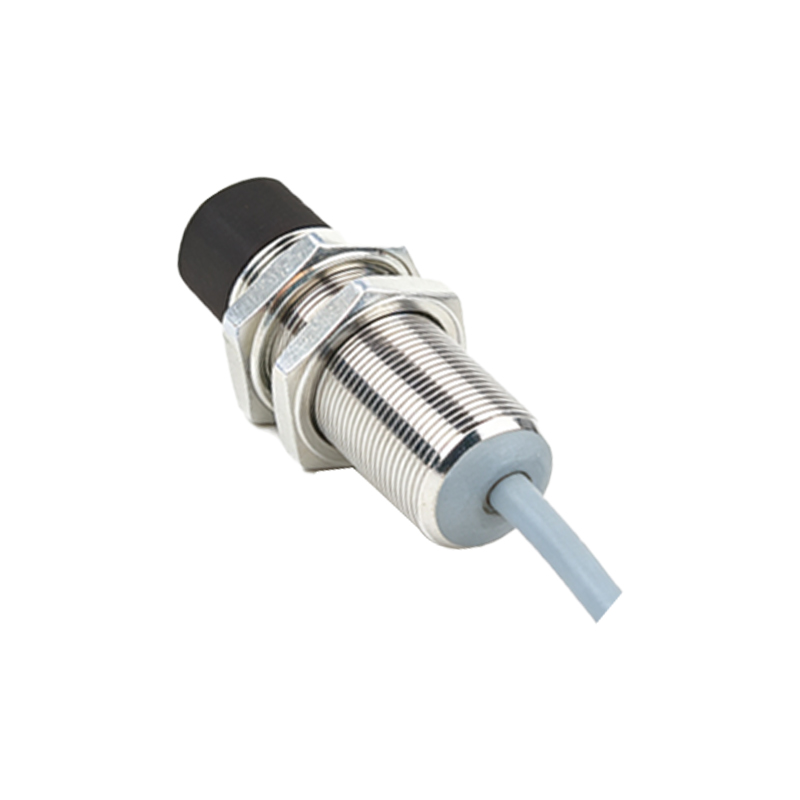
In the automated landscape of modern industry, proximity sensors serve as the silent sentinels, enabling precise, non-contact detection of objects. These devices are fundamental to countless processes, from assembly and packaging to robotics and material handling. Their ability to operate without physical contact ensures reliability, longevity, and high-speed performance in demanding environments. This article explores the primary types of proximity sensors, their underlying working principles, and key considerations for application-specific selection.
The most prevalent category is the inductive proximity sensor. Designed to detect metallic objects, typically ferrous metals like steel and iron, these sensors generate an electromagnetic field. When a metal target enters this field, it induces eddy currents within the target, causing a change in the sensor's oscillation amplitude. This change is detected by the internal circuitry, triggering a solid-state output signal. Inductive sensors are exceptionally robust, resistant to dust, oil, and moisture, making them ideal for harsh factory settings. Common applications include detecting the presence of a metal part on a conveyor, counting metallic components, or determining the position of a machine tool slide. Their limitation, of course, is their insensitivity to non-metallic materials.
For detecting non-metallic objects, capacitive proximity sensors are the tool of choice. They function by generating an electrostatic field. Any object, be it plastic, glass, wood, liquid, or even granular material, that enters this field alters its capacitance. The sensor monitors this change and switches its output state accordingly. This versatility allows capacitive sensors to solve unique challenges, such as monitoring fill levels of liquids or powders through a container wall, detecting the presence of a plastic bottle on a line, or sensing the level of wood chips in a hopper. They can be sensitive to environmental factors like humidity and require careful adjustment of their sensing distance.
Where precise position detection over a longer range is needed, photoelectric sensors offer a solution. These sensors consist of a light emitter (usually LED) and a receiver. They operate in three main modes. Through-beam sensors have separate emitter and receiver units; an object is detected when it interrupts the light beam. This mode offers the longest sensing range and high reliability. Retro-reflective sensors use a single unit and a reflector; detection occurs when the object breaks the reflected beam. Diffuse (proximity) sensors detect an object by receiving the light reflected directly from the target itself, with the sensing distance dependent on the target's color and reflectivity. Photoelectric sensors are excellent for detecting objects of any material, small part detection, and long-range applications, but they can be affected by ambient light, dust, and dirt on the lens.
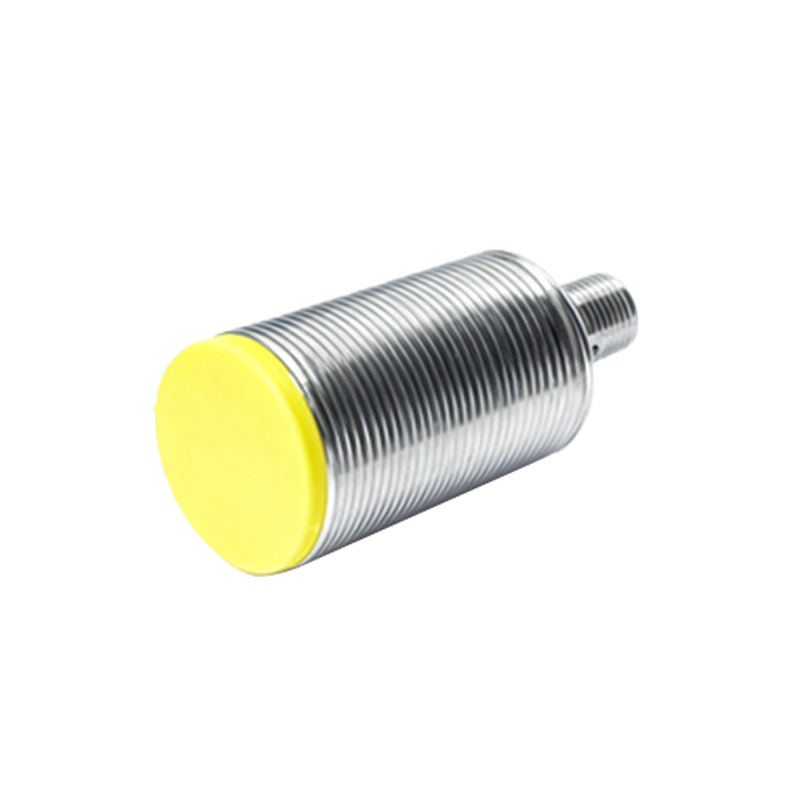
Magnetic proximity sensors, specifically reed switches or solid-state Hall effect sensors, are designed to detect the presence of a permanent magnet. They are simple, cost-effective, and used extensively for position sensing in pneumatic cylinders (where a magnet is embedded in the piston) to provide end-of-stroke feedback. They are also common in safety door interlocks and limit switches. Their operation is highly reliable and unaffected by non-ferrous materials or most environmental contaminants.
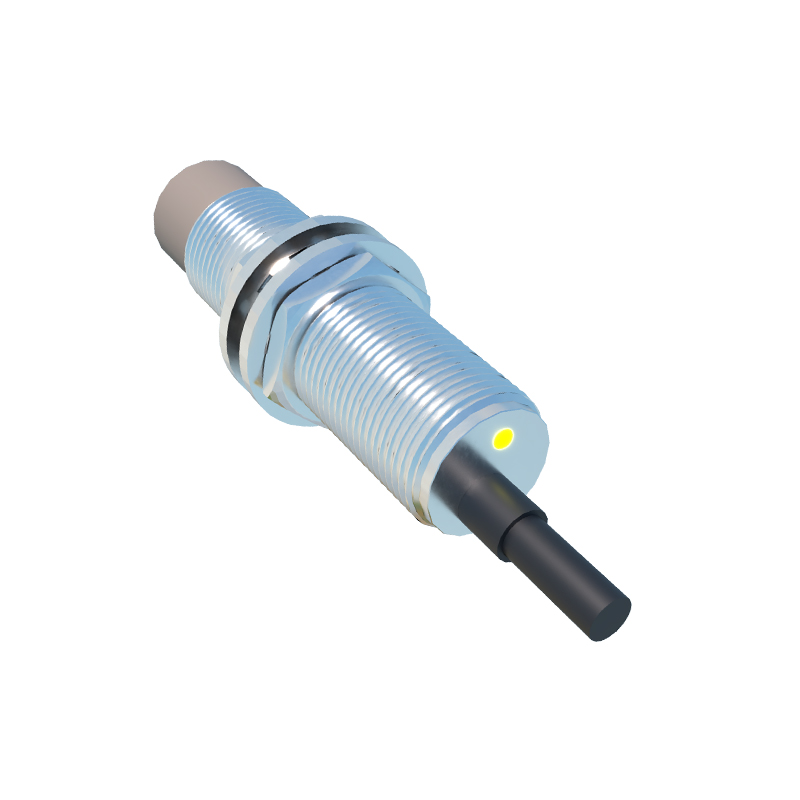
Ultrasonic sensors measure distance or detect presence by emitting high-frequency sound waves and evaluating the echo reflected from a target. They can detect virtually any material, regardless of color, transparency, or surface texture. This makes them perfect for challenging applications like clear glass detection, liquid level control in opaque tanks, bulk material level sensing, and even object profiling. They are less affected by dust, steam, or light interference but can be influenced by temperature variations and wind.
Selecting the right proximity sensor requires a careful analysis of the application parameters. Key factors include: the target material (metal, plastic, liquid), required sensing distance, environmental conditions (temperature, presence of washdown chemicals, dust, oil), output type needed (NPN/PNP, NO/NC, analog), switching frequency (speed), and electrical requirements. Understanding these variables ensures optimal performance, prevents premature failure, and maximizes system efficiency. As Industry 4.0 and the Industrial Internet of Things (IIoT) advance, modern proximity sensors are increasingly equipped with IO-Link communication, providing detailed diagnostic data, parameterization capabilities, and seamless integration into smart factory networks for predictive maintenance and enhanced process control.