In the rapidly evolving landscape of industrial automation, proximity sensors have become indispensable components, enabling precise detection, positioning, and control in manufacturing, robotics, and logistics. These non-contact sensors, which include inductive, capacitive, ultrasonic, and photoelectric types, are critical for ensuring efficiency, safety, and reliability in automated systems. However, selecting, integrating, and optimizing proximity sensors can be complex, requiring specialized knowledge of sensor technologies, environmental factors, and application-specific requirements. This is where proximity sensor consulting firms play a pivotal role, offering expert guidance to help businesses navigate technical challenges and achieve optimal performance.
Proximity sensor consulting firms provide a range of services tailored to the needs of industries such as automotive, aerospace, food and beverage, and pharmaceuticals. Their expertise begins with initial assessment and selection, where consultants evaluate factors like sensing range, material compatibility, temperature tolerance, and electrical specifications to recommend the most suitable sensor type. For instance, inductive sensors are ideal for detecting metallic objects in harsh environments, while capacitive sensors can handle non-metallic materials like plastics or liquids. By conducting thorough analyses, these firms help clients avoid costly mistakes, such as sensor misalignment or interference issues, which can lead to downtime and reduced productivity.
Beyond selection, consulting firms assist with system integration, ensuring that proximity sensors seamlessly interface with programmable logic controllers (PLCs), human-machine interfaces (HMIs), and other automation components. This involves designing custom mounting solutions, calibrating sensitivity settings, and implementing noise reduction techniques to prevent false triggers. In high-speed applications, such as conveyor systems or robotic assembly lines, precise sensor placement is crucial for maintaining throughput and accuracy. Consultants leverage simulation tools and prototyping to validate designs before full-scale deployment, minimizing risks and accelerating time-to-market.
Another key area of focus is troubleshooting and optimization. Even with proper installation, sensors may degrade over time due to wear, contamination, or changing operational conditions. Consulting firms offer diagnostic services to identify root causes of failures, such as electrical noise, mechanical vibration, or environmental factors like humidity and dust. They also provide training programs for maintenance teams, covering topics like calibration procedures, preventive maintenance, and data logging for predictive analytics. By adopting a proactive approach, businesses can extend sensor lifespan, reduce maintenance costs, and enhance overall system reliability.
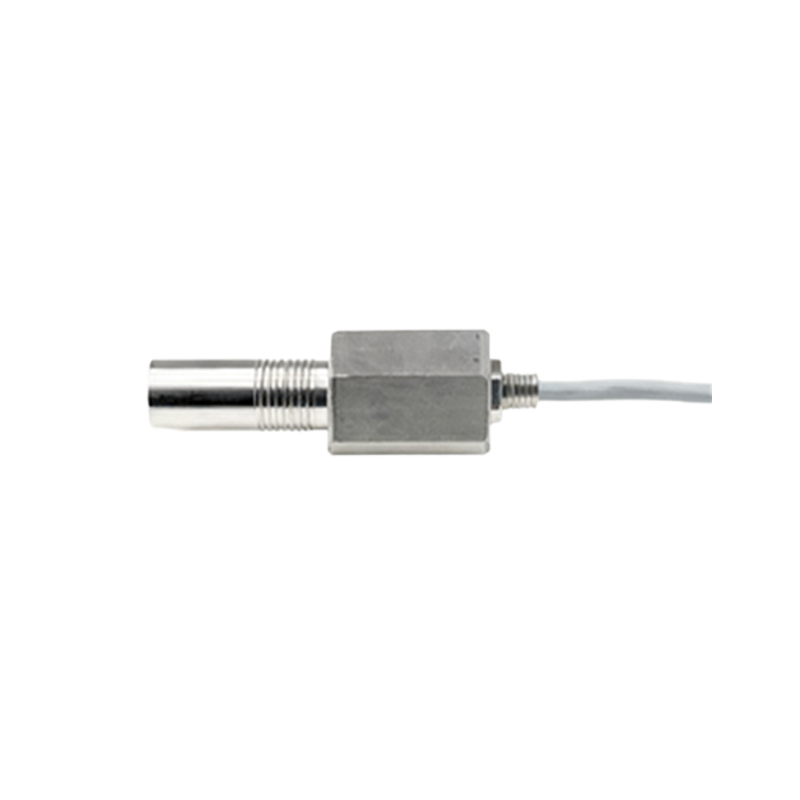
The value of proximity sensor consulting extends to emerging trends, such as the Industrial Internet of Things (IIoT) and smart manufacturing. Consultants help clients integrate sensors with IoT platforms, enabling real-time monitoring, data analytics, and remote diagnostics. For example, wireless proximity sensors can transmit data on machine health or production counts to cloud-based systems, facilitating predictive maintenance and operational insights. Additionally, with increasing emphasis on sustainability, consultants advise on energy-efficient sensor solutions and compliance with industry standards like ISO 13849 for safety or IEC 60947 for electrical performance.
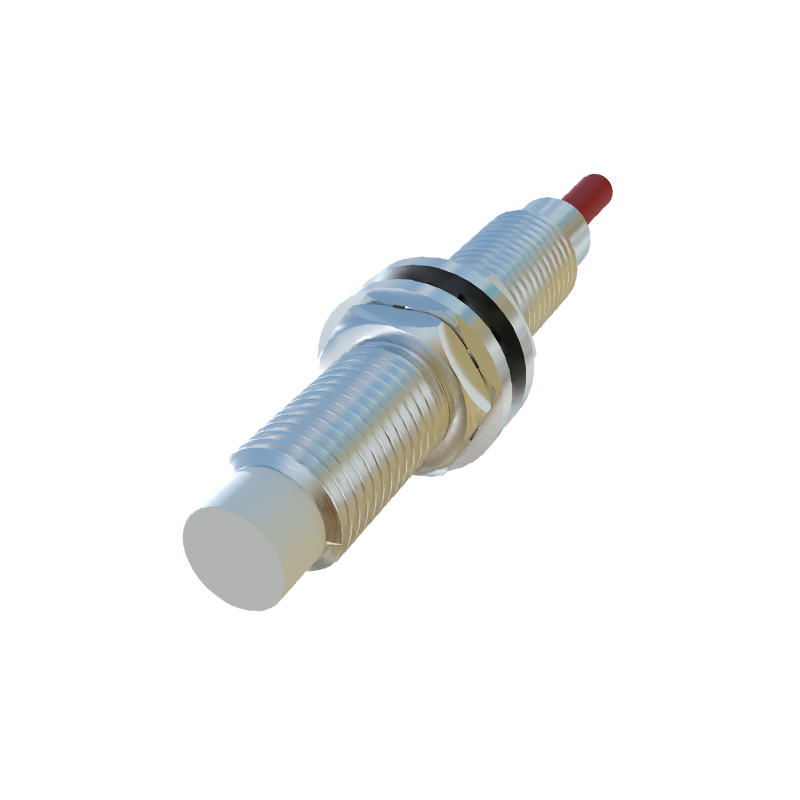
Choosing the right consulting firm requires careful consideration of their experience, technical capabilities, and industry reputation. Leading firms often have certifications in automation technologies and a track record of successful projects across diverse sectors. They should offer comprehensive support, from initial consultation to post-deployment services, ensuring long-term partnership and continuous improvement. As automation becomes more sophisticated, the role of these consultants will only grow, driving innovation and efficiency in proximity sensor applications.
In summary, proximity sensor consulting firms are essential partners for industries seeking to leverage automation for competitive advantage. By providing expert insights on sensor selection, integration, and optimization, they help businesses overcome technical hurdles, improve operational outcomes, and adapt to future technological shifts. Whether for a small-scale upgrade or a large-scale automation initiative, engaging with a specialized consultant can lead to smarter investments, enhanced safety, and sustained growth in the dynamic world of industrial automation.