In the realm of modern aviation, the Airbus A320 family stands as a cornerstone of short-to-medium-haul travel, renowned for its advanced avionics and reliable systems. Among its critical components, the proximity sensor system plays a pivotal role in ensuring operational safety and efficiency. Proximity sensors on the A320 are non-contact detection devices primarily used to monitor the position of various aircraft parts, such as landing gear, flaps, slats, and doors. These sensors provide essential feedback to the aircraft's flight control computers and cockpit displays, enabling pilots and maintenance crews to verify the correct configuration and status of movable surfaces.
The A320 typically employs inductive proximity sensors, which operate on the principle of electromagnetic induction. When a metallic target, like a landing gear lever or door actuator, comes within a specific range of the sensor's electromagnetic field, it induces eddy currents. This change alters the oscillation amplitude within the sensor, triggering a switch signal. This binary output—often indicating "open" or "closed," "extended" or "retracted"—is then transmitted via the aircraft's data buses to centralized systems like the Flight Warning Computer (FWC) and Electronic Centralized Aircraft Monitor (ECAM). For instance, during pre-flight checks, sensors confirm that all doors are securely closed; if a sensor malfunctions, it may trigger a misleading warning, necessitating thorough troubleshooting.
Installation and calibration of these sensors are precise tasks. They must be mounted at exact distances from their targets to ensure accurate detection without false triggers from vibration or temperature variations common in flight. Maintenance procedures, as outlined in the Aircraft Maintenance Manual (AMM), require regular inspections for physical damage, corrosion, or loose connections. Technicians use specialized test equipment to verify sensor output against specified thresholds. Given the harsh operating environment—subject to extreme temperatures, moisture, and mechanical stress—sensors are designed to meet stringent DO-160 standards for environmental robustness.
Common issues with A320 proximity sensors include signal drift due to wear, contamination from fluids like hydraulic oil, or electromagnetic interference from nearby systems. For example, a faulty landing gear sensor might cause erroneous indications on the ECAM, potentially leading to operational delays. Troubleshooting often involves accessing the sensor via the aircraft's built-in diagnostic systems, followed by continuity checks and resistance measurements. Spare parts must be certified to original equipment manufacturer (OEM) specifications to maintain system integrity.
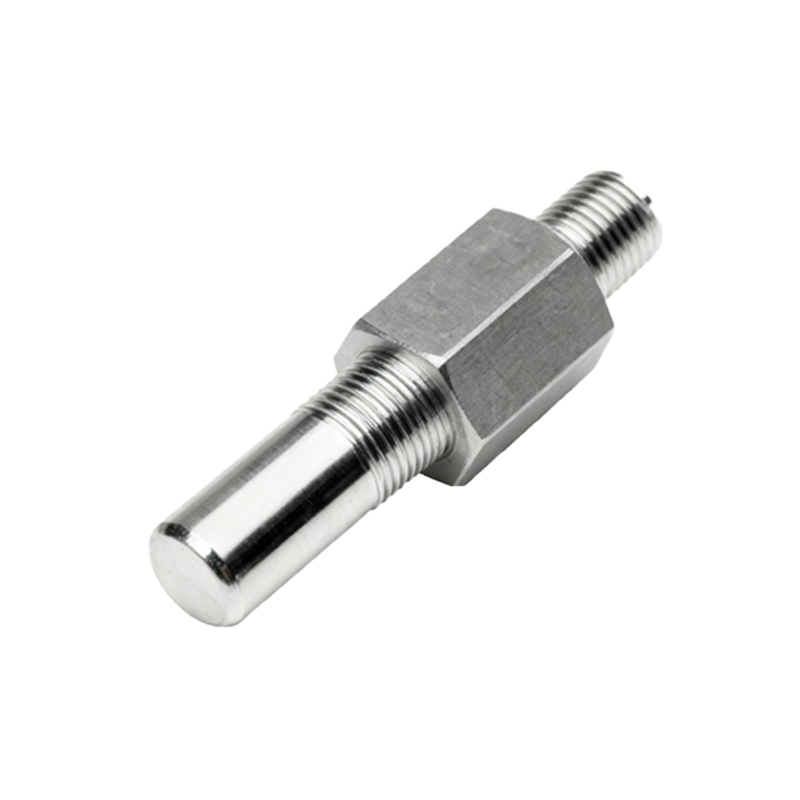
From an engineering perspective, the integration of proximity sensors into the A320's digital architecture highlights the shift toward more automated monitoring. These sensors contribute to predictive maintenance strategies, where data trends can forecast failures before they occur. As aviation evolves with next-generation aircraft, proximity sensing technology continues to advance, incorporating features like enhanced durability and smarter diagnostics. For aviation professionals, a deep understanding of these components is crucial for ensuring the A320's legendary reliability and safety.
In summary, the proximity sensor system in the Airbus A320 is a vital yet often overlooked element that supports safe flight operations. Its design, based on proven inductive technology, provides reliable real-time data for critical aircraft functions. Regular maintenance and adherence to technical protocols are essential to prevent faults. As engineers and technicians, staying updated with the latest manuals and advancements ensures these sensors perform optimally, upholding the high standards of the aviation industry.
