Proximity sensors are indispensable components in modern industrial automation, providing non-contact detection of objects without physical interaction. These devices operate based on various physical principles, each suited to specific applications and environmental conditions. Understanding their working mechanisms is crucial for engineers designing reliable and efficient automated systems.
Inductive proximity sensors are among the most common types, primarily used for detecting metallic objects. They consist of an oscillator circuit that generates a high-frequency electromagnetic field around the sensor's active surface. When a metallic object enters this field, eddy currents are induced in the object, causing a change in the oscillator's amplitude. This change is detected by a threshold circuit, which triggers an output signal. Inductive sensors are ideal for harsh industrial environments due to their robustness and immunity to dust, oil, and moisture. Typical sensing ranges vary from a few millimeters to about 60 millimeters, depending on the sensor size and target material.
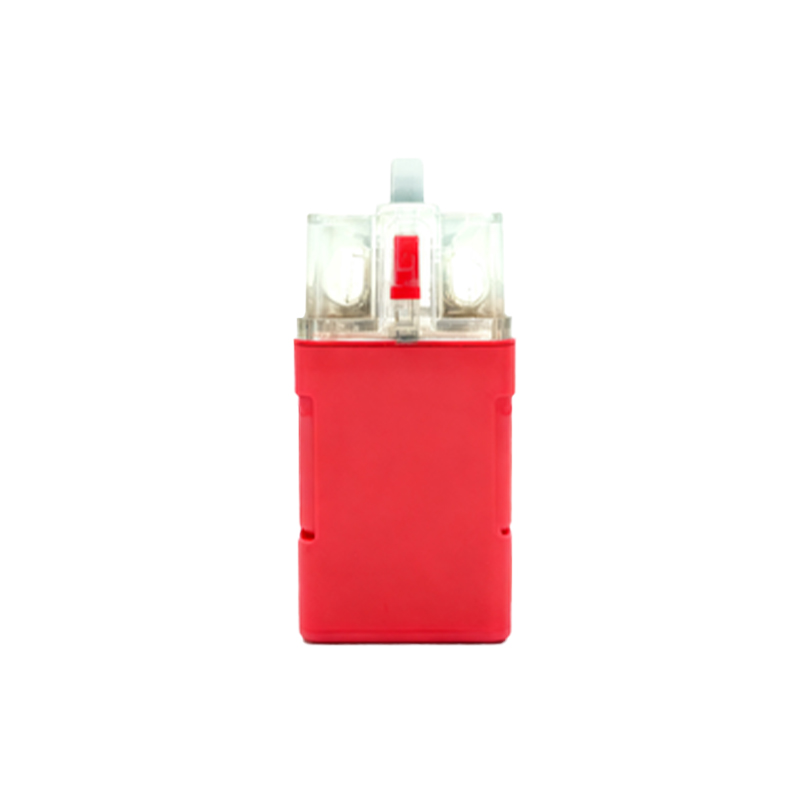
Capacitive proximity sensors, on the other hand, can detect both metallic and non-metallic objects, including liquids, plastics, and wood. They function by generating an electrostatic field between two electrodes. When an object enters this field, it alters the capacitance between the electrodes, leading to a change in the oscillator's frequency or amplitude. This change is processed to activate the output. Capacitive sensors are often used in level detection, material handling, and presence sensing of non-metallic materials. However, they can be sensitive to environmental factors like humidity and temperature, requiring careful calibration.
Magnetic proximity sensors utilize a reed switch or Hall effect element to detect the presence of a magnetic field, typically from a permanent magnet. In reed switch sensors, two ferromagnetic reeds are sealed in a glass tube filled with inert gas. When a magnet approaches, the reeds attract each other and close the electrical circuit. Hall effect sensors generate a voltage proportional to the magnetic field strength when exposed to a magnet. These sensors are highly reliable for position sensing in cylinders, valves, and safety applications, offering long operational life and resistance to contamination.
Ultrasonic proximity sensors employ sound waves beyond human hearing (usually above 20 kHz) to detect objects. They contain a transducer that emits ultrasonic pulses and listens for echoes reflected from a target. By measuring the time delay between emission and reception, the sensor calculates the distance to the object. Ultrasonic sensors are versatile, capable of detecting various materials regardless of color or transparency, and are used in distance measurement, object counting, and liquid level control. However, they may be affected by temperature variations and acoustic interference.
Photoelectric sensors use light beams to detect objects. They comprise a light source (often LED) and a receiver. When an object interrupts or reflects the light beam, the receiver detects the change and triggers an output. These sensors are categorized into through-beam, retro-reflective, and diffuse-reflective types, each with distinct advantages. Photoelectric sensors offer long sensing ranges and high precision, making them suitable for packaging, assembly, and inspection systems. However, they can be influenced by ambient light, dust, or fog.
In industrial applications, selecting the right proximity sensor depends on factors such as target material, sensing distance, environmental conditions, and required response time. Engineers must consider electrical specifications like output type (PNP/NPN), voltage ratings, and protection classes (e.g., IP67 for dust and water resistance). Regular maintenance, including cleaning and calibration, ensures longevity and accuracy.
Advancements in sensor technology have led to smart sensors with integrated diagnostics and communication capabilities, such as IO-Link, enabling predictive maintenance and enhanced system integration. As Industry 4.0 evolves, proximity sensors will continue to play a critical role in enabling automation, improving safety, and optimizing production efficiency. By mastering their principles, engineers can design smarter, more responsive industrial systems that meet the demands of modern manufacturing.