In the realm of modern electronics, proximity sensors have become indispensable components, particularly in screen display technology. These sensors, often integrated into smartphones, tablets, laptops, and automotive displays, enable devices to detect the presence or absence of nearby objects without physical contact. The underlying principle hinges on various technologies, with infrared (IR) and capacitive sensing being the most prevalent.
Infrared proximity sensors operate by emitting an IR beam from an LED and measuring the intensity of the reflected light using a photodetector. When an object, such as a user's face during a phone call, approaches the screen, the sensor detects the change in reflection and signals the device to turn off the display. This not only conserves battery power but also prevents accidental touch inputs. The IR method is favored for its reliability in diverse lighting conditions and cost-effectiveness. However, it can be susceptible to interference from ambient IR sources, such as sunlight or other electronic devices.
Capacitive proximity sensors, on the other hand, function by detecting changes in an electrical field. These sensors consist of electrodes that generate a low-voltage field around the screen. When a conductive object, like a human hand, enters this field, it alters the capacitance, triggering the sensor. This technology is highly sensitive and allows for precise detection, making it ideal for features like automatic screen brightness adjustment or gesture control. Capacitive sensors are commonly used in touchscreens, where they enhance responsiveness and user experience by anticipating interactions.
The integration of proximity sensors into displays has led to significant advancements in energy efficiency and user interface design. For instance, in smartphones, sensors enable features like "pocket mode," which prevents unintended screen activations when the device is stored. In automotive applications, they contribute to safety by dimming dashboard displays when not in use, reducing driver distraction. Moreover, the development of time-of-flight (ToF) sensors, which measure the time taken for light to reflect back, offers even greater accuracy for applications like facial recognition and augmented reality.
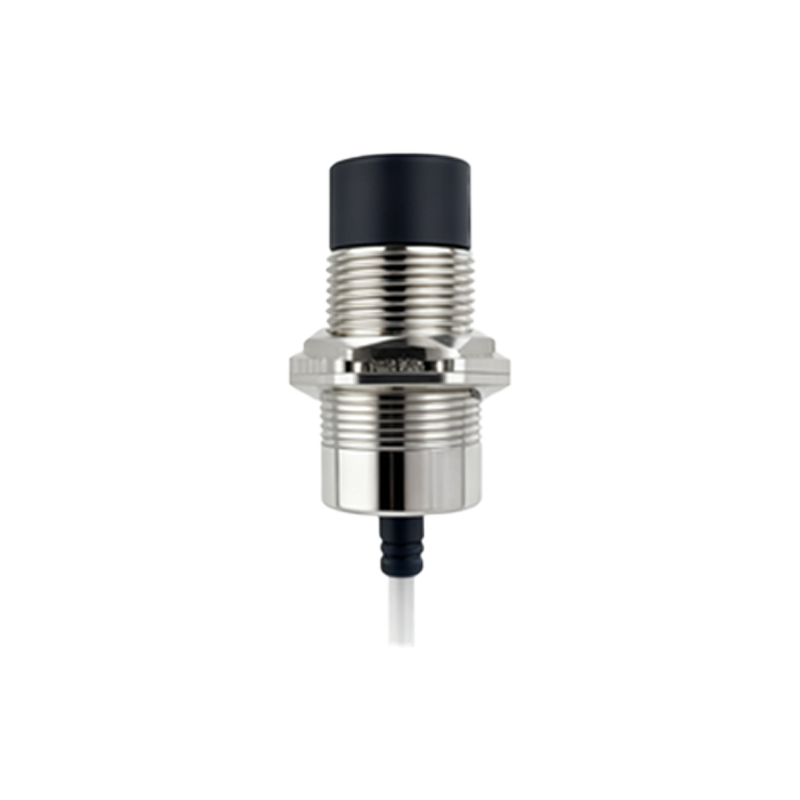
Despite their benefits, challenges remain in optimizing proximity sensors for all environments. Factors such as sensor placement, material interference, and power consumption require careful engineering. Innovations like multi-sensor fusion, combining IR and capacitive data, are emerging to improve robustness. As screen technology evolves toward foldable and flexible displays, proximity sensors must adapt to new form factors, ensuring seamless functionality across devices.
In summary, proximity sensors are pivotal in enhancing screen display performance through non-contact detection. By leveraging IR or capacitive principles, they enable smarter, more efficient devices that respond intuitively to user presence. Ongoing research aims to refine sensitivity, reduce size, and expand applications, solidifying their role in the future of interactive electronics.