In the realm of industrial automation, the precise setting and calibration of proximity sensor detection lengths is a critical parameter that directly impacts system reliability, safety, and efficiency. Unlike simple on/off switching, modern inductive, capacitive, and ultrasonic proximity sensors offer adjustable sensing ranges. Mastering length setting is therefore not merely an installation step but a fundamental engineering task.
The concept of "length" in this context primarily refers to the nominal sensing distance (Sn), as defined by international standards like IEC 60947-5-2. This is the rated operating distance at which the sensor is guaranteed to switch under specified conditions. However, the effective operating distance (Sr) in a real-world setup is often different. The key to precise length setting lies in understanding and compensating for the factors that cause this discrepancy.
Several critical variables influence the actual sensing performance. For inductive sensors, the target material is paramount. A sensor calibrated for mild steel will have a reduced effective range for stainless steel, aluminum, or copper. The standard Sn is typically given for a 1mm thick, square mild steel target (Fe360). Engineers must consult correction factors (often 0.5 for stainless steel, 0.4 for aluminum, 0.3 for copper) and adjust the mounting position or sensitivity potentiometer accordingly. Target shape and size also matter; a target smaller than the sensor's sensing face or an unusually shaped object can significantly shorten the detectable range.
Environmental conditions impose another layer of complexity. Temperature fluctuations can cause thermal drift in electronic components, slightly altering the oscillation amplitude in inductive sensors or signal timing in ultrasonic ones. While high-quality sensors have built-in temperature compensation, extreme environments necessitate derating. The presence of contaminants like metal dust, cutting fluid, or oil can coat the sensor face, attenuating signals. In such cases, selecting a sensor with a flush-mounted design or a protective foil becomes part of the effective "length setting" strategy.
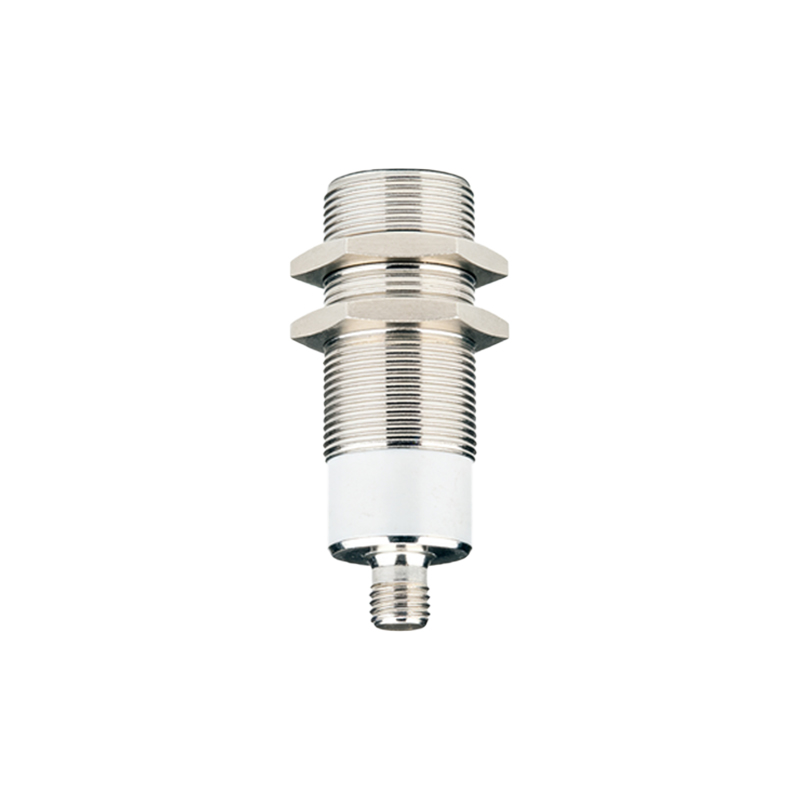
Electrical noise from variable frequency drives (VFDs), welding equipment, or high-current cables can induce false triggering. Precise length setting here involves not just the physical distance but ensuring a stable electrical threshold. This often requires using shielded cables, proper grounding practices, and sensors with robust noise immunity ratings. Voltage supply variations can also affect the sensor's switching point; a stable, regulated power supply is a non-negotiable prerequisite for consistent performance.
The practical procedure for setting the detection length follows a methodical approach. First, always refer to the manufacturer's datasheet for the exact Sn and adjustment specifications. During installation, use the actual target material and geometry for testing. Many sensors feature a potentiometer or teach-in function for fine-tuning. The golden rule is to set the effective operating distance (Sr) to approximately 80% of the nominal sensing distance (Sn) under ideal test conditions. This 20% safety margin, or "derating," accounts for unforeseen variables like part tolerances, mechanical vibration, and long-term wear. For example, if a sensor has an Sn of 10mm, aim for a reliable detection at 8mm from the target. This buffer zone prevents erratic operation due to minor misalignments or buildup on the sensor face.
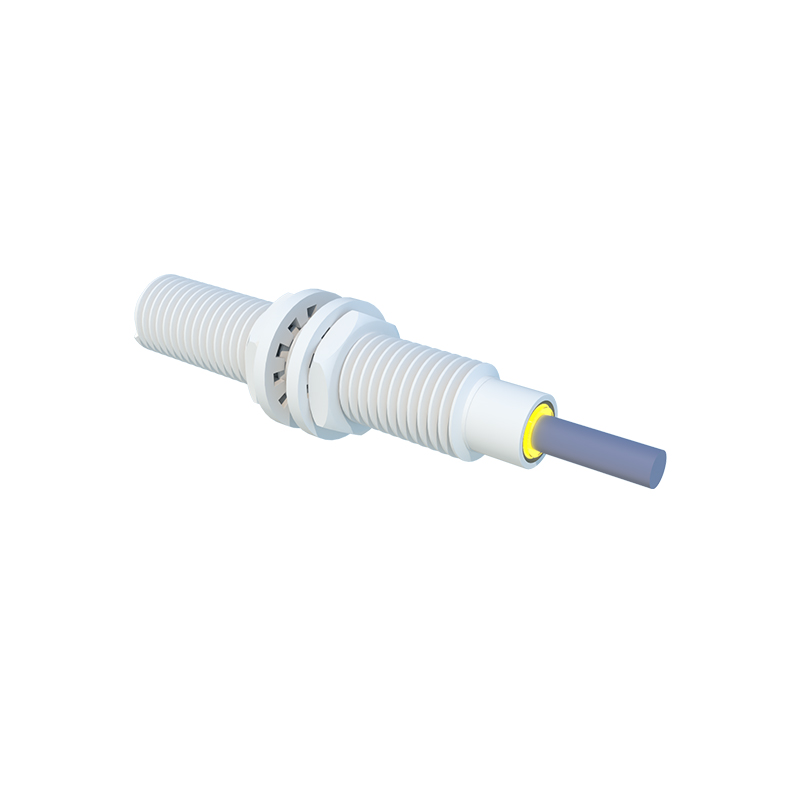
Advanced diagnostic tools are invaluable. An oscilloscope can monitor the sensor's analog output signal (if available) to see the exact amplitude change as the target approaches, allowing for micrometer-level precision in setting the switch point. Some smart sensors with IO-Link or analog outputs provide real-time data on the signal strength, enabling predictive maintenance by tracking the gradual degradation of the sensing margin.
In applications like high-speed packaging, robotic pick-and-place, or precision assembly, a miscalibrated sensing length can lead to missed detections, double feeds, or collisions. Conversely, a sensor set too sensitively may trigger on background objects or even its own mounting bracket, causing nuisance faults and downtime. The consequences extend beyond productivity; in safety-critical applications like machine guarding or elevator door control, precise and fail-safe length setting is legally mandated.
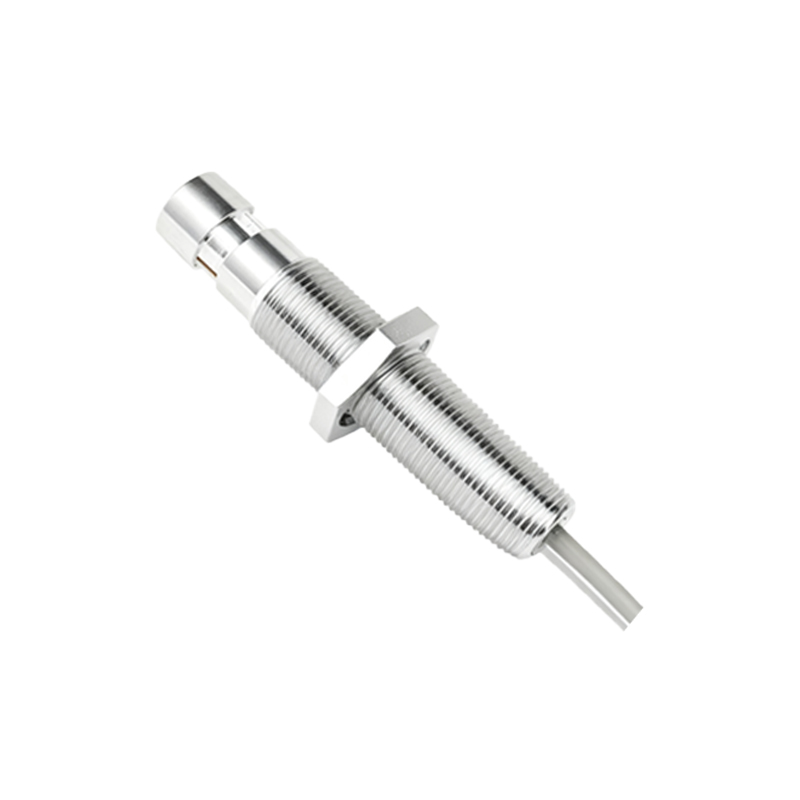
Ultimately, precise proximity sensor length setting is a synthesis of theoretical knowledge and empirical adjustment. It demands an understanding of sensor physics, environmental interplay, and application-specific requirements. By rigorously applying derating factors, leveraging modern diagnostic capabilities, and adhering to a disciplined calibration protocol, engineers can ensure these ubiquitous devices perform with the exactitude that modern automated systems demand. The goal is to achieve not just detection, but reliable, repeatable, and robust detection over the entire lifecycle of the equipment.