In the rapidly evolving landscape of electronic sensing, CMOS proximity capacitive image sensors have emerged as a pivotal technology, bridging the gap between traditional touch interfaces and more sophisticated spatial awareness. Unlike conventional optical image sensors that capture light, these devices detect minute changes in capacitance caused by the proximity or touch of an object, typically a human finger. The core principle hinges on a two-dimensional array of capacitive sensing elements (pixels) fabricated using standard Complementary Metal-Oxide-Semiconductor (CMOS) processes. Each pixel functions as a tiny capacitor. When a conductive object, such as a finger, approaches the sensor surface, it distorts the local electrostatic field, altering the capacitance of the nearby pixels. This change is measured by on-chip circuitry, which converts the capacitive variation into a digital value. The aggregate data from the pixel array forms a "capacitive image" or a proximity map of the object.
The architecture of a modern CMOS capacitive image sensor is a marvel of integration. It typically includes the sensor array, analog front-end for signal conditioning, analog-to-digital converters (ADCs), and digital control logic—all monolithically integrated on a single chip. This high level of integration, inherent to CMOS technology, results in compact, low-power, and cost-effective solutions. Advanced designs employ techniques like shielding to mitigate noise, driven shielding to increase sensitivity, and sophisticated scanning algorithms to efficiently capture data. The resolution of these sensors, defined by the pitch and number of capacitive pixels, determines the fineness of the detected features, enabling applications from simple touch detection to complex gesture recognition.
The applications for CMOS proximity capacitive image sensors are vast and growing. The most ubiquitous application remains in touchscreens for smartphones, tablets, and automotive infotainment systems, where they provide reliable multi-touch input. Beyond simple touch, they enable proximity sensing, allowing devices to wake up or turn off displays when a user approaches or moves away, conserving power. In the automotive sector, they are integrated into steering wheels and center consoles for touch-sensitive controls, improving safety by allowing drivers to keep their eyes on the road. Another significant application is in biometric security, particularly for fingerprint recognition. High-resolution capacitive sensors can map the ridges and valleys of a fingerprint with great accuracy, providing a secure authentication method in mobile devices and access control systems. Emerging applications include touchless interfaces (using precise proximity sensing), moisture detection, and even non-destructive testing in industrial settings.
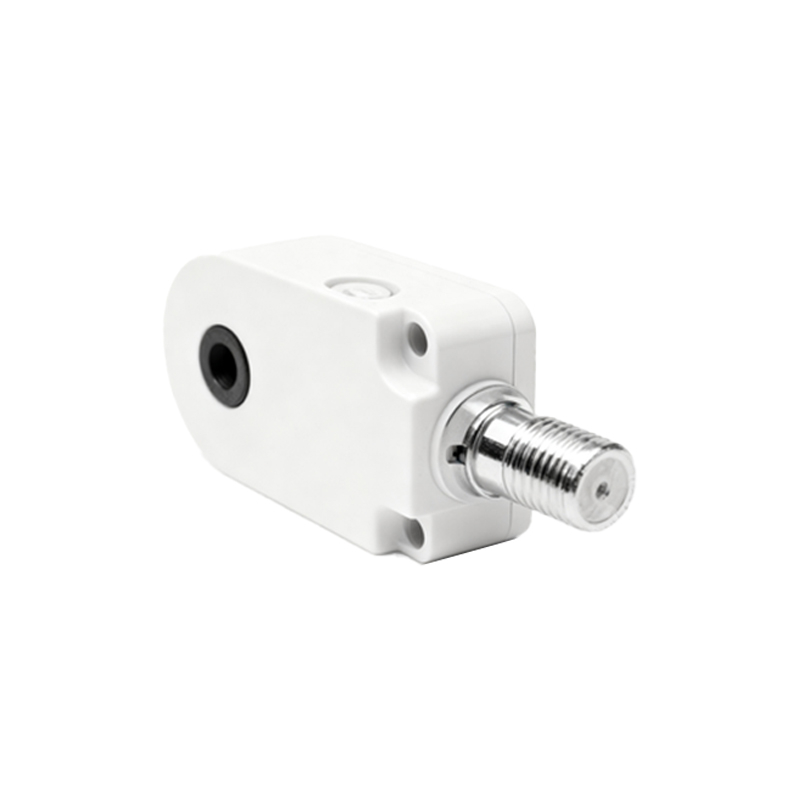
When compared to other sensing modalities, CMOS capacitive sensors offer distinct advantages. They are generally more durable and reliable than mechanical buttons, as there are no moving parts to wear out. They perform consistently in various lighting conditions, unlike optical sensors which struggle in darkness or bright light. They also consume less power than camera-based systems for simple presence or gesture detection. However, challenges persist. Sensitivity to environmental factors like temperature and humidity can affect performance. They can only detect conductive or dielectric objects, limiting use with gloved hands or certain materials. Furthermore, designing sensors that are both highly sensitive and robust against electromagnetic interference (EMI) remains an ongoing engineering endeavor.
Looking forward, the future of CMOS proximity capacitive image sensors is intertwined with trends in the Internet of Things (IoT), artificial intelligence (AI), and human-machine interaction. The drive towards lower power consumption will continue, enabling always-on sensing in battery-powered devices. Integration with other sensor types (e.g., ambient light, pressure) on a single System-on-Chip (SoC) will create more context-aware systems. The integration of machine learning algorithms at the edge, perhaps even within the sensor's digital backend, will allow for smarter, adaptive interpretation of capacitive data, enabling more complex and intuitive gesture vocabularies without burdening the main application processor. Furthermore, research into flexible and stretchable capacitive sensor arrays could open new frontiers in wearable electronics and biomedical monitoring.
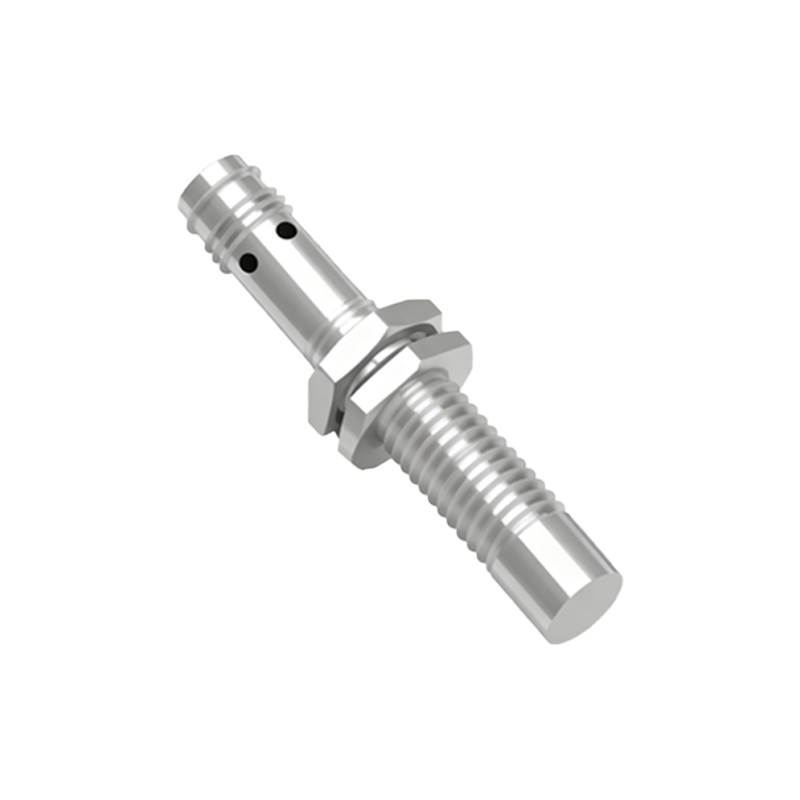
In conclusion, CMOS proximity capacitive image sensors represent a mature yet dynamically advancing field. Their success is built on the robust foundation of CMOS manufacturing, offering an unparalleled combination of performance, integration, and cost. As the demand for more natural and seamless interaction between humans and machines grows, these sensors will undoubtedly play an increasingly critical role, evolving from simple touch detectors to intelligent perception systems that understand and anticipate user intent.