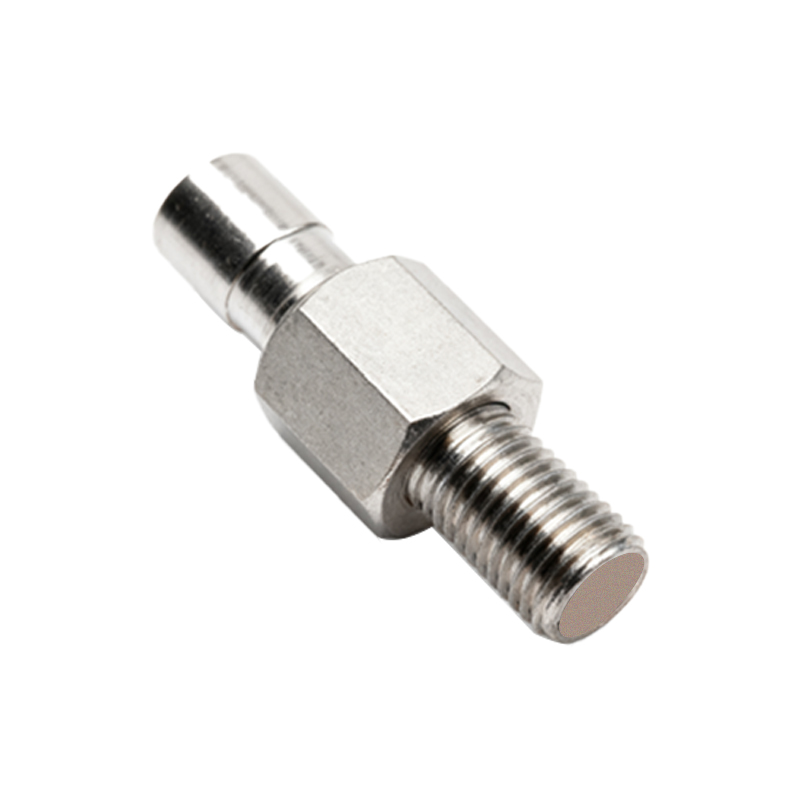
In the realm of industrial automation and electrical engineering, proximity sensor assembly equipment stands as a cornerstone technology, enabling precise, non-contact detection in myriad applications. These sophisticated devices are integral to modern manufacturing lines, robotics, automotive systems, and safety mechanisms. Understanding the assembly equipment behind proximity sensors is crucial for engineers aiming to optimize performance, ensure reliability, and innovate within this dynamic field.
Proximity sensors operate on various principles, including inductive, capacitive, ultrasonic, and optical methods. Inductive sensors, for instance, detect metallic objects through electromagnetic fields, while capacitive sensors respond to both metallic and non-metallic materials by sensing changes in capacitance. The assembly equipment for these sensors must be meticulously designed to handle delicate components such as coils, oscillators, signal conditioning circuits, and housing materials with high precision.
The assembly process typically begins with the preparation of core elements. For inductive sensors, winding coils to exact specifications is paramount. Automated coil winding machines ensure consistent turns, wire tension, and insulation, which directly influence the sensor's sensitivity and range. These machines are often integrated with vision systems and laser measurement tools to verify dimensional accuracy and detect defects in real-time.
Next, the electronic components, including integrated circuits (ICs), resistors, and capacitors, are mounted onto printed circuit boards (PCBs) using surface-mount technology (SMT) equipment. High-speed pick-and-place machines position miniature components with micron-level accuracy, followed by reflow soldering ovens that create secure electrical connections. The choice of soldering paste and temperature profiles is critical to prevent thermal stress and ensure long-term durability, especially in harsh industrial environments.
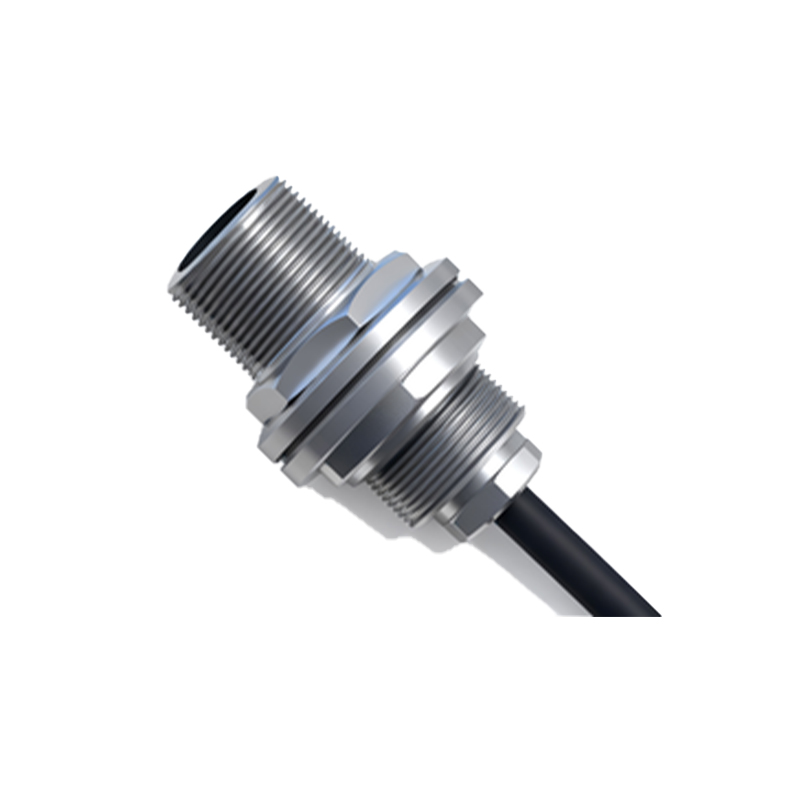
Encapsulation or potting is a vital step to protect the internal electronics from moisture, dust, vibrations, and chemical exposure. Automated dispensing systems apply epoxy resins or silicones with controlled volume and placement, ensuring complete coverage without air bubbles. Curing ovens then harden the material, forming a robust barrier. The assembly equipment here must maintain strict environmental controls, as humidity and temperature fluctuations can compromise the potting quality.
Calibration and testing phases are where assembly equipment truly showcases its sophistication. Automated test stations subject each sensor to simulated operating conditions, checking parameters like switching frequency, hysteresis, and temperature drift. Data acquisition systems collect performance metrics, comparing them against tight tolerances. Sensors that fail are automatically diverted for rework or recycling, maintaining high yield rates. This closed-loop feedback allows for continuous improvement in the assembly line, reducing waste and enhancing product consistency.
Innovations in assembly equipment are driving advancements in proximity sensor technology. The integration of Industry 4.0 principles, such as the Internet of Things (IoT) and artificial intelligence (AI), enables predictive maintenance on assembly machines. Sensors embedded in the equipment itself monitor wear and tear, alerting operators before failures occur. Additionally, collaborative robots (cobots) are increasingly used for delicate tasks like handling fragile housings or performing final inspections, working alongside human technicians to boost efficiency.
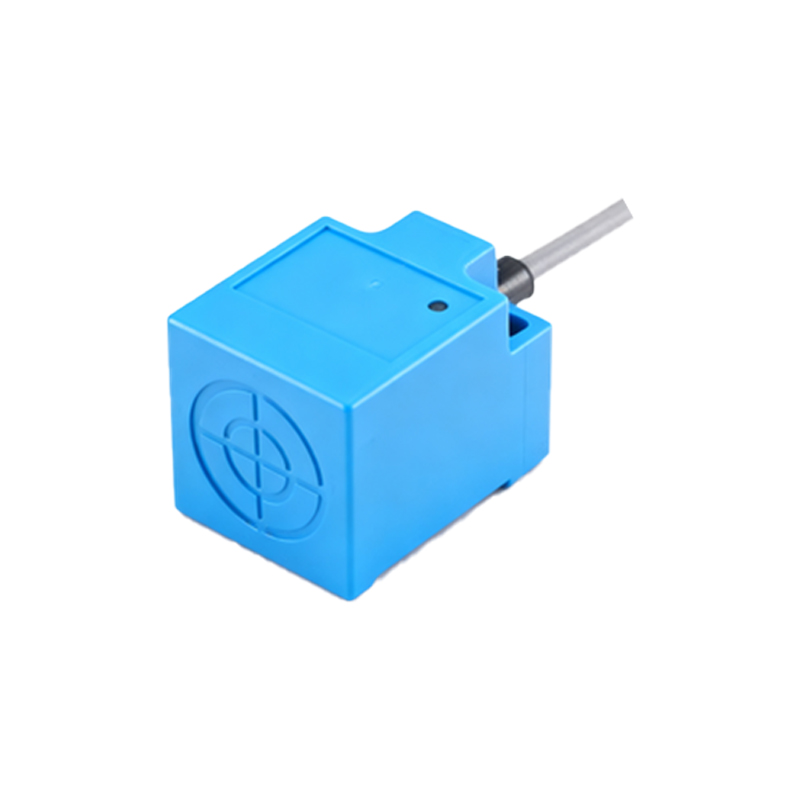
For electrical engineers, selecting the right assembly equipment involves considering factors like production volume, sensor type, and customization needs. Modular assembly lines offer flexibility, allowing quick reconfiguration for different sensor models. Energy-efficient designs, such as servo-driven mechanisms, reduce operational costs and environmental impact. Moreover, adherence to international standards like ISO 9001 for quality management and IEC 60947 for industrial control devices is essential to meet global market demands.
In conclusion, proximity sensor assembly equipment represents a fusion of precision engineering, automation, and quality assurance. As industries evolve toward smarter factories and interconnected systems, the demand for high-performance sensors will only grow. By leveraging advanced assembly technologies, engineers can produce sensors that are not only reliable and accurate but also cost-effective and adaptable to future challenges. Embracing these tools is key to staying competitive in the ever-evolving landscape of electrical engineering and industrial automation.