The proximity sensor industry is experiencing a transformative phase, driven by rapid advancements in technology and increasing demand across diverse sectors. As a senior electrical engineer observing these developments, it is evident that the core functionality of these devices—detecting the presence or absence of objects without physical contact—remains fundamental. However, the methodologies and applications are evolving at an unprecedented pace.
A significant trend is the integration of Industrial Internet of Things (IIoT) capabilities. Modern proximity sensors are no longer just binary detection tools; they are becoming intelligent data points within larger networked systems. Enhanced with embedded microprocessors and communication protocols like IO-Link, these sensors provide real-time diagnostic data, such as temperature fluctuations, signal strength, and predictive maintenance alerts. This shift towards smart sensing is crucial for Industry 4.0, enabling more efficient, automated, and self-optimizing production lines in manufacturing.
Another notable innovation is in the realm of material and design. The development of robust, miniaturized sensors capable of withstanding extreme environments—high temperatures, intense pressure, or corrosive atmospheres—is expanding their use in automotive, aerospace, and heavy machinery. For instance, the automotive industry increasingly relies on high-precision inductive and capacitive sensors for advanced driver-assistance systems (ADAS) and automated assembly processes.
Market analysis indicates sustained growth, particularly in the Asia-Pacific region, fueled by automation initiatives in manufacturing and infrastructure development. However, this growth is coupled with challenges, including supply chain constraints for semiconductor components and the need for standardization in wireless sensor networks.
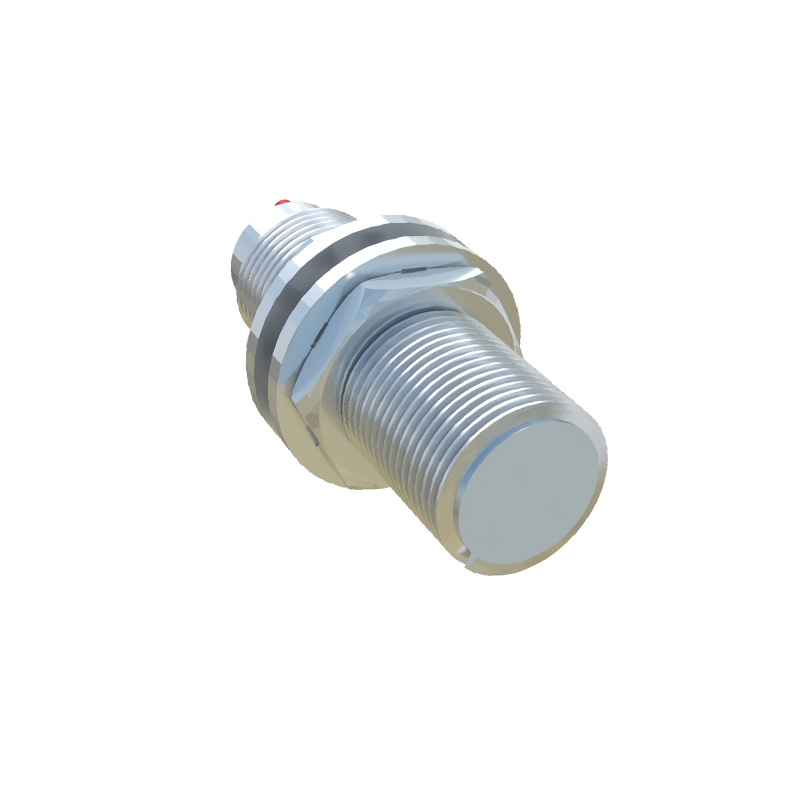
From an engineering perspective, the future appears focused on enhancing sensing accuracy, reducing power consumption, and improving electromagnetic compatibility (EMC). Research into novel sensing principles, such as using ultrasonic or laser-based technologies for longer ranges and higher resolution, is ongoing. Furthermore, the convergence of sensing with artificial intelligence for pattern recognition and anomaly detection is a frontier with immense potential, promising to make systems not only reactive but proactively intelligent.
In conclusion, the proximity sensor industry is at a pivotal juncture. The move from simple switches to sophisticated, connected devices is redefining their role in automation. For engineers and industry stakeholders, staying abreast of these technological and market shifts is not merely beneficial—it is essential for driving innovation and maintaining competitive advantage in an increasingly automated world.