In the heart of Guangdong's manufacturing landscape, Dalingshan Town has emerged as a critical hub for industrial automation and precision engineering. Central to this technological evolution is the widespread adoption and sophisticated application of proximity sensors. These non-contact detection devices are fundamental components in modern manufacturing lines, robotics, and quality control systems prevalent throughout Dalingshan's diverse industrial sectors, from automotive parts fabrication to consumer electronics assembly.
Proximity sensors function by emitting an electromagnetic field or a beam of electromagnetic radiation and detecting changes in the field or return signal. The primary advantage, which makes them indispensable in high-speed Dalingshan production environments, is their ability to detect objects without physical contact. This eliminates mechanical wear and tear, ensures long operational life, and allows for the detection of delicate, small, or awkwardly shaped components that would be damaged by mechanical switches. The most common types deployed include inductive sensors (for detecting metallic objects), capacitive sensors (for detecting both metallic and non-metallic materials like plastic, wood, or liquids), and photoelectric sensors (using light beams for detection over longer ranges).
The selection criteria for proximity sensors in Dalingshan's factories are rigorous, driven by the need for reliability, precision, and cost-effectiveness. Key specifications considered are sensing distance, response frequency, output type (PNP/NPN analog/digital), housing material (often stainless steel or nickel-plated brass for durability), and environmental resistance (IP ratings for dust and water ingress). For instance, in automated CNC machining centers, inductive sensors with high switching frequencies are used for precise tool positioning and part presence verification. In packaging lines, capacitive sensors reliably detect levels of liquids or granules in non-metallic containers.
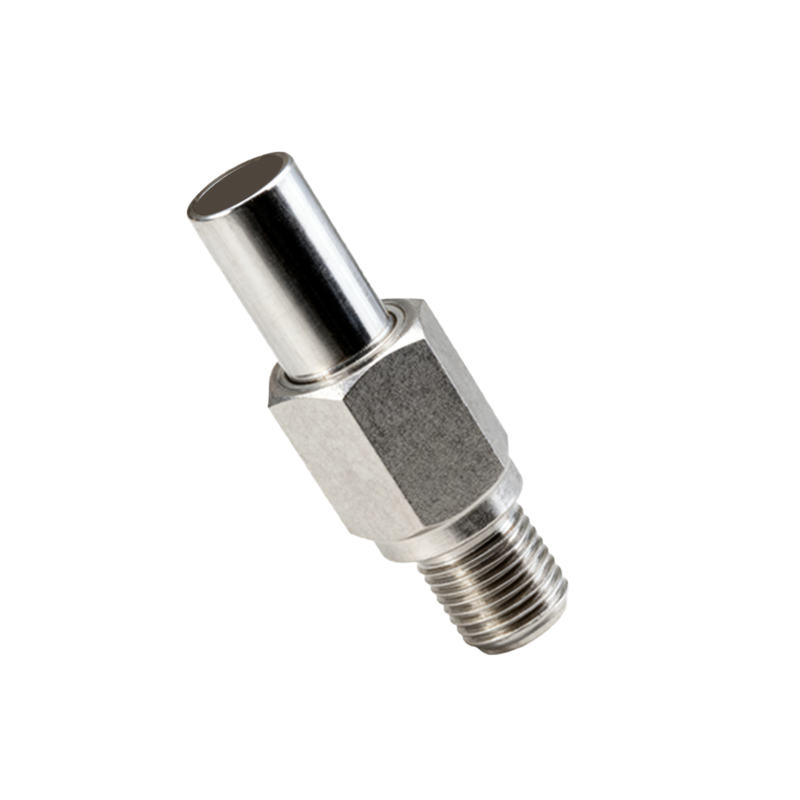
Installation and integration present their own set of engineering considerations. Proper mounting, alignment, and shielding are paramount to avoid mutual interference between multiple sensors—a common challenge in densely packed control panels and machinery. Engineers in Dalingshan must account for the "blind zone" near the sensing face, ensure stable power supplies to prevent signal fluctuation, and program PLCs (Programmable Logic Controllers) to correctly interpret the sensor's output signals for seamless process control. Regular maintenance, though minimal, involves cleaning the sensing face from oil, dust, or metal shavings accumulation, which can attenuate performance.
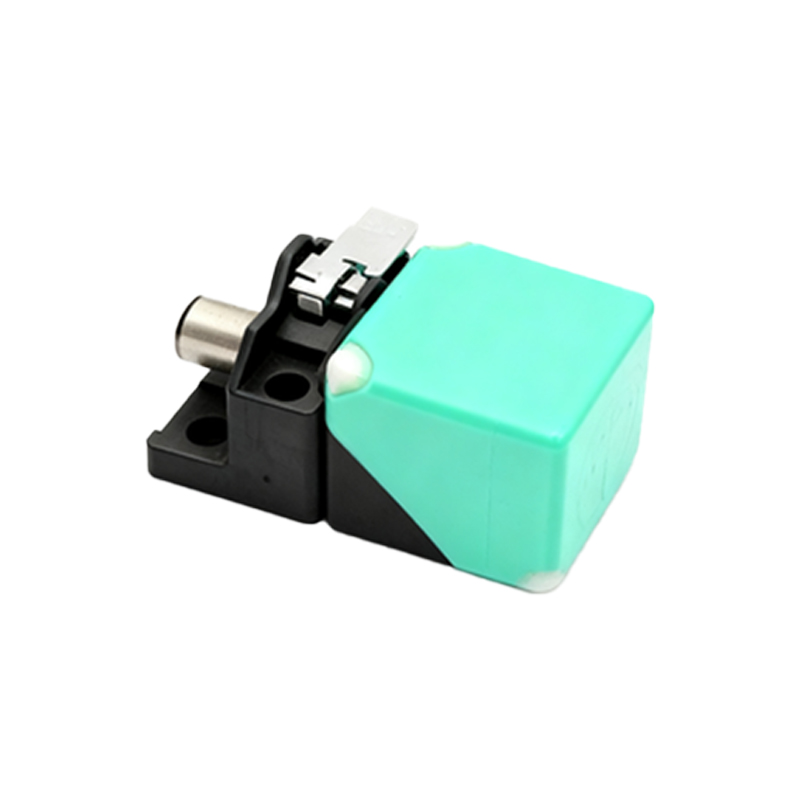
Looking forward, the trend in Dalingshan aligns with global Industry 4.0 initiatives. The integration of IO-Link communication capability into proximity sensors is gaining traction. This allows for advanced diagnostics, parameter setting via software, and the transmission of process data (like sensing distance variations) to higher-level systems for predictive maintenance and data analytics. Furthermore, the demand for miniaturized sensors for compact machinery and sensors capable of withstanding extreme washdowns in food and beverage ancillary industries continues to grow.
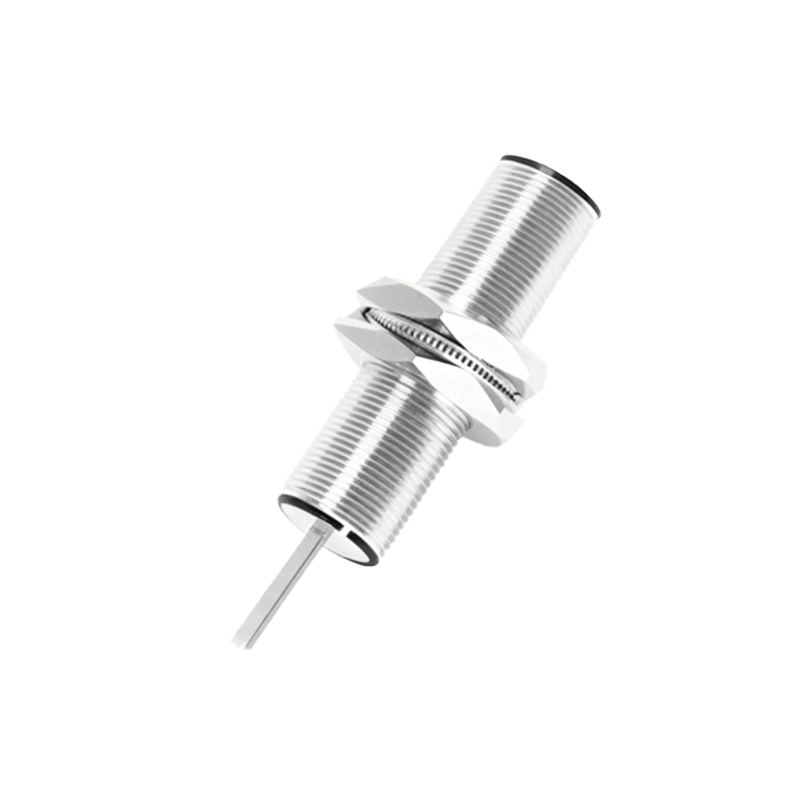
In conclusion, the proliferation of proximity sensors in Dalingshan Town is not merely a matter of component usage but a reflection of a deeper commitment to manufacturing excellence, efficiency, and automation intelligence. These devices, though small, form the essential sensory layer of automated systems, providing the critical data that drives decision-making in milliseconds. Their continued evolution and application will undoubtedly remain a cornerstone of Dalingshan's industrial competitiveness, enabling smarter, more responsive, and more reliable production processes for the global market. For engineers and technicians, a thorough understanding of their operation, selection, and integration is a fundamental requirement in this dynamic industrial ecosystem.