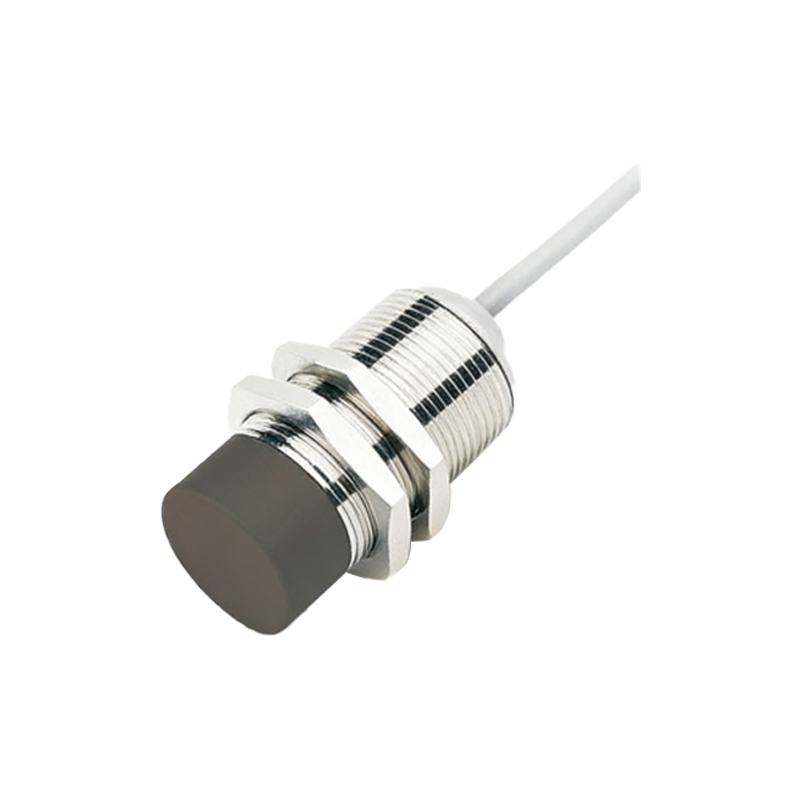
In the realm of industrial automation, proximity switches and sensor control systems have become indispensable components, driving efficiency, safety, and precision across diverse applications. These devices, often operating silently behind the scenes, form the backbone of modern manufacturing, logistics, and process control. This article delves into the principles, types, and applications of proximity switches, while exploring the broader context of sensor-based control in industrial settings.
Proximity switches, also known as proximity sensors, are non-contact devices that detect the presence or absence of an object within a specified range without physical contact. They rely on various physical principles, including electromagnetic, capacitive, and inductive technologies, to generate signals that trigger control actions. Inductive proximity switches, for instance, are widely used for detecting metallic objects by creating an electromagnetic field. When a metal target enters this field, it induces eddy currents, causing a change in the sensor's oscillation amplitude, which is then converted into an output signal. These sensors are prized for their durability, resistance to environmental factors like dust and moisture, and high switching speeds, making them ideal for harsh industrial environments such as automotive assembly lines or metalworking facilities.
Capacitive proximity switches, on the other hand, can detect both metallic and non-metallic materials, including liquids, plastics, and wood, by measuring changes in capacitance. They operate by generating an electrostatic field and monitoring disturbances caused by the target object. This versatility allows them to be employed in applications like level sensing in tanks, packaging systems, or food processing plants, where material diversity is common. Ultrasonic and photoelectric sensors represent other key categories, offering long-range detection and suitability for transparent or reflective objects, though they are often grouped separately from traditional proximity switches due to their distinct operating mechanisms.
The integration of proximity switches into sensor control systems marks a significant advancement in industrial automation. These systems encompass not only the sensors themselves but also the associated controllers, programmable logic controllers (PLCs), and human-machine interfaces (HMIs) that process sensor data and execute commands. By providing real-time feedback on machine position, object presence, or process parameters, proximity switches enable precise control over operations such as robotic guidance, conveyor belt management, and quality inspection. For example, in automated packaging lines, proximity sensors can detect product placement, trigger sealing mechanisms, and count items, ensuring consistent throughput and reducing waste. Similarly, in safety applications, they serve as critical components in emergency stop systems or machine guarding, preventing accidents by halting equipment when an intrusion is detected.
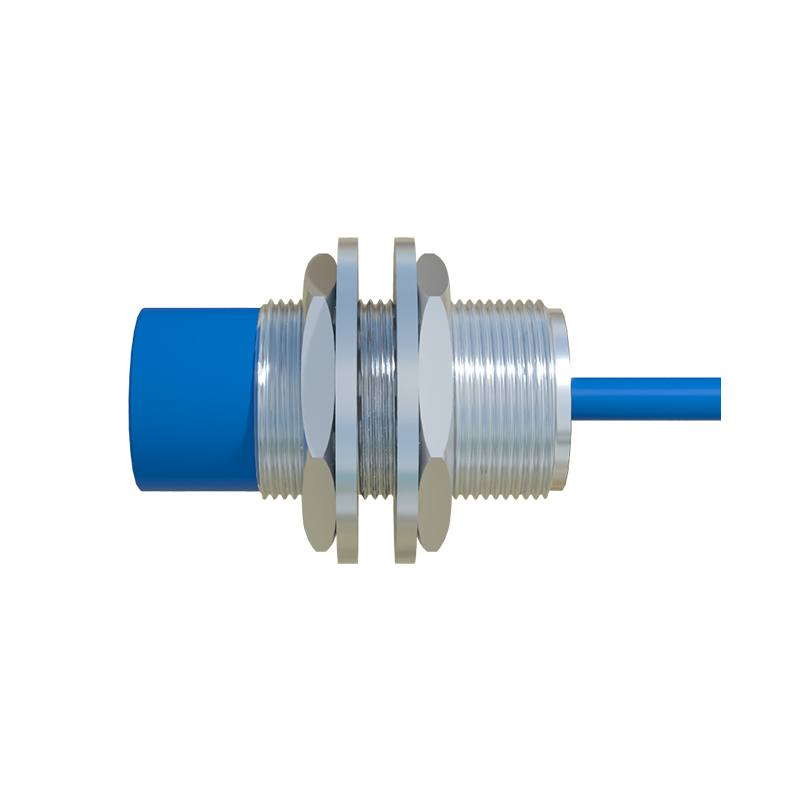
Advancements in technology have further enhanced the capabilities of proximity switches and sensor control. The advent of Industry 4.0 and the Industrial Internet of Things (IIoT) has led to the development of smart sensors with embedded diagnostics, wireless connectivity, and data logging features. These intelligent devices can communicate with central control systems via protocols like IO-Link or Ethernet/IP, providing detailed insights into machine health and performance. Predictive maintenance, enabled by such sensors, allows operators to anticipate failures before they occur, minimizing downtime and optimizing productivity. Additionally, the trend toward miniaturization has resulted in compact proximity switches that can be installed in space-constrained applications without compromising functionality.
When selecting proximity switches for a specific application, engineers must consider factors such as sensing range, material compatibility, environmental conditions, and output type (e.g., digital or analog). Proper installation and calibration are crucial to ensure reliable operation, as misalignment or interference from nearby objects can lead to false triggers. Regular maintenance, including cleaning and testing, helps sustain sensor accuracy over time. As industries continue to embrace automation, the demand for robust and versatile proximity switches is expected to grow, with innovations focusing on higher precision, energy efficiency, and integration with artificial intelligence for adaptive control.
In conclusion, proximity switches and sensor control systems are pivotal to the evolution of industrial automation, offering non-contact detection, enhanced safety, and operational efficiency. From manufacturing floors to smart factories, these technologies empower engineers to build responsive and intelligent systems that meet the challenges of modern production. As we look to the future, ongoing research and development promise to expand their applications, solidifying their role as key enablers of industrial progress.