Proximity sensors are indispensable components in modern industrial automation, robotics, and safety systems. Their performance, durability, and suitability for specific environments are heavily influenced by the materials used in their construction. As an electrical engineer, understanding the material science behind these sensors is crucial for selecting the right device for your application. This guide delves into the common materials used in proximity sensor housings, sensing faces, and internal components, explaining their properties and ideal use cases.
The housing or body of a proximity sensor serves as its first line of defense. The most prevalent material here is nickel-plated brass. Brass offers excellent machinability and good corrosion resistance, while the nickel plating provides an additional protective layer against harsh chemicals and wear, making it suitable for general industrial environments. For more demanding applications, especially in the food and beverage, pharmaceutical, or chemical industries, stainless steel housings are the standard. Grades like 303, 304, and 316L stainless steel provide superior resistance to corrosion, acids, and caustic cleaners. They are also easy to sterilize, which is a critical requirement. In cost-sensitive or less corrosive environments, engineered plastics like PBT (Polybutylene Terephthalate) or PPS (Polyphenylene Sulfide) are common. These thermoplastic materials offer good chemical resistance, are electrically insulating, and can be molded into complex shapes.
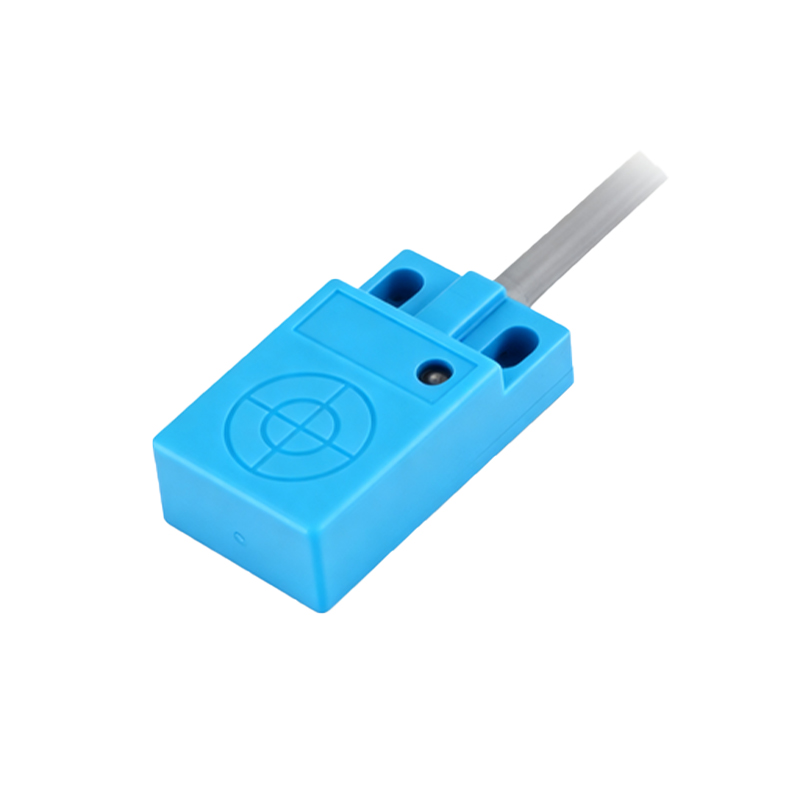
The material of the sensing face is arguably the most critical, as it directly interacts with the target. For inductive proximity sensors, which detect metallic objects, the sensing face is typically made from a ferrite core or a specialized ceramic material. These materials channel and focus the sensor's electromagnetic field. This face is often potted or encapsulated with a robust material like epoxy resin or polyurethane. Epoxy provides a hard, durable seal with excellent resistance to solvents and physical impact. Polyurethane, while slightly less rigid, offers superior resistance to cracking under thermal cycling and vibration, making it ideal for mobile equipment or environments with large temperature swings. For capacitive sensors, the entire front housing often acts as the sensing electrode, and the material choice (typically PBT or stainless steel) is tailored for the specific dielectric constant of the target material.
Internal components rely on specialized materials. The oscillator coil in inductive sensors uses high-purity copper wire. The internal circuitry is mounted on a standard FR-4 or, for high-temperature applications, a ceramic substrate. The wires for connectivity are typically PVC-insulated for general use, but for high-flex life applications (e.g., on robotic arms), cables with PUR (Polyurethane) insulation are preferred due to their exceptional resistance to abrasion, oils, and repeated bending.
Material selection directly impacts sensor performance. For instance, a stainless-steel housing can slightly reduce the sensing range of an inductive sensor compared to a plastic one, as the metal can attenuate the electromagnetic field. Engineers must consult datasheets for derating factors. In high-temperature environments exceeding 100°C, sensors with PPS housings, ceramic sensing faces, and high-temperature solder are necessary to prevent failure. Similarly, in washdown areas, a sensor with an IP69K rating, achieved through a stainless-steel body and a perfectly sealed epoxy-faced design, is mandatory.
In conclusion, there is no universal "best" material for proximity sensors. The optimal choice is a calculated compromise between cost, detection requirements, and environmental challenges. A nickel-plated brass sensor may be perfect for a dry machining center, while a fully stainless-steel, epoxy-potted unit is non-negotiable for a brewery CIP (Clean-in-Place) system. As an engineer, prioritizing the environmental stressors—be it chemicals, temperature, physical impact, or target material—will guide you to the correct material specification, ensuring reliability, longevity, and system integrity in your electrical designs.