In industrial automation and electrical engineering, proximity sensors are indispensable components for detecting the presence or absence of objects without physical contact. A common question that arises during installation and maintenance is whether proximity sensors have polarity. The answer depends on the type of sensor and its output configuration.
Proximity sensors can be broadly categorized into two types based on their output: PNP (sourcing) and NPN (sinking). These designations refer to the transistor output type and directly relate to polarity considerations in DC circuits.
PNP sensors, also known as sourcing sensors, have a positive polarity output. When activated, they switch the positive voltage to the load. In a typical wiring setup, the PNP sensor's output wire connects to the load, while the load's other terminal connects to the negative side of the power supply. This configuration means PNP sensors source current to the load when triggered.
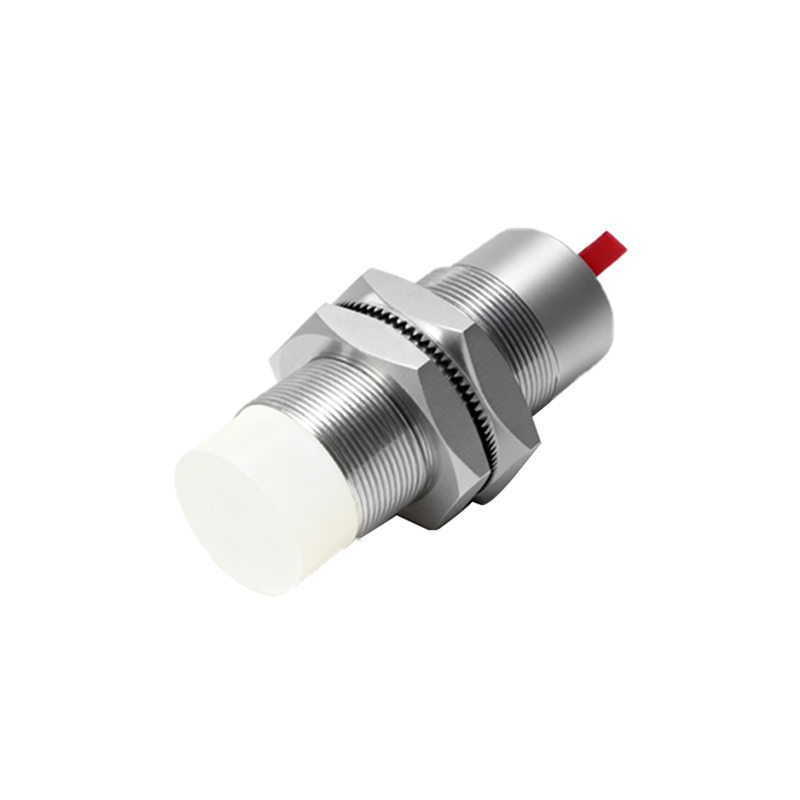
NPN sensors, or sinking sensors, have a negative polarity output. When activated, they switch the negative voltage to the load. In this setup, the load connects to the positive supply, and the sensor's output connects to the load's other terminal, completing the circuit to ground when triggered. NPN sensors sink current from the load to ground.
For AC-powered proximity sensors, polarity is generally not a concern since alternating current changes direction periodically. These sensors typically have two wires for AC power and a separate output wire or wires for the signal.
Two-wire DC proximity sensors present a special case. They connect in series with the load and don't have separate power and output wires. While they don't have strict polarity requirements like three-wire sensors, correct installation still matters for proper operation. Reversing wires on a two-wire DC sensor might prevent it from functioning or cause unreliable operation.
When installing proximity sensors, always consult the manufacturer's datasheet for specific wiring instructions. Most sensors have clear markings: brown wire for positive (+), blue wire for negative (-), and black wire for output signal. Some sensors feature polarity protection circuits that prevent damage from reverse connection, but this isn't universal.
In practice, connecting a three-wire DC sensor with incorrect polarity typically results in the sensor not operating rather than causing immediate damage. However, repeated incorrect connections or excessive voltage can eventually damage internal components.
The choice between PNP and NPN sensors often depends on the control system architecture. European systems traditionally favor PNP configurations, while Asian and North American systems frequently use NPN. Modern programmable logic controllers (PLCs) and other control devices can typically interface with either type, though input card compatibility should be verified.
Some advanced proximity sensors feature configurable outputs that can be set as PNP or NPN through wiring or programming. These versatile sensors simplify inventory management and installation in facilities using both types of control systems.
When replacing sensors in existing systems, always match the original sensor's output type unless control system modifications are made. Mixing PNP and NPN sensors in the same circuit without proper isolation can cause malfunctions or damage.
In summary, while AC proximity sensors don't have polarity concerns, DC proximity sensors do require attention to polarity based on their PNP or NPN design. Proper identification, wiring according to specifications, and understanding of the control system's requirements ensure reliable sensor operation and prevent installation errors that could lead to downtime in industrial applications.