In the complex and demanding world of industrial automation, the choice of a proximity sensor is far from trivial. These critical components, responsible for detecting the presence or absence of objects without physical contact, form the sensory backbone of countless systems. From assembly lines and robotic cells to packaging machinery and material handling, their reliability directly impacts productivity, safety, and operational efficiency. Consequently, the question of "which brand is best?" is a constant topic among engineers and procurement specialists. The answer, however, is not monolithic. The "best" brand is contingent upon a nuanced evaluation of application requirements, performance specifications, and long-term value. This guide delves into the key considerations and profiles leading manufacturers to aid in making an informed decision.
The primary factors influencing brand selection extend beyond mere name recognition. First, consider the sensing technology: inductive sensors for metals, capacitive for non-metals and liquids, or photoelectric for long-range detection. The required sensing range, response frequency, and environmental robustness (IP ratings, temperature tolerance, resistance to chemicals or weld spatter) are paramount. Electrical output type (PNP/NPN, NO/NC, analog, IO-Link) must seamlessly integrate with your control system. Finally, form factor, mounting style, and supply voltage compatibility are practical necessities.
Among the global leaders, several brands have established formidable reputations through decades of innovation and proven field performance.
Sick AG is often synonymous with high-precision and advanced functionality. Renowned for their photoelectric and innovative sensor solutions, Sick sensors excel in challenging applications requiring exceptional accuracy, background suppression, or complex object differentiation. Their products frequently incorporate state-of-the-art features like advanced diagnostics and connectivity options, positioning them as a premium choice for sophisticated automation tasks where performance is non-negotiable.
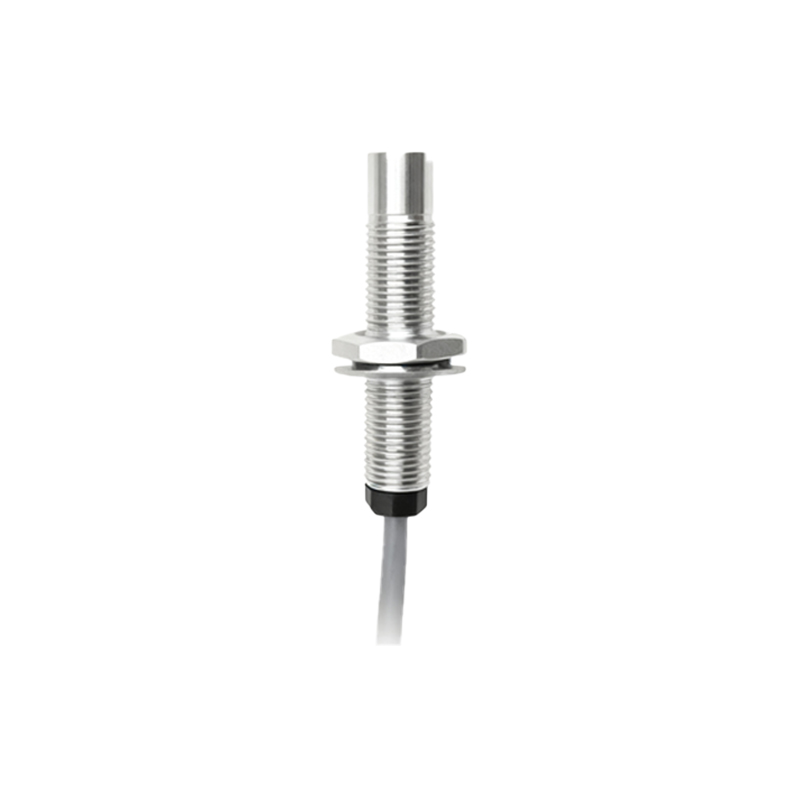
Pepperl+Fuchs stands as a pillar of robustness and reliability, particularly in harsh industrial environments. Their extensive portfolio covers inductive, capacitive, ultrasonic, and photoelectric sensors. Pepperl+Fuchs is highly regarded for sensors designed for extreme conditions, such as heavy-duty metal housings for high mechanical stress, exceptional immunity to electromagnetic interference, and specialized models for hazardous areas (ATEX/IECEx). For applications in automotive, chemical, or heavy industry where durability is critical, they are a top contender.
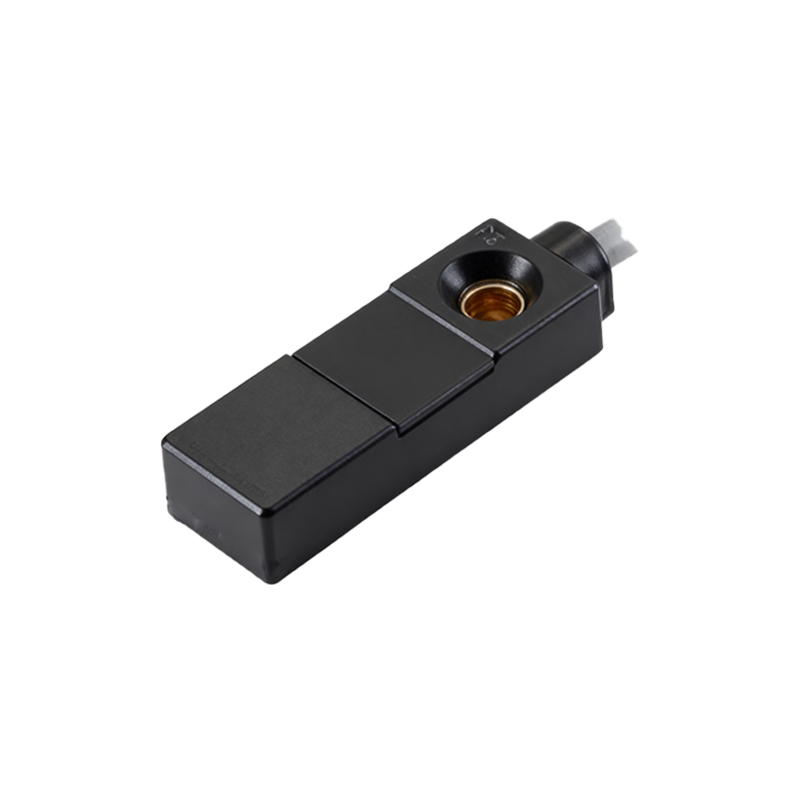
Omron Corporation offers a remarkably broad and cost-effective range of proximity sensors. Omron's strength lies in providing reliable, standardized sensors that deliver consistent performance for a vast array of common industrial applications. Their global distribution network ensures easy availability and strong technical support. Engineers often turn to Omron for general-purpose inductive and photoelectric sensors where a balance of quality, variety, and value is essential.
Balluff GmbH is a leader in miniaturization and intelligent sensor technology. They are pioneers in developing extremely compact sensors for space-constrained applications without compromising on sensing distance or durability. Furthermore, Balluff is at the forefront of Industrial Internet of Things (IIoT) with its extensive range of IO-Link sensors, which provide valuable process data and parameterization capabilities far beyond simple switching. For smart factory applications and miniaturized designs, Balluff is a key innovator.
IFM Electronic is celebrated for its user-friendly design, diagnostic capabilities, and system-oriented approach. IFM sensors often feature clear visual status indicators (like LED rings) that simplify installation and troubleshooting. They offer a comprehensive portfolio with a strong emphasis on ease of integration and predictive maintenance features. Their products are widely used in material handling, mobile equipment, and general factory automation where operational simplicity and diagnostic clarity are valued.
Turck is a powerhouse known for its ruggedness and connectivity solutions. Turck sensors are built to withstand severe mechanical shock, vibration, and harsh washdowns. They are also a leader in providing innovative connection technologies, such as quick-disconnect cordsets and multiport junction boxes, which significantly reduce installation time and cost. For demanding environments like food and beverage, mining, or outdoor applications, Turck's ruggedized designs are highly recommended.
Beyond these, other notable manufacturers like Rockwell Automation (Allen-Bradley), Schneider Electric, and Siemens offer strong sensor lines that integrate seamlessly with their broader automation ecosystems, which can be a decisive factor for plants standardized on a particular PLC or control platform.
Ultimately, declaring a single "best" brand is impractical. A Sick laser sensor may be unparalleled for precise positioning, while a Pepperl+Fuchs inductive sensor might be the only choice for a corrosive environment. A cost-sensitive, high-volume application might find its optimal solution with Omron, whereas a cutting-edge IIoT project would leverage Balluff's IO-Link portfolio. The optimal selection process involves:
1. Precisely defining all technical and environmental requirements.
2. Shortlisting 2-3 brands whose core competencies