Laser displacement sensors are critical components in modern industrial automation, providing non-contact, high-precision measurement for quality control, positioning, and inspection. However, these sophisticated devices are susceptible to various forms of damage that can lead to costly downtime and measurement inaccuracies. Understanding the root causes of sensor failure is essential for maintenance personnel and engineers to ensure operational reliability.
One primary cause of damage is environmental contamination. Industrial settings often expose sensors to dust, oil mist, coolant fluids, and metal shavings. These contaminants can accumulate on the sensor's optical lens, attenuating or scattering the laser beam. This results in signal loss, reduced measurement accuracy, or complete sensor failure. For instance, in machining or welding applications, airborne particulates can coat the lens, requiring frequent cleaning. Prolonged exposure to certain chemicals may also degrade the lens coating or housing materials.
Physical impact and vibration represent another significant threat. Despite often being housed in robust enclosures, sensors mounted on moving machinery, robotic arms, or in high-traffic areas are prone to accidental collisions or sustained mechanical stress. Vibration from nearby heavy equipment can loosen internal components or misalign the laser diode and receiver optics over time. This misalignment causes drift in measurement values or inconsistent performance.
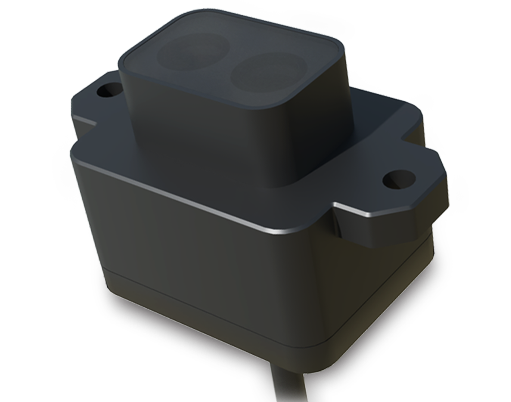
Electrical issues are a frequent culprit behind premature sensor failure. Voltage spikes, surges, or improper power supply specifications can damage sensitive internal circuitry. Many sensors operate on low-voltage DC power and include delicate signal processing electronics. Connecting a sensor to an incorrect power source, such as an AC line, or experiencing back-EMF from inductive loads on shared power lines, can instantly destroy components. Grounding problems and electromagnetic interference (EMI) from nearby motors, drives, or radio frequency sources can also corrupt signals or cause erratic behavior.
Thermal stress is often overlooked. Laser diodes and electronic components have specified operating temperature ranges. Exceeding these limits, either through ambient environmental conditions or self-heating during continuous operation, can reduce component lifespan. Operating in high temperatures can cause thermal drift, where measurement accuracy changes as the sensor heats up. Conversely, in very cold environments, condensation can form inside the housing, leading to short circuits or lens fogging.
Improper installation and configuration also lead to operational strain. Incorrect mounting angle, failure to use recommended mounting brackets, or misalignment relative to the target surface can cause the sensor to operate outside its optimal parameters. For example, if the incident angle on a specular (shiny) surface is not correctly set, the laser beam may not reflect back to the receiver, causing a loss of signal. Overdriving the sensor by using it at its absolute maximum measurement range or on unsuitable materials (e.g., transparent or highly absorbent surfaces) without proper settings can also strain the system.
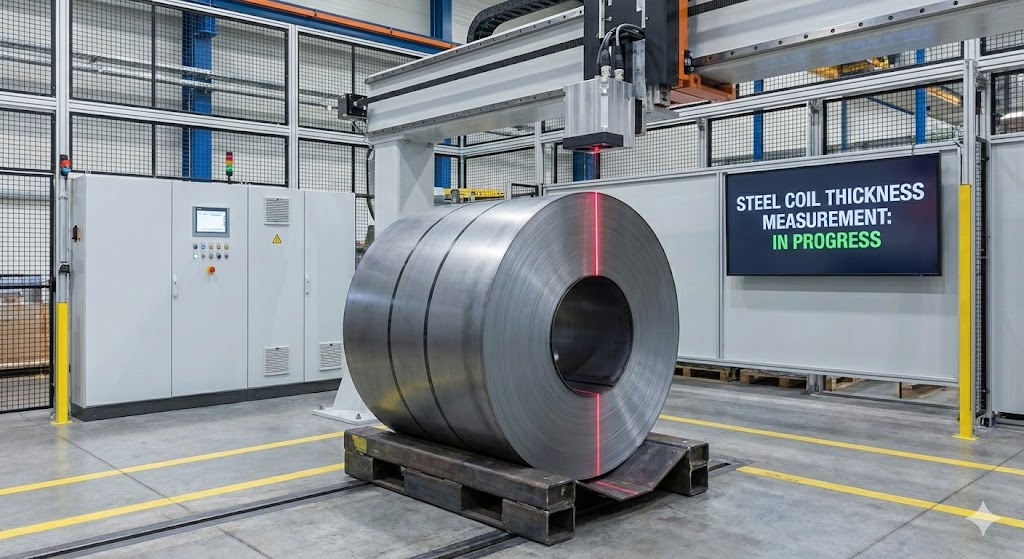
To prevent these issues, a proactive maintenance strategy is vital. Implementing regular cleaning schedules using approved materials (like lens tissue and appropriate cleaners) prevents contaminant buildup. Ensuring proper mounting with vibration-dampening isolators and protective guarding from physical impact is crucial. Electrical protection, such as using dedicated, regulated power supplies and installing surge protectors or isolation devices, safeguards against power anomalies. Adhering strictly to the sensor's environmental specifications—considering enclosures with higher IP ratings for harsh environments or using cooling/heating jackets for extreme temperatures—extends service life. Finally, thorough training for personnel on correct installation, alignment procedures, and parameter configuration according to the target material and application minimizes human error.
In conclusion, while laser displacement sensors are engineered for durability, their performance and longevity depend heavily on the operating environment and care. By identifying common hazards like contamination, mechanical stress, electrical faults, thermal extremes, and installation errors, industries can implement effective countermeasures. This proactive approach minimizes unplanned downtime, maintains measurement integrity, and protects the significant investment in precision sensing technology.
