In the ever-evolving landscape of industrial automation, the quest for efficiency is increasingly intertwined with the imperative of sustainability. Green proximity sensors represent a pivotal innovation at this crossroads, offering the precision and reliability expected in modern manufacturing while significantly reducing environmental impact. Unlike conventional sensors, green proximity sensors are engineered with a holistic focus on energy efficiency, material sustainability, and extended lifecycle management, making them a cornerstone for eco-conscious industrial operations.
The core principle of a proximity sensor—detecting the presence or absence of an object without physical contact—remains unchanged. However, green variants achieve this through optimized design and advanced materials. A primary feature is their remarkably low power consumption. Utilizing cutting-edge semiconductor technology and intelligent power management circuits, these sensors operate at a fraction of the energy required by standard models. This reduction is not marginal; in large-scale installations with hundreds or thousands of sensors, the cumulative energy savings translate into substantial cost reductions and a markedly lower carbon footprint for the facility.
Material selection is another critical differentiator. Manufacturers are increasingly employing lead-free solders, halogen-free plastics, and recyclable metals in sensor housings and internal components. This shift minimizes the use of hazardous substances, simplifying end-of-life disposal and aligning with stringent international regulations like RoHS (Restriction of Hazardous Substances) and REACH. Furthermore, the robust construction of green sensors is designed for longevity. By using higher-grade, durable materials and protective coatings resistant to oils, coolants, and industrial debris, these sensors boast significantly longer operational lifespans. This durability directly reduces waste frequency, as sensors need replacement less often, thereby diminishing the stream of electronic waste.
The operational advantages extend beyond environmental metrics. Green proximity sensors often incorporate advanced diagnostics and communication protocols, such as IO-Link. This smart technology enables predictive maintenance by providing real-time data on sensor health, operating temperature, and signal strength. Operators can address potential issues before they lead to downtime or failure, further enhancing resource efficiency and production line reliability. The ability to digitally parameterize sensors also reduces the need for physical replacements or manual adjustments, streamlining processes.
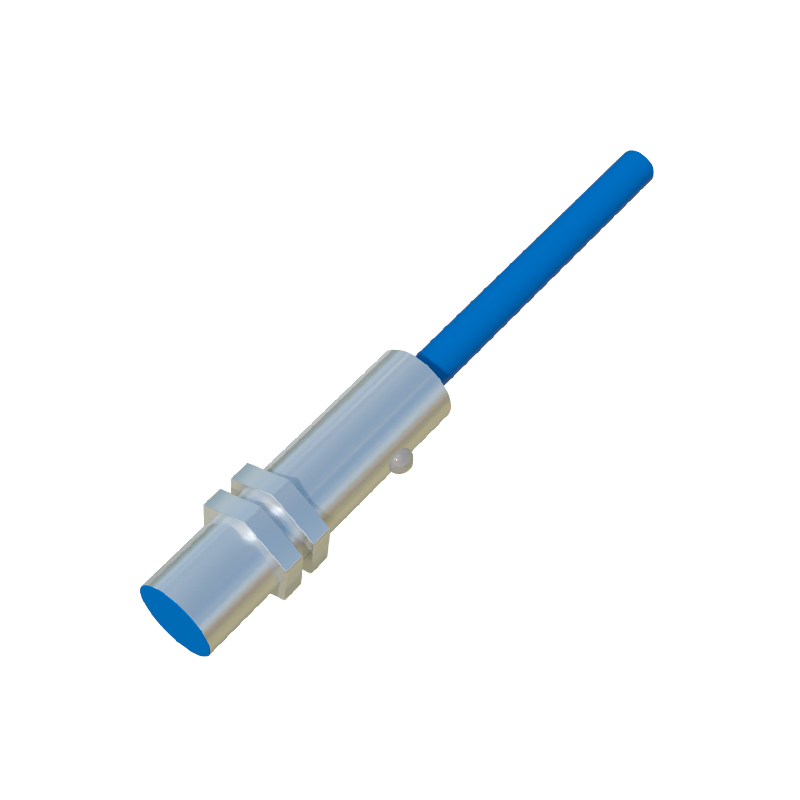
In practical applications, the benefits are tangible. In packaging lines, energy-efficient green sensors ensure precise detection of cartons and products, reducing material waste from misaligned packaging. In automotive assembly, their resilience to harsh environments ensures consistent performance in robotic welding and painting cells, improving quality control. Within renewable energy sectors, such as wind turbine manufacturing, their low power draw and reliable operation contribute to the overall sustainability of the green energy supply chain.
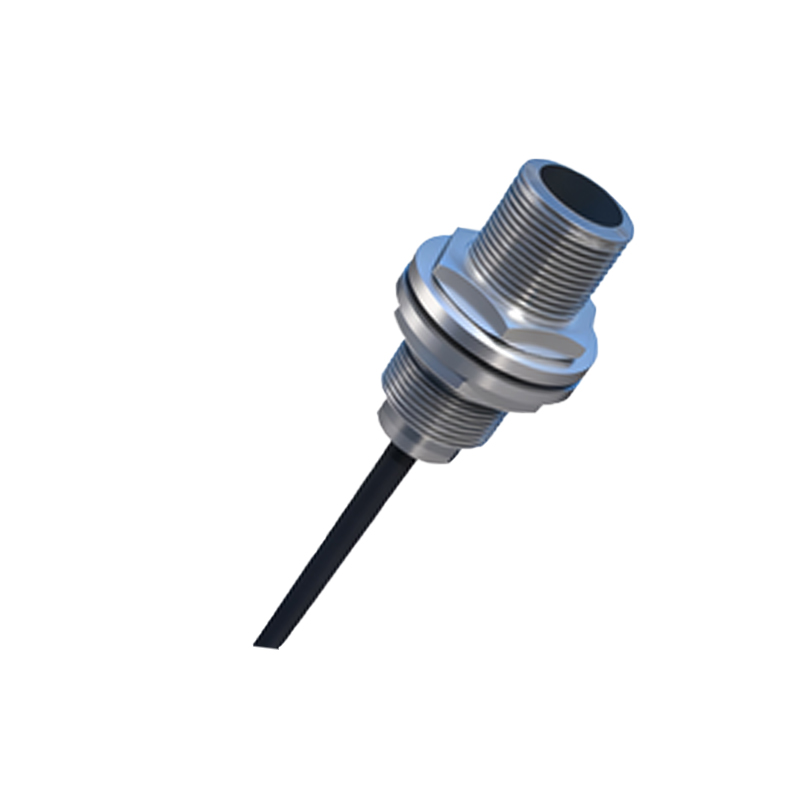
Adopting green proximity sensors is not merely a technical upgrade but a strategic investment in sustainable manufacturing. While the initial procurement cost may be slightly higher, the total cost of ownership is often lower due to energy savings, reduced maintenance, and less frequent replacement. Moreover, it strengthens a company's environmental, social, and governance (ESG) profile, meeting the growing demand from consumers and investors for responsible industrial practices.
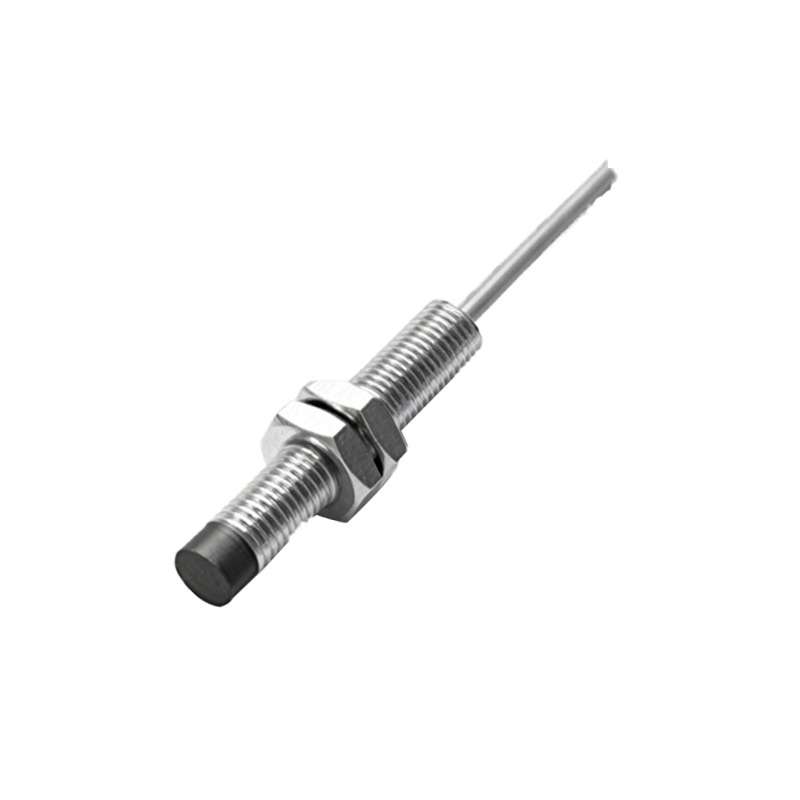
Looking ahead, the integration of green sensors with Industrial Internet of Things (IIoT) platforms will amplify their impact. Data from vast networks of these sensors can optimize entire production ecosystems, minimizing energy peaks and streamlining material flow. As industries worldwide commit to net-zero goals, the role of intelligent, eco-friendly components like green proximity sensors will become indispensable. They are no longer a niche alternative but a fundamental component for building resilient, efficient, and sustainable automated systems for the future.