In the rapidly evolving landscape of automotive technology, proximity sensors have emerged as indispensable components, fundamentally transforming vehicle safety, convenience, and operational efficiency. These sophisticated electronic devices, often utilizing ultrasonic, electromagnetic, or capacitive sensing principles, detect the presence of objects within a defined range without physical contact. Their integration into modern vehicles represents a significant leap forward in both passive and active safety systems, as well as in enhancing the overall user experience.
The primary function of automotive proximity sensors is to provide critical spatial awareness to the vehicle's control systems and the driver. The most common and recognizable application is in Parking Assistance Systems. Ultrasonic sensors, typically embedded in the front and rear bumpers, emit high-frequency sound waves. When these waves encounter an obstacle, they reflect back to the sensor. The Electronic Control Unit (ECU) calculates the time delay of the return signal, accurately determining the distance to the object. This information is relayed to the driver through an auditory beeping system that increases in frequency as the vehicle gets closer to the obstacle, or via a visual display on the infotainment screen showing a graphical representation of the vehicle's surroundings. This technology has drastically reduced low-speed parking collisions and has made maneuvering in tight spaces considerably less stressful.
Beyond parking, proximity sensors are the cornerstone of advanced driver-assistance systems (ADAS). They form the foundational layer for features like Blind Spot Detection (BSD). Sensors, usually radar-based, monitor the areas alongside and slightly behind the vehicle that are not visible in the side mirrors. If a vehicle is detected in the blind spot during a lane change attempt, the system alerts the driver through visual indicators on the side mirrors or audible warnings. This proactive alert system is crucial in preventing sideswipe collisions on highways.
Furthermore, these sensors enable Cross-Traffic Alert (CTA) systems, which are invaluable when reversing out of a parking space with limited visibility. Rear-facing radar sensors scan the area to the left and right of the vehicle's rear. If cross traffic is detected while the vehicle is in reverse, the system issues immediate visual and audible alerts, giving the driver critical extra seconds to react. Another vital application is in Automatic Emergency Braking (AEB) systems. Forward-facing sensors, often combining radar and camera data, continuously monitor the road ahead. If an imminent collision is detected and the driver does not respond, the system can autonomously apply the brakes to mitigate or avoid the impact entirely.
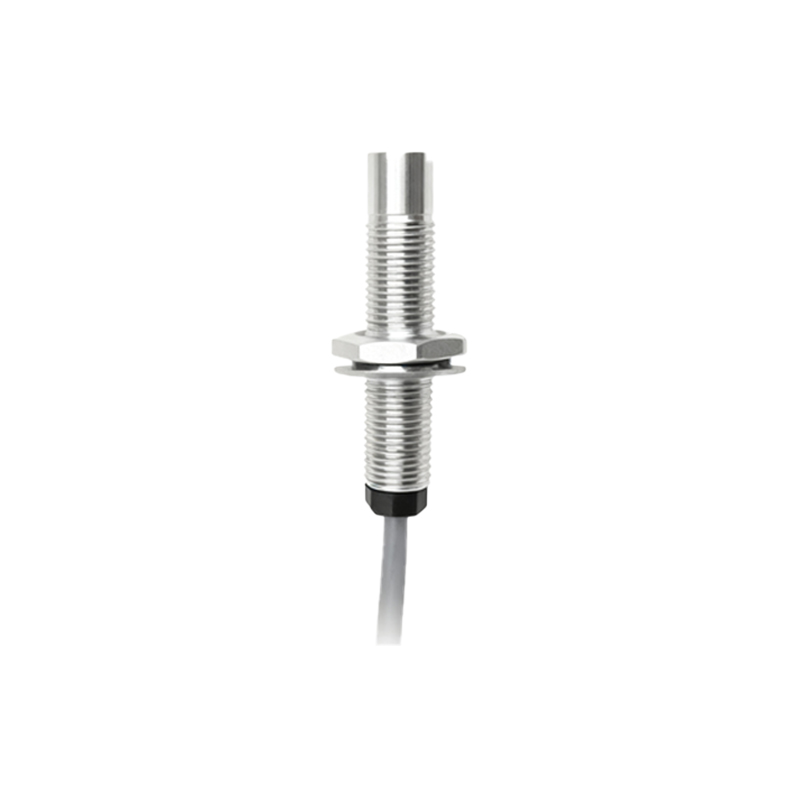
The role of proximity sensors extends into convenience and vehicle preservation. Modern hands-free power liftgate systems utilize sensors, often capacitive or motion-based, to detect a foot gesture under the rear bumper. This allows users to open the trunk effortlessly when their hands are full. Similarly, sensors contribute to anti-pinch features in power windows and sunroofs, immediately reversing the direction of movement if an obstruction is detected, thereby preventing injury or damage.
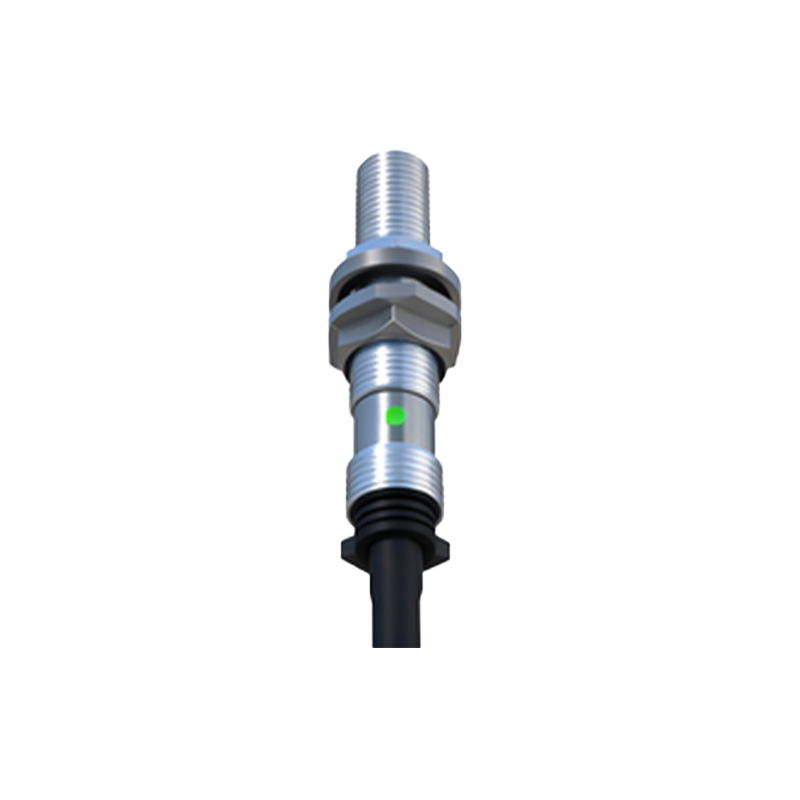
From an engineering perspective, the reliability and accuracy of these sensors are paramount. They must operate flawlessly under diverse and harsh environmental conditions—extreme temperatures, rain, snow, dirt, and electromagnetic interference. Manufacturers employ rigorous testing and robust sealing (often IP6K9K rated for dust and water ingress) to ensure durability. Sensor fusion, the practice of combining data from multiple sensor types (ultrasonic, radar, LiDAR, cameras), is a key trend. This approach compensates for the limitations of any single technology, creating a more comprehensive and reliable perception of the vehicle's environment. For instance, while ultrasonic sensors excel at short-range, low-speed object detection, radar performs better at longer ranges and in poor weather conditions.
Looking ahead, the importance of proximity sensors will only amplify with the advent of higher levels of vehicle automation. For semi-autonomous and fully autonomous driving, a 360-degree, high-fidelity perception of the immediate surroundings is non-negotiable. Proximity sensors, as part of a dense sensor network, will provide the essential low-level data for path planning, obstacle avoidance, and navigating complex urban environments. Their evolution will focus on increased resolution, longer detection ranges, faster processing speeds, and further cost reduction for mass adoption.
In conclusion, automotive proximity sensors are far more than simple parking aids. They are silent guardians that significantly elevate active safety, prevent costly damage, and add layers of convenience to the driving experience. As vehicles continue their trajectory toward greater intelligence and autonomy, these unassuming components will remain critical enablers, ensuring that cars are not only smarter but also fundamentally safer for occupants, pedestrians, and other road users alike. Their continuous development reflects the automotive industry's unwavering commitment to innovation centered on safety and human-centric design.