In the realm of industrial automation and machinery control, sensors are fundamental components that dictate system performance and reliability. Among these, speed sensors and proximity sensors are widely utilized, each serving distinct purposes. A common query that arises in engineering circles is whether a speed sensor can be modified or repurposed to function as a proximity sensor. This article delves into the technical feasibility, practical considerations, and inherent limitations of such a modification, providing a clear perspective for professionals in the electrical and automation industries.
Speed sensors, often based on technologies such as Hall effect, inductive, or optical principles, are designed to detect rotational or linear motion and output signals corresponding to velocity or frequency. Their primary function is to measure the rate of movement, typically providing analog or digital pulses that a control system interprets as speed. For instance, a Hall effect speed sensor generates a voltage pulse when a magnetic target passes by, enabling precise RPM calculations in motors or shafts. These sensors are calibrated for dynamic motion detection and often require specific target geometries and consistent operational speeds to maintain accuracy.
Proximity sensors, on the other hand, are engineered to detect the presence or absence of an object within a defined range without physical contact. Common types include inductive, capacitive, and ultrasonic proximity sensors. Inductive proximity sensors, for example, generate an electromagnetic field and trigger when a metallic object disrupts it, making them ideal for position sensing, object counting, or limit switching. Their output is typically a simple on/off signal, indicating whether an object is within the detection zone, irrespective of speed.
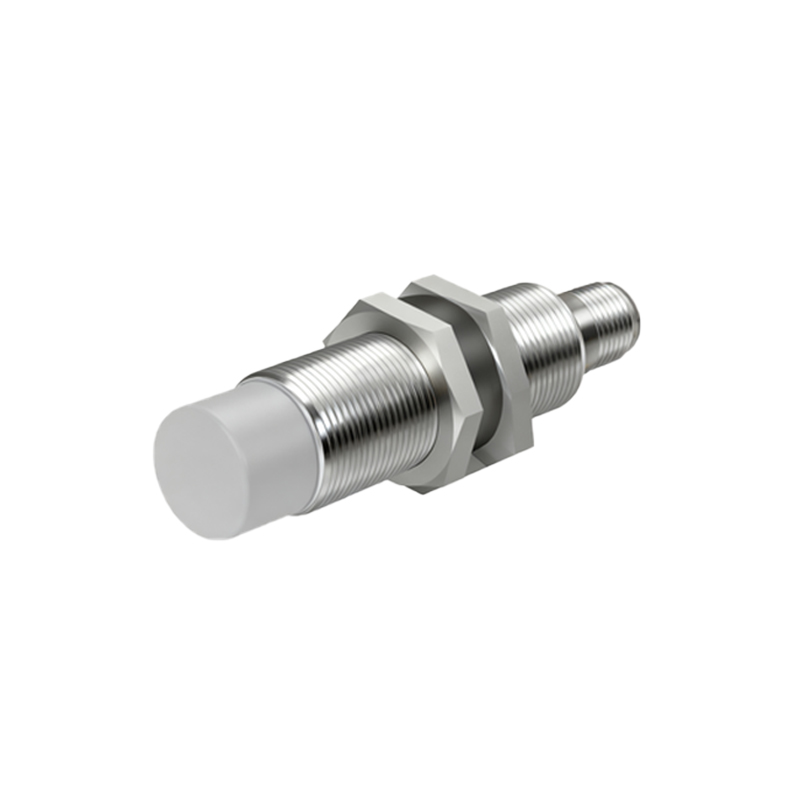
The core question of modification hinges on the fundamental differences in design and operation. While both sensor categories may share similar underlying technologies—such as inductive sensing—their internal circuitry, signal processing, and calibration are tailored to specific applications. A speed sensor's electronics are optimized to process frequency-based signals and filter noise related to speed variations. In contrast, a proximity sensor's circuitry focuses on detecting amplitude changes in the sensing field to determine presence, often incorporating hysteresis to prevent false triggering.
Technically, modifying a speed sensor to act as a proximity sensor is not straightforward. One might consider altering the sensor's output stage or reprogramming its signal processor if it is a smart sensor with configurable firmware. For instance, some advanced Hall effect sensors with digital interfaces could potentially be reconfigured via software to ignore frequency and respond solely to the presence of a magnetic target, effectively mimicking a proximity switch. However, this is highly dependent on the sensor's design and manufacturer specifications. Most conventional speed sensors lack such flexibility, as their hardware is dedicated to motion detection. Attempting hardware modifications, such as adjusting gain or threshold levels, could lead to unreliable performance, reduced sensitivity, or even sensor damage.
Practical challenges also abound. Speed sensors often require moving targets to operate correctly; a stationary object might not generate a detectable signal. Proximity sensors, however, are designed for static or slow-moving objects. Additionally, the detection range and response time differ significantly. A speed sensor may have a narrow air gap requirement and faster response for high-speed counting, while a proximity sensor offers broader ranges and stable detection for varied applications. Environmental factors like temperature, vibration, and electromagnetic interference further complicate modifications, as each sensor type is tested and rated for specific conditions.
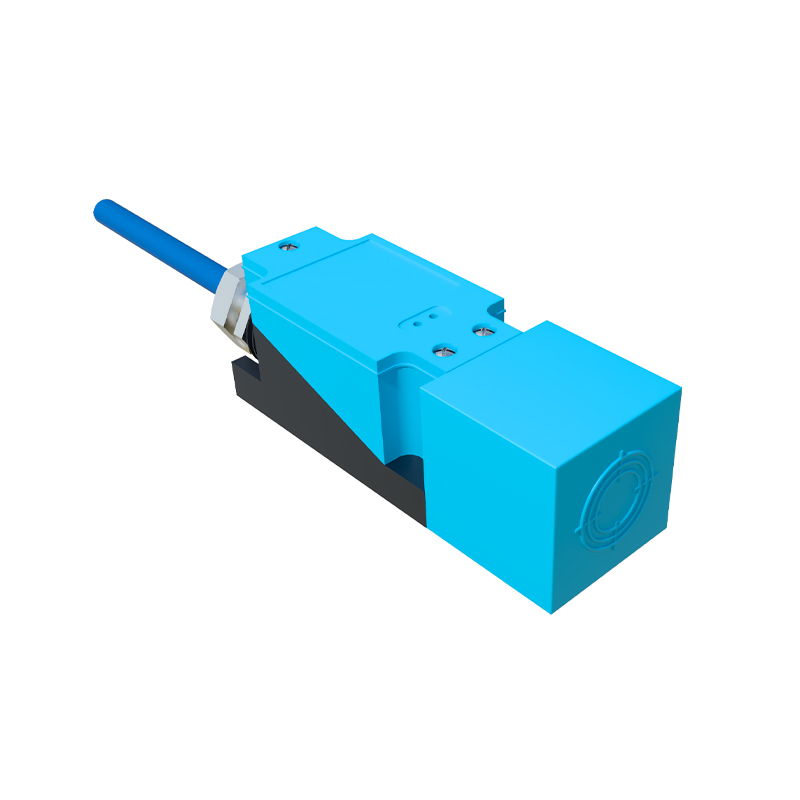
From an engineering standpoint, it is generally more efficient and reliable to select the appropriate sensor for the intended task rather than attempting modifications. The cost of redesigning, testing, and validating a modified sensor often outweighs the expense of purchasing a dedicated proximity sensor. Moreover, using a sensor outside its designed parameters can compromise system safety and accuracy, leading to downtime or failures in critical applications.
In conclusion, while theoretical possibilities exist for converting certain advanced speed sensors into proximity detectors through software or circuit adjustments, such modifications are impractical for most standard units. The inherent design distinctions—from sensing principles to output characteristics—make dedicated sensors the preferred choice. Engineers should prioritize selecting sensors based on application requirements, ensuring optimal performance and adherence to industry standards. For those exploring sensor integration or customization, consulting manufacturer datasheets and engaging with technical support is advisable to avoid operational risks.