In the realm of computer peripherals, the humble mouse scroll wheel has undergone a quiet revolution. While the optical mouse sensor itself has been the subject of much engineering focus, the scroll wheel's transition from mechanical encoders to advanced laser sensor-based systems represents a significant leap in precision, durability, and user experience. This evolution is driven by the relentless pursuit of reliability and performance in both consumer and professional-grade input devices.
Traditionally, scroll wheels relied on mechanical rotary encoders. These components functioned by physically interrupting a light beam (typically from an LED) between a transmitter and receiver as a notched wheel turned. Each interruption registered as a "click" or a discrete step of scrolling. While functional, this method had inherent limitations. Mechanical wear over time led to "scroll jitter" or erratic behavior, where the wheel would register movement in the opposite direction or skip steps. Dust and debris could easily interfere with the optical path, causing failures. Furthermore, the tactile "click" was a byproduct of the mechanical detent mechanism, which could feel imprecise or become mushy with extensive use.
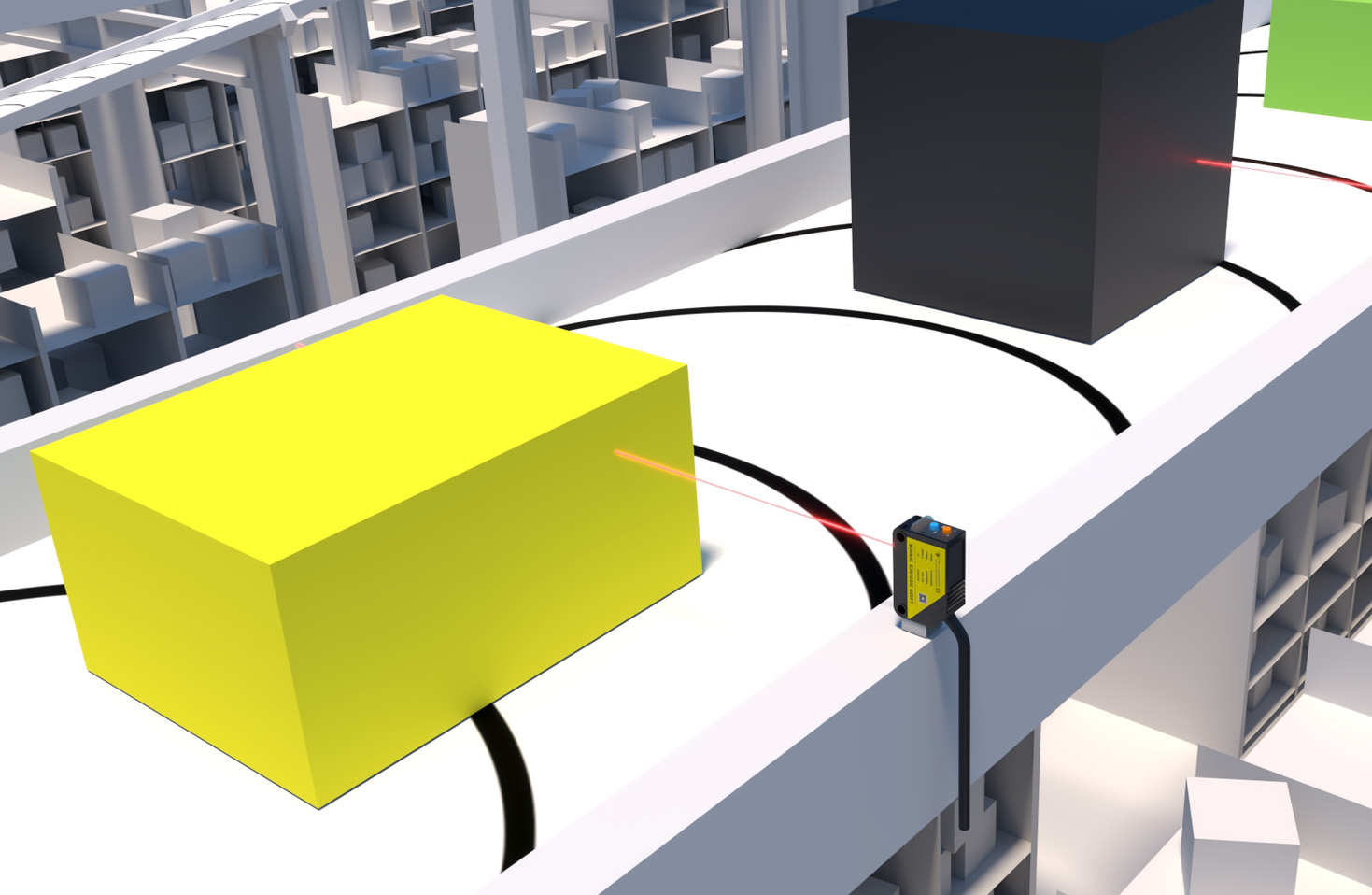
The introduction of laser-based sensor technology for scroll wheels marked a paradigm shift. Instead of detecting interruptions in a beam, these systems employ a miniature laser diode to illuminate the surface of a specially engineered code wheel. This wheel is not notched but features a high-resolution pattern of alternating reflective and non-reflective segments. A complementary photodetector array then reads the reflected laser light as the wheel rotates. The core principle is similar to that of a modern laser mouse sensor tracking a surface, but miniaturized and optimized for rotational measurement.
The advantages of this laser sensor approach are multifaceted. First and foremost is exceptional precision. The high-resolution pattern on the code wheel allows for the detection of minute angular displacements, enabling smooth, high-resolution scrolling that can be scaled in software. This is crucial for professional applications like video editing, CAD work, or navigating complex data sets, where fine control is paramount. Secondly, durability is vastly improved. With no physical contact required between the sensor and the code wheel (an "optical" or "contactless" design), there is no mechanical wear on the sensing components. The system is also highly resistant to contamination from dust, skin oils, or other particulates, as the laser can penetrate minor obstructions and the sealed design protects the internal optics.
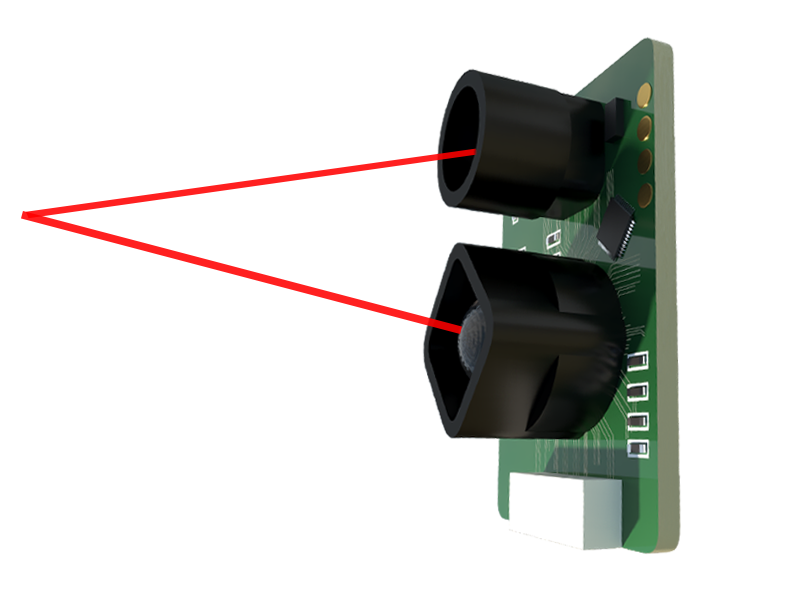
A key engineering challenge in implementing laser scroll sensors is managing power consumption within the constraints of a wireless device. Modern solutions utilize highly efficient laser diodes and low-power processing ASICs (Application-Specific Integrated Circuits) that only activate the sensor when motion is initially detected, entering a sleep state during inactivity. Another consideration is the design of the code wheel pattern and the sensor's firmware algorithms to eliminate any chance of erroneous reading, ensuring that every finger movement is translated accurately into on-screen motion.
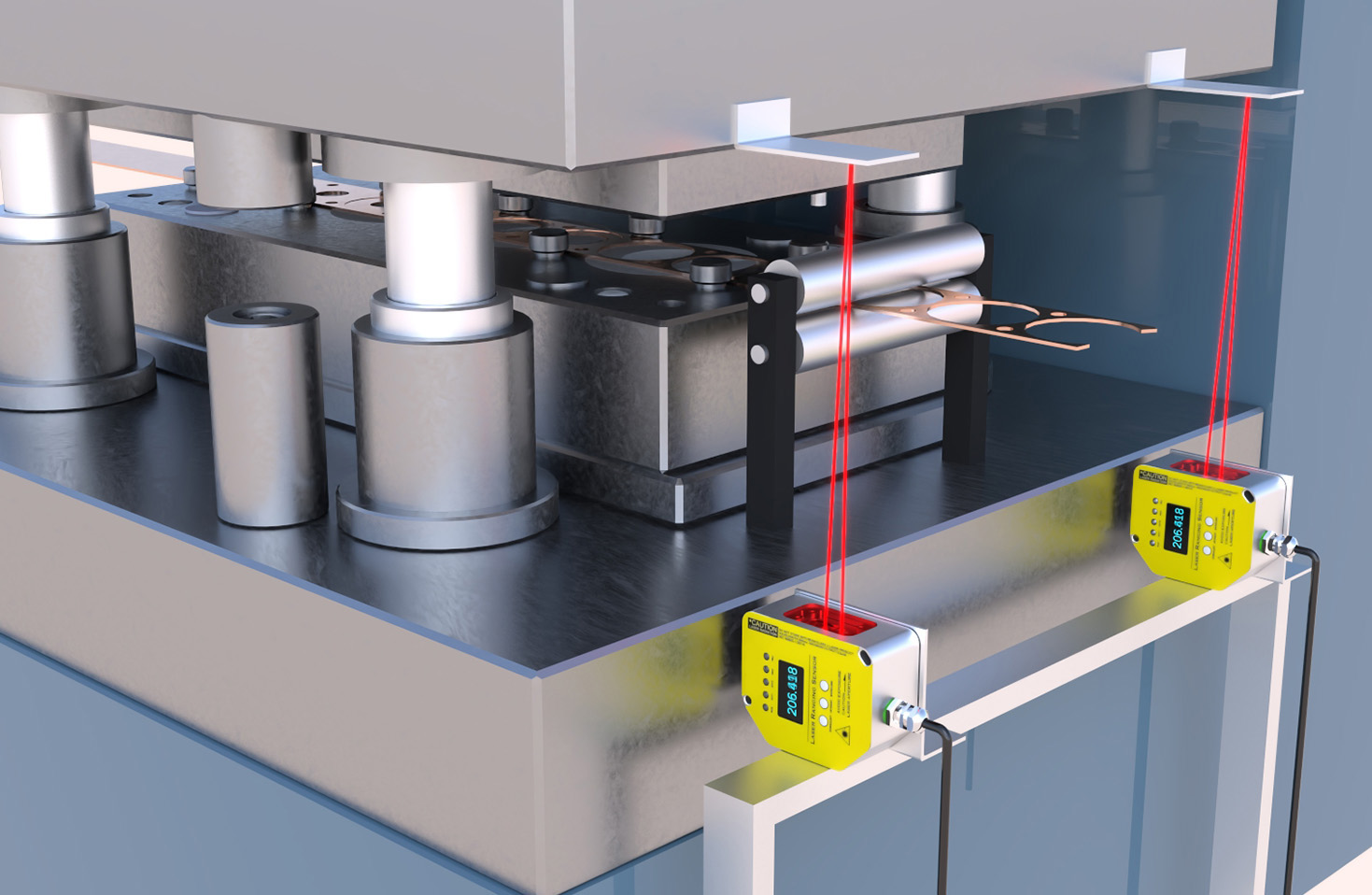
The user experience benefits are tangible. The scrolling action can be engineered to be perfectly smooth or to provide programmable tactile feedback through electromagnetic or piezoelectric actuators, which are separate from the sensing mechanism. This allows for a consistent, crisp feel throughout the product's lifespan, unlike degrading mechanical detents. Furthermore, the precision of the laser sensor enables advanced features like free-spinning (inertial) scrolling modes, where a quick flick of the wheel sends a document or webpage flying, with deceleration controlled by software based on the high-fidelity velocity data provided by the sensor.
Looking forward, the integration of laser scroll sensors is becoming standard in mid-to-high-tier mice. The next frontier involves further sensor miniaturization and the integration of more intelligence into the scroll module itself. We can anticipate sensors that not only measure rotation but also detect lateral clicks (left/right tilt) with the same contactless precision, or even sense the amount of pressure applied to the wheel for additional input dimensions. The goal remains unchanged: to create a seamless, reliable, and highly responsive interface between the user's intent and the digital world.
In conclusion, the adoption of laser sensor technology for mouse scroll wheels is a definitive engineering upgrade. It addresses the longevity and accuracy shortcomings of mechanical encoders, providing a robust, high-performance solution that meets the demands of today's power users and professionals. This component, though small, exemplifies how focused innovation in sensor technology continues to refine and enhance our most fundamental interactions with computers.