In modern industrial automation systems, the integration of proximity switch sensors with electric motor control represents a critical advancement in operational efficiency, safety, and precision. Proximity sensors, known for their non-contact detection capabilities, are extensively utilized to monitor the position, speed, and direction of motors, thereby enabling sophisticated control mechanisms without physical interference. These sensors, including inductive, capacitive, and magnetic types, detect the presence or absence of metallic or non-metallic objects within a specified range, triggering control signals that govern motor functions.
The application of proximity switches in motor control begins with their strategic placement near moving components, such as motor shafts, conveyor belts, or robotic arms. When a target object, like a gear tooth or a rotating disc, enters the sensor's detection field, it generates an electrical signal. This signal is transmitted to a programmable logic controller (PLC) or a motor drive unit, which processes the input to execute commands such as starting, stopping, reversing, or adjusting the motor's speed. For instance, in a conveyor system, proximity sensors can detect the position of items on the belt, ensuring motors activate or deactivate at precise intervals to optimize material flow and prevent jams.
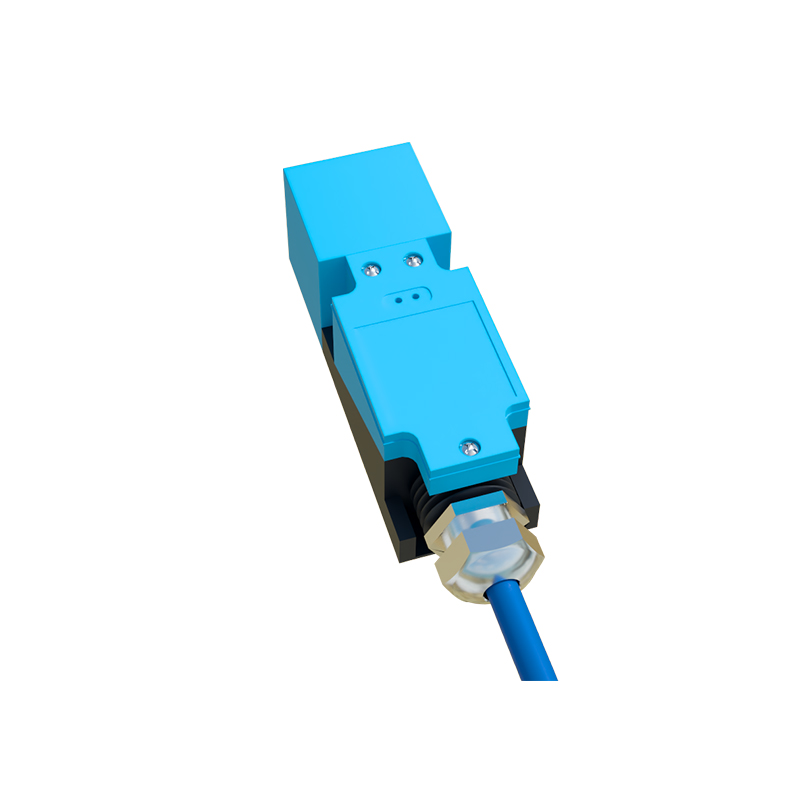
One of the key benefits of using proximity sensors in motor control is enhanced safety. By providing real-time feedback on machine states, these sensors help prevent accidents caused by unintended motor operations. In emergency scenarios, they can instantly halt motors if an obstruction is detected, protecting both equipment and personnel. Additionally, proximity switches contribute to energy efficiency by enabling motors to run only when necessary, reducing power consumption and minimizing wear and tear. This leads to lower maintenance costs and extended motor lifespan, which are crucial factors in industrial settings where downtime can be costly.
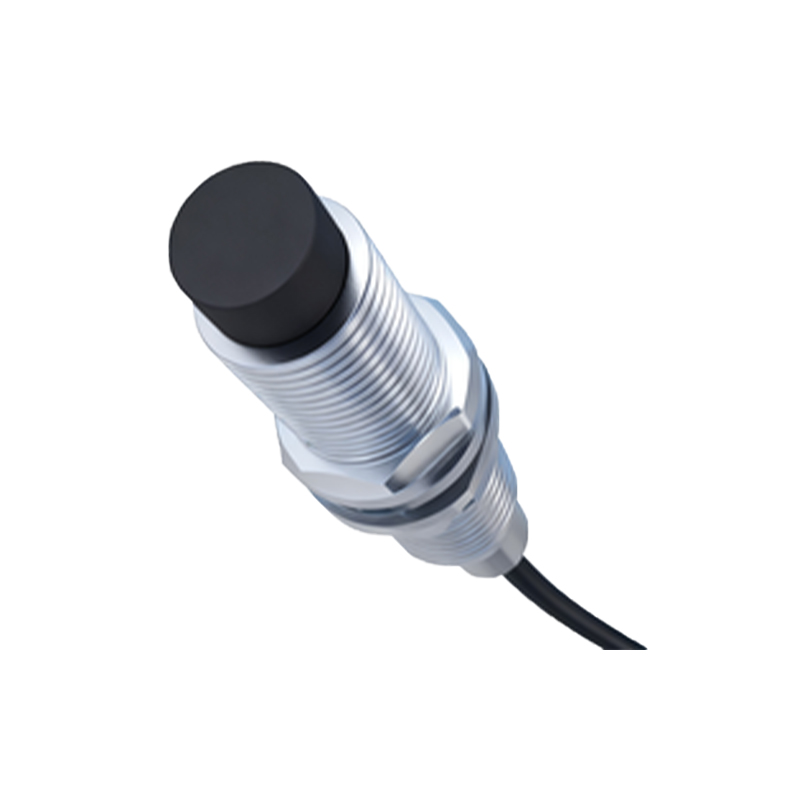
From a technical perspective, selecting the right proximity sensor for motor control involves considering factors such as detection range, environmental conditions, and material compatibility. Inductive sensors are ideal for metallic targets in harsh environments, while capacitive sensors suit non-metallic materials and can detect through certain barriers. Magnetic sensors, often used in rotary encoders, provide high accuracy for speed and position monitoring in motors. Proper installation and calibration are essential to avoid false triggers and ensure reliable performance. For example, sensors must be shielded from electromagnetic interference generated by motors, and their sensing distances should be adjusted to account for temperature variations or vibration.
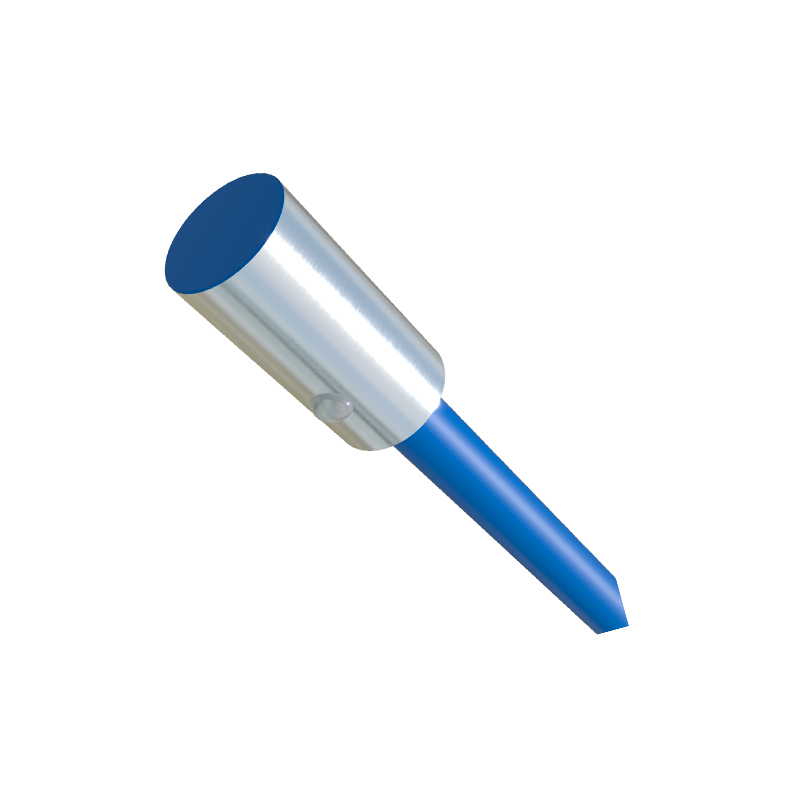
In practice, proximity switch sensors are integral to various motor-driven applications. In automotive manufacturing, they control robotic arms that assemble parts, with sensors ensuring precise motor movements for welding or painting. In packaging machinery, motors regulated by proximity sensors fill and seal containers at high speeds, maintaining consistency and reducing waste. Moreover, in HVAC systems, these sensors monitor fan motors to adjust airflow based on occupancy, improving energy management. The adaptability of proximity sensors allows for customization in diverse industries, from food processing to pharmaceuticals, where hygiene and accuracy are paramount.
Looking ahead, advancements in sensor technology, such as the development of smart proximity switches with IoT connectivity, are poised to revolutionize motor control further. These sensors can transmit data to cloud-based platforms for predictive maintenance, alerting operators to potential motor failures before they occur. By integrating with artificial intelligence algorithms, they enable autonomous adjustments in motor operations, optimizing performance in real-time. As industries embrace Industry 4.0, the synergy between proximity sensors and motor control will continue to drive innovation, making systems more responsive, efficient, and intelligent.
Overall, the use of proximity switch sensors in controlling electric motors is a cornerstone of industrial automation. By offering non-contact detection, real-time feedback, and precise control, these sensors enhance safety, efficiency, and reliability in motor-driven processes. Engineers and technicians must stay informed about emerging trends and best practices to leverage their full potential, ensuring that automation systems meet the evolving demands of modern production environments.