Magnetic proximity sensors, often referred to as reed switches or Hall-effect sensors in their core forms, are fundamental components in modern industrial automation and control systems. Their primary function is to detect the presence or absence of a magnetic field, typically generated by a permanent magnet attached to a moving target, without any physical contact. This non-contact operation is their defining advantage, leading to high reliability, long operational life, and minimal maintenance requirements in harsh environments filled with dust, oil, or moisture where mechanical switches would fail.
The operating principle hinges on the interaction between a sensor and a magnetic field. Two dominant technologies prevail: Reed Switches and Solid-State Sensors (primarily Hall-effect and magnetoresistive types). A reed switch consists of two ferromagnetic reed contacts sealed within a glass tube filled with an inert gas. When an external magnetic field of sufficient strength is applied, the reeds magnetize, attract each other, and make contact, closing the circuit. When the magnet moves away, the reeds' spring force separates them, opening the circuit. While simple and cost-effective, reed switches have limitations in switching speed, shock/vibration resistance, and physical size.
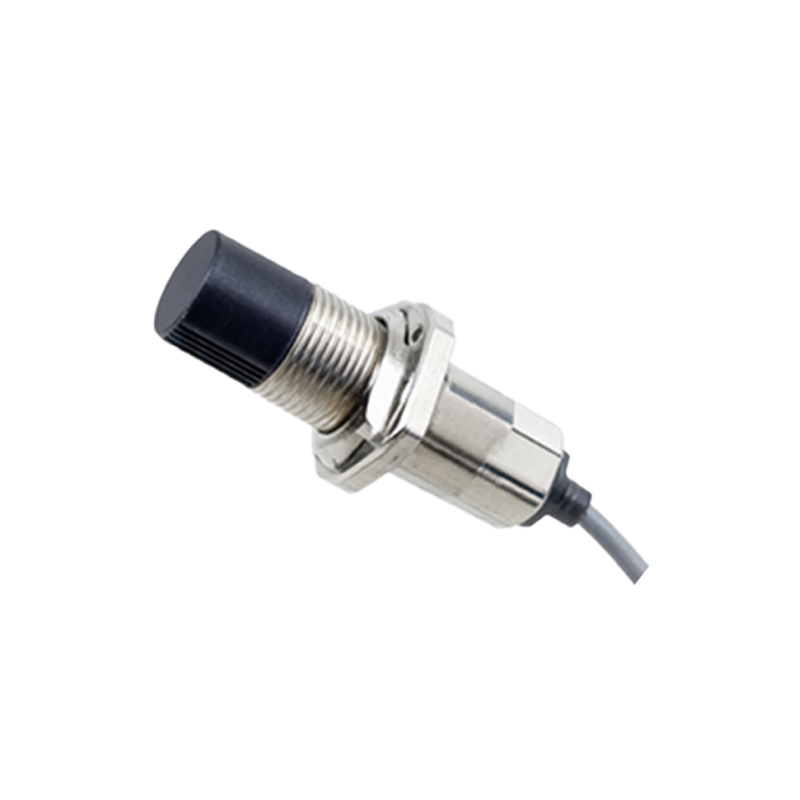
Solid-state magnetic sensors, particularly those based on the Hall effect, have become the industry standard for demanding applications. A Hall-effect sensor generates a voltage difference (the Hall voltage) across an electrical conductor when a magnetic field is applied perpendicular to the current flow in the conductor. Integrated circuits then condition this tiny voltage into a clean, digital ON/OFF signal or a proportional analog output. These sensors offer superior performance: faster response times (often in microseconds), higher switching frequencies, excellent resistance to mechanical shock, and the ability to detect both the presence and strength of a magnetic field. More advanced versions can also discern the magnetic pole (North or South).
The applications for magnetic proximity sensors are vast and critical across numerous sectors. In factory automation, they are ubiquitous for position sensing—detecting the open/closed status of doors, hatches, and guards on machinery for safety interlocking. They provide end-of-travel detection for cylinders and linear actuators, and serve as rotational speed sensors by counting gear teeth or detecting magnets on a rotating shaft. In the automotive industry, they are used in anti-lock braking systems (ABS) to measure wheel speed, in transmission systems, and for detecting seat belt latches. Material handling, packaging machinery, and robotics all rely heavily on these sensors for precise, repeatable position feedback.
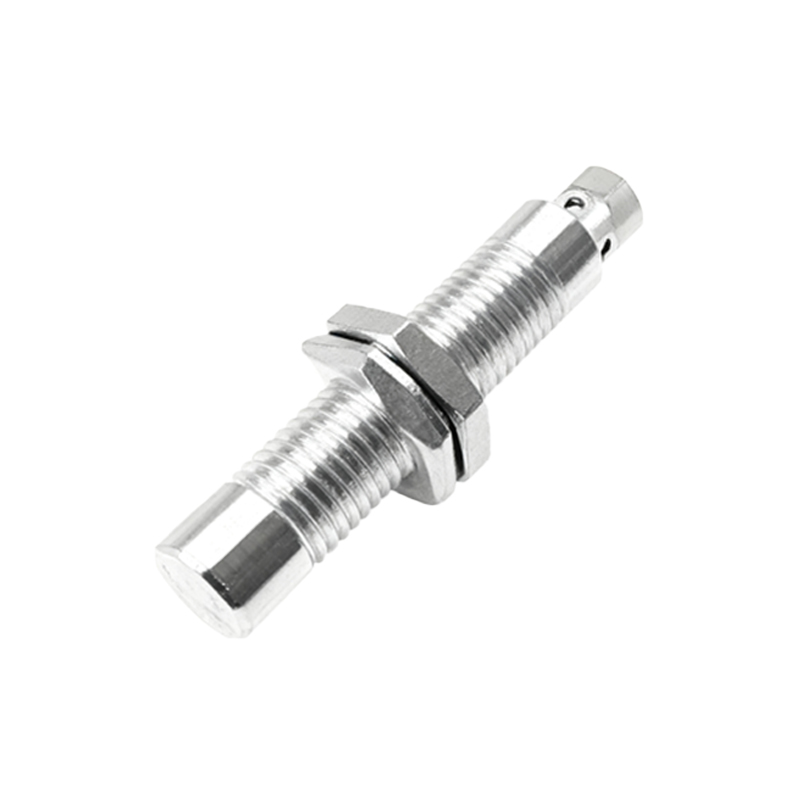
Selecting the right magnetic proximity sensor requires careful consideration of several key parameters. First is the Sensing Distance: the maximum distance at which the sensor can reliably detect the standard target magnet. This is often a conservative specification. Switching Frequency defines how quickly the sensor can toggle its output state, crucial for high-speed counting or RPM measurement. The Electrical Output type must match the control system—common options include NPN (sinking), PNP (sourcing), or Namur (intrinsically safe for hazardous areas), in both normally open (NO) and normally closed (NC) configurations. Housing Material (e.g., stainless steel, brass, or PBT plastic) determines environmental robustness against chemicals, temperature extremes, and physical impact. Protection Rating (IP or NEMA) indicates resilience against dust and water ingress. Finally, the Magnetic Field Orientation is vital; some sensors detect the magnetic field axially (from the end), while others detect it laterally (from the side), dictating how the magnet must be mounted relative to the sensor face.
Installation and commissioning are generally straightforward but demand attention to detail. The sensor must be securely mounted to prevent movement from vibration. The alignment between the sensor's active face and the target magnet is critical; even small angular misalignments can significantly reduce the effective sensing distance. Engineers must also consider the presence of stray magnetic fields from motors, transformers, or welding equipment, which can cause false triggering. Shielding the sensor or increasing the switching hysteresis (the difference between the switch-on and switch-off points) can mitigate this.
In conclusion, magnetic proximity sensors are indispensable, robust workhorses in industrial sensing. The evolution from reed-based to solid-state Hall-effect technology has expanded their capabilities, allowing for smarter, faster, and more reliable integration into complex control networks. A thorough understanding of their operating principles, key selection criteria, and application nuances enables engineers and technicians to deploy these sensors effectively, ensuring optimal performance, enhanced safety, and increased uptime in automated systems worldwide. Their silent, non-contact detection remains a cornerstone of efficient and reliable industrial operation.