In the rapidly evolving landscape of industrial automation, the demand for high-precision, reliable, and robust sensing solutions has never been greater. Among the array of advanced technologies, shovel type laser sensors have emerged as a pivotal tool, transforming how industries measure, inspect, and control processes. These sensors, characterized by their unique shovel-shaped housing that protects the optical components, are designed to deliver exceptional performance in challenging environments where dust, debris, and mechanical interference are common.
The core operating principle of a shovel type laser sensor is based on laser triangulation. A laser diode emits a focused beam of light onto the target surface. The reflected light is then captured by a high-resolution CMOS or CCD receiver positioned at a specific angle within the sensor housing. By calculating the displacement of the reflected light spot on the receiver, the sensor can determine the exact distance to the target with micron-level accuracy. This non-contact measurement method is ideal for applications involving delicate, hot, or fast-moving objects where physical contact is impractical or damaging.
One of the standout features of shovel type laser sensors is their rugged design. The shovel-like profile is not merely aesthetic; it serves a critical functional purpose. It acts as a physical barrier, shielding the lens and emitter from direct impact, splashes, and accumulations of particulate matter common in settings like metalworking, automotive assembly, and packaging lines. Many models boast IP67 or higher ingress protection ratings, ensuring reliable operation even when exposed to coolants, oils, or frequent washdowns. This durability translates directly into reduced downtime and lower maintenance costs, a key consideration for continuous production environments.
The application spectrum for these sensors is remarkably broad. In automotive manufacturing, they are indispensable for tasks such as gap and flush measurement on car body panels, ensuring precise alignment of doors, hoods, and trunks. In the electronics industry, they verify the coplanarity of integrated circuit (IC) pins or the thickness of printed circuit boards (PCBs). Within logistics and packaging, shovel sensors accurately measure box dimensions for volume calculation and verify fill levels in containers. Furthermore, their high-speed response capability makes them suitable for real-time quality control on high-speed production lines, identifying defects like dents, warps, or thickness variations in milliseconds.
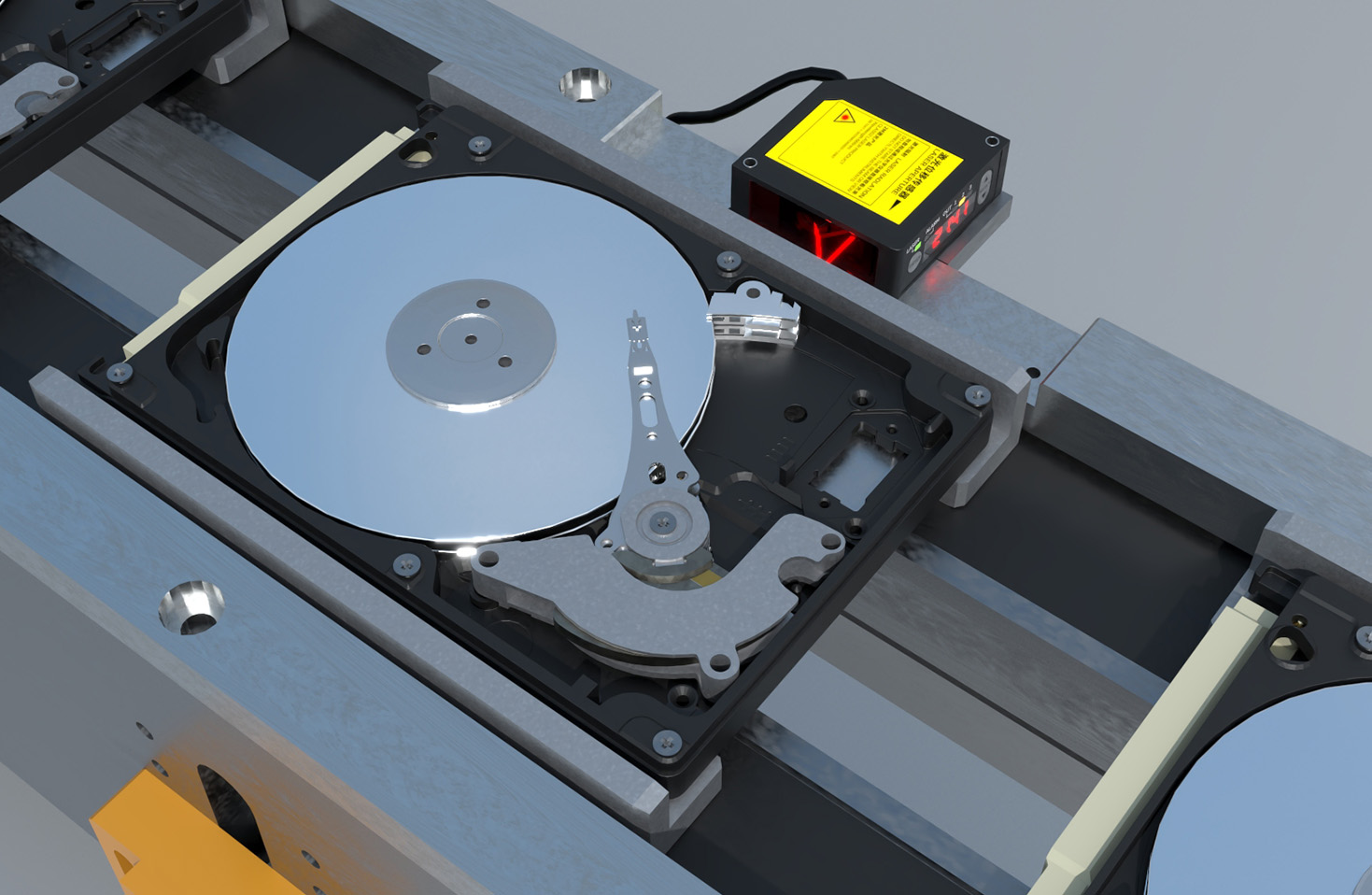
When selecting a shovel type laser sensor, engineers must consider several technical parameters. Measurement range, spot size, resolution, and linearity are fundamental. The choice between a visible red laser (easier for alignment) and a Class 1 infrared laser (for reduced ambient light interference) depends on the application. Output interfaces are also crucial, with analog (4-20mA, 0-10V), digital (RS-485, Ethernet/IP, PROFINET), and switch outputs available to seamlessly integrate with PLCs (Programmable Logic Controllers) and SCADA (Supervisory Control and Data Acquisition) systems. Advanced models offer programmable logic, multi-point measurement, and teach-in functions via software, providing unparalleled flexibility.
Integration and calibration are straightforward but vital steps. Proper mounting, alignment perpendicular to the target surface, and compensation for the target's material and color (which affect reflectivity) are essential for optimal performance. Many modern sensors come with auto-calibration features and intelligent algorithms to compensate for varying surface conditions.
Looking ahead, the convergence of shovel type laser sensors with Industry 4.0 trends is accelerating. Embedded IO-Link functionality is becoming standard, enabling detailed parameter setting, real-time diagnostics, and predictive maintenance data exchange. This digital transformation allows sensors to become intelligent nodes within a networked factory, contributing to data-driven decision-making and overall equipment effectiveness (OEE) optimization.
In conclusion, shovel type laser sensors represent a mature yet continuously advancing technology. Their blend of precision, robustness, and versatility addresses the core measurement challenges of modern industry. By enabling non-contact, high-accuracy inspection and control, they are not just components but enablers of higher quality, efficiency, and automation intelligence. As industrial processes grow more complex, the role of these reliable optical workhorses will only become more central, solidifying their status as a cornerstone of precision engineering.