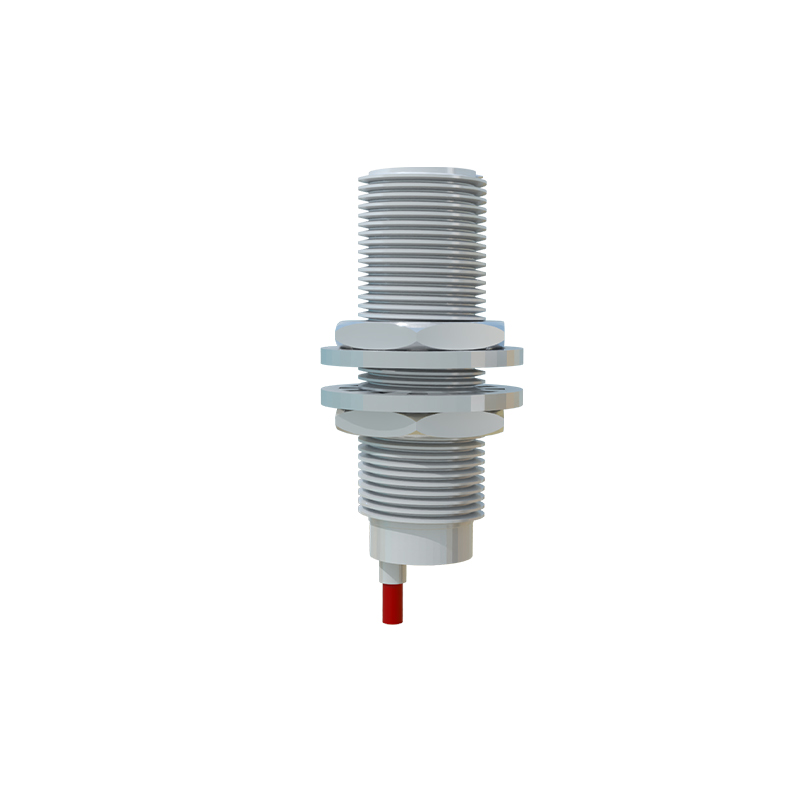
In the intricate world of industrial automation and precision electronics, the significance of a component is often inversely proportional to its size. Among these critical yet understated elements is the micro proximity sensor bracket. This specialized mounting apparatus is far more than a simple piece of metal or plastic; it is a foundational component that ensures the reliability, accuracy, and longevity of non-contact sensing systems. As industries push for greater miniaturization and higher operational speeds, the design and implementation of these brackets have become a sophisticated engineering discipline in its own right.
The primary function of a micro proximity sensor bracket is to provide a rigid, stable, and precisely positioned platform for a proximity sensor. Proximity sensors, which detect the presence or absence of an object without physical contact, are sensitive to their alignment and distance from the target. A poorly designed or manufactured bracket can introduce vibration, misalignment, or thermal drift, leading to false readings, missed detections, and ultimately, system failure. Therefore, the bracket must be engineered to maintain the sensor's optimal sensing range and orientation under operational stresses such as vibration, shock, and temperature fluctuations.
Material selection is the first critical decision in bracket design. For most industrial applications, aluminum alloys are preferred due to their excellent strength-to-weight ratio, good machinability, and natural corrosion resistance. Aluminum also offers decent thermal conductivity, helping to dissipate any heat generated by the sensor or the environment. In environments requiring extreme chemical resistance or where non-magnetic properties are essential, such as in semiconductor manufacturing or medical imaging, stainless steel or engineered plastics like PEEK (Polyether Ether Ketone) may be employed. Plastics can also offer advantages in electrical insulation and dampening high-frequency vibrations.
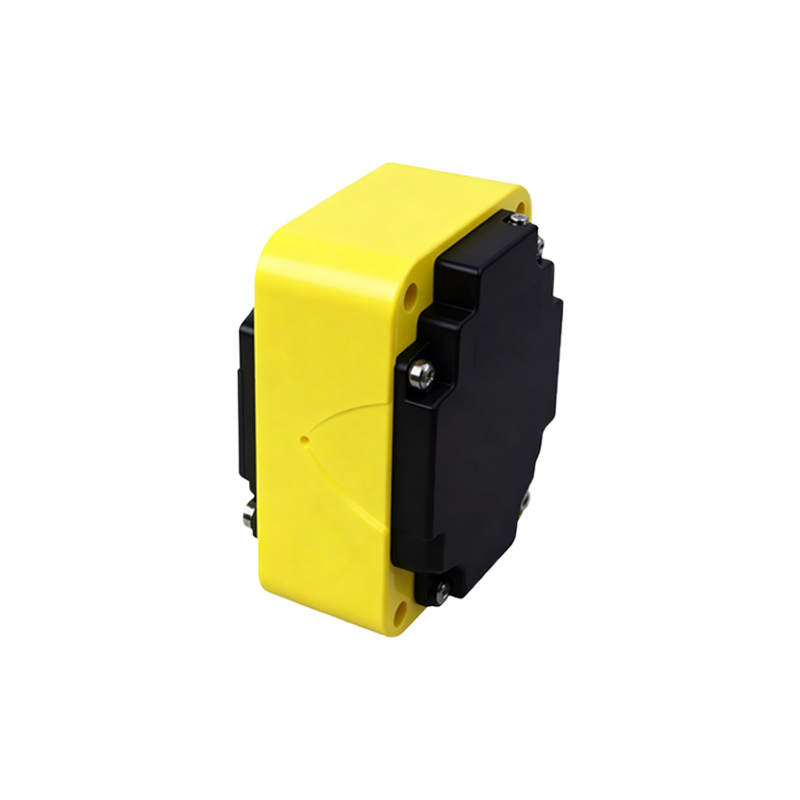
The design geometry of a micro bracket is dictated by the sensor's form factor, the mounting location's constraints, and the required degrees of adjustment. A well-designed bracket often incorporates features for fine-tuning. These may include slotted holes for linear adjustment,弧形 slots for angular adjustment, or even micrometer-style threaded adjusters for precision calibration. This adjustability is crucial during installation and maintenance to achieve the exact sensing gap specified by the sensor manufacturer. Furthermore, the design must consider cable management, providing secure routing for the sensor's wiring to prevent strain on electrical connections and protect cables from abrasion.
The manufacturing process directly impacts the bracket's performance and cost. For high-volume production, die-casting or investment casting can produce complex shapes economically. However, for prototyping or low-to-medium volume runs where precision is paramount, CNC (Computer Numerical Control) machining is the standard. CNC machining from a solid billet of material guarantees exceptional dimensional accuracy, tight tolerances, and excellent surface finish. Advanced techniques like additive manufacturing (3D printing) are also emerging, allowing for the creation of lightweight, topology-optimized brackets with internal structures that would be impossible to achieve with traditional machining, ideal for aerospace or specialized robotic applications.
The applications of micro proximity sensor brackets are vast and cross-disciplinary. In automated assembly lines, they hold sensors that detect the position of components on a conveyor, trigger robotic arms, or verify the closure of a lid. Within the compact confines of a CNC machine tool, a bracket ensures a sensor accurately monitors tool wear or detects the presence of a workpiece. In collaborative robotics (cobots), these brackets enable safety sensors to operate reliably in dynamic, shared human-robot workspaces. The consumer electronics industry relies on them in the manufacture of smartphones and laptops, where sensors are used for position detection in hinges or cover closure sensing.
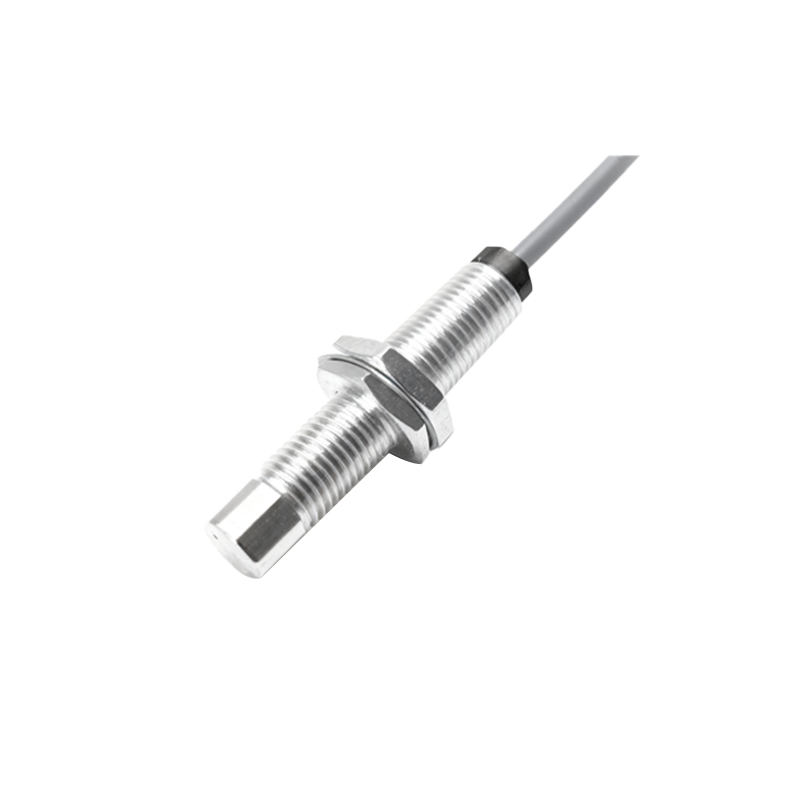
Looking forward, the evolution of micro proximity sensor brackets is intertwined with trends in Industry 4.0 and the Internet of Things (IoT). Future brackets may integrate smart features, such as embedded strain gauges to monitor bracket integrity or RFID tags for asset tracking and lifecycle management. The demand for lighter, stronger, and more complex designs will continue to drive innovation in materials science and manufacturing technologies. As sensors themselves become smaller and more sensitive, the brackets that hold them will need to evolve in parallel, offering ever-greater precision and stability.
In conclusion, the micro proximity sensor bracket is a quintessential example of engineering where meticulous attention to detail yields outsized rewards in system performance. Its design—a careful balance of material science, mechanical engineering, and practical application knowledge—is fundamental to the silent, efficient, and reliable operation of countless automated systems that define modern industry. It is a small component that plays a monumental role in enabling precision, safety, and efficiency across the technological landscape.