Magnetic proximity sensors are fundamental components in modern industrial automation and countless electronic devices. Unlike optical or ultrasonic sensors, they detect the presence or absence of a magnetic field, typically generated by a permanent magnet. This operating principle grants them unique advantages in environments plagued by dirt, dust, moisture, or vapors, where other sensor types might fail. Their robustness, reliability, and non-contact nature make them indispensable for position detection, speed monitoring, and end-of-travel sensing.
The core technology behind most magnetic proximity sensors is the Reed Switch or solid-state Hall Effect integrated circuit. A Reed Switch consists of two ferromagnetic, flexible metal reeds sealed within a glass tube filled with an inert gas. When a magnetic field of sufficient strength approaches, the reeds magnetize, attract each other, and make contact, closing the electrical circuit. When the magnet moves away, the reeds' spring force separates them, breaking the circuit. This simple, elegant mechanism allows for millions of reliable switching cycles.
Hall Effect sensors represent a more modern, solid-state approach. They operate based on the Hall Effect, where a voltage difference (the Hall voltage) is generated across an electrical conductor when a magnetic field is applied perpendicular to the current flow. An integrated circuit measures this voltage, processes it, and provides a clean digital output signal (e.g., ON/OFF) or an analog signal proportional to the magnetic field strength. Hall Effect sensors are known for their high switching frequency, precise operation, and ability to withstand significant mechanical shock and vibration.
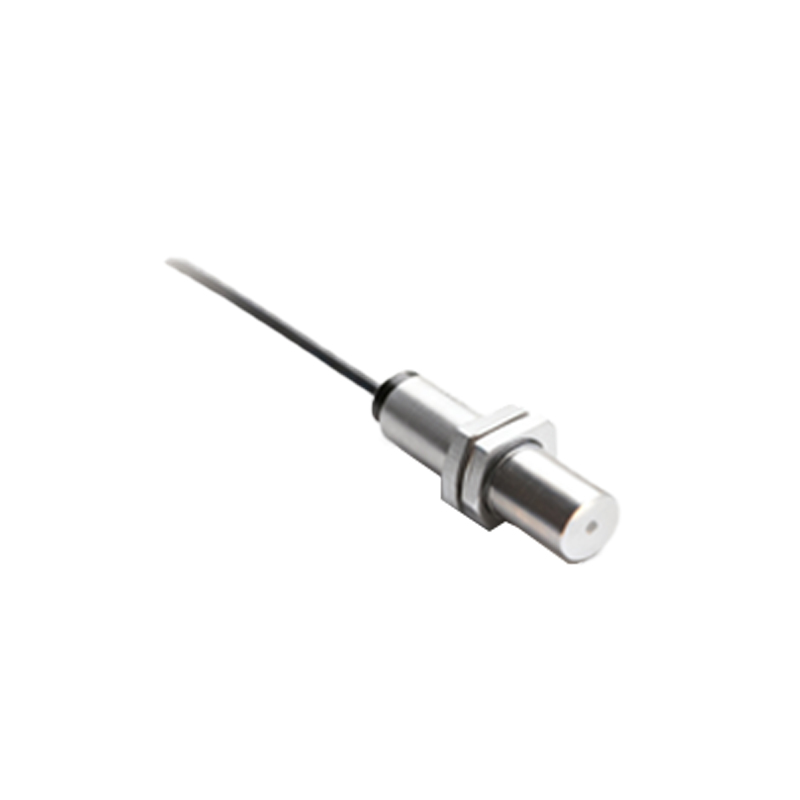
The applications for magnetic proximity sensors are vast and varied. In the automotive industry, they are used for detecting wheel speed in anti-lock braking systems (ABS), sensing gear position in transmissions, and confirming door, hood, or trunk closure. In factory automation, they are the workhorses for detecting cylinder piston position in pneumatic and hydraulic systems, ensuring machine safety gates are closed, and counting rotations on conveyor systems or motors. Consumer appliances like dishwashers and washing machines use them to monitor door latches and drum rotation. Their sealed nature also makes them perfect for use in fluid control, such as detecting the float position in tanks or the valve position in medical equipment.
Selecting the right magnetic proximity sensor requires careful consideration of several key parameters. First is the sensing distance or switching distance, which defines how close the magnet must be to activate the sensor. This is often specified for a standard magnet size. The type of output is crucial: two-wire AC/DC, three-wire NPN (sinking) or PNP (sourcing) transistor outputs, or analog outputs. The electrical specifications, including operating voltage, current consumption, and load current, must match the control system. Environmental ratings are paramount; an Ingress Protection (IP) rating (e.g., IP67) indicates resistance to dust and temporary immersion, while the housing material (often stainless steel, brass, or PBT plastic) must suit the chemical and temperature environment. For Reed switches, the maximum switching frequency is lower than for Hall Effect sensors, which is a critical factor in high-speed counting applications.
Installation and maintenance are generally straightforward. The sensor is mounted rigidly, and a magnet is attached to the moving target. Alignment is critical, especially for sensors with a narrow sensing window. Most failures are due to electrical overload, physical damage, or, in the case of Reed switches, glass breakage from excessive vibration. A significant benefit is that they are largely immune to build-up of non-ferrous materials like paint, plastic shavings, or water film on their sensing face, ensuring long-term stability.
In conclusion, magnetic proximity sensors offer a proven, durable, and cost-effective solution for non-contact detection in challenging conditions. Their simplicity belies their sophistication, enabling precise control and safety in systems ranging from massive industrial robots to everyday household items. Understanding the differences between Reed and Hall Effect technologies, along with a clear assessment of the application requirements, is the key to deploying these sensors successfully for reliable, maintenance-free operation over many years.